

Buy now, pay later feels free at checkout, and the fee is the part that shows up three weeks later when a payment slips by a day.
Splitting a purchase into four painless-looking installments is easy to say yes to, which is exactly the point. The trouble starts when a payment date lands on the wrong side of payday, and a missed installment turns into a fee, or now a mark on your credit file. If the late-fee anxiety is what is pushing you away from buy now, pay later, the good news is that spreading a cost without that trap is very doable. Here are six alternatives that avoid the late-fee traps, and the questions to ask before you finance anything.
Quick Picks
- Cheapest and safest: pay in full with a debit card, or save up first with a short waiting rule.
- If you want to spread it: a 0% intro-APR credit card used with discipline, or a no-late-fee installment plan.
- Structured and regulated: a credit union payday alternative loan, or old-fashioned layaway where you pay before you take the item.
Table of Contents
Why BNPL late fees bite harder now


Buy now, pay later has gone from novelty to default. It has grown roughly 20 percent a year since 2021 and reached an estimated $70 billion in the US in 2025, according to a Federal Reserve Bank of Richmond brief, which also notes the product leans heavily on subprime borrowers. The bigger shift is quieter: the same brief reports that Affirm began furnishing repayment data to the credit bureaus in 2025. A late installment used to be a private slap on the wrist. It is becoming something that can dent your credit score, which raises the cost of every late-fee trap. That is the case for spreading a purchase a different way.
1. Pay in full with a debit card
The plainest alternative is also the strongest: pay the whole amount now, from money you already have. A debit card, or cash, cannot charge you a late fee because there is nothing to be late on. The catch is obvious, you need the funds, and that is the honest question buy now, pay later encourages you to skip. If the purchase is small enough that four installments felt trivial, it is often small enough to absorb in one payment, or to reach with a week of waiting. Our guide to manual cash tracking makes that “can I actually afford this” call easier to answer honestly.
2. A 0% intro-APR credit card, used with discipline
A credit card with a zero-percent introductory purchase offer lets you spread a cost over months without interest, and unlike a chain of installments it gives you one predictable monthly bill. The discipline it demands is real: set autopay for at least the minimum, aim to clear the balance before the intro period ends, and treat it as a fixed plan rather than a spending license. Miss a payment and a card charges its own late fee and can end the promotion, so this suits people who pay reliably, not those looking for wiggle room.
3. A no-late-fee installment plan, used carefully
Not every buy now, pay later product is built the same. Some charge a fee the moment an installment is late, while others charge no late fee at all and instead let interest run on longer plans. If you are set on splitting a purchase, choosing a plan that never charges a late fee removes the specific trap in this article’s title. Read the terms first, because “no late fees” and “no interest” are different promises, and a plan can carry one without the other. Whatever you pick, set autopay so the question never comes up.
4. Layaway

Layaway flips the order of buy now, pay later: you pay in installments first, then take the item once it is paid off. Because you never owe money on something you already have, there is no debt to fall behind on and no late fee in the buy-now sense. Some retailers do charge a service or cancellation fee, so read those terms, but the structure removes the core risk. It is slower and less convenient, and that friction is the feature, since it keeps you from carrying a balance on an impulse.
5. A credit union payday alternative loan
If you need actual borrowed money and want it regulated, a credit union payday alternative loan is worth knowing about. These are small-dollar loans offered by many federal credit unions, with capped fees and interest and a clear repayment schedule, designed as a safer substitute for high-cost credit. You generally need to be a member, and amounts are modest, but the terms are transparent and the structure is built to be repaid rather than to trap you. It is a sober option for a genuine short-term need, not an impulse buy.
6. A short savings buffer and the 30-day rule
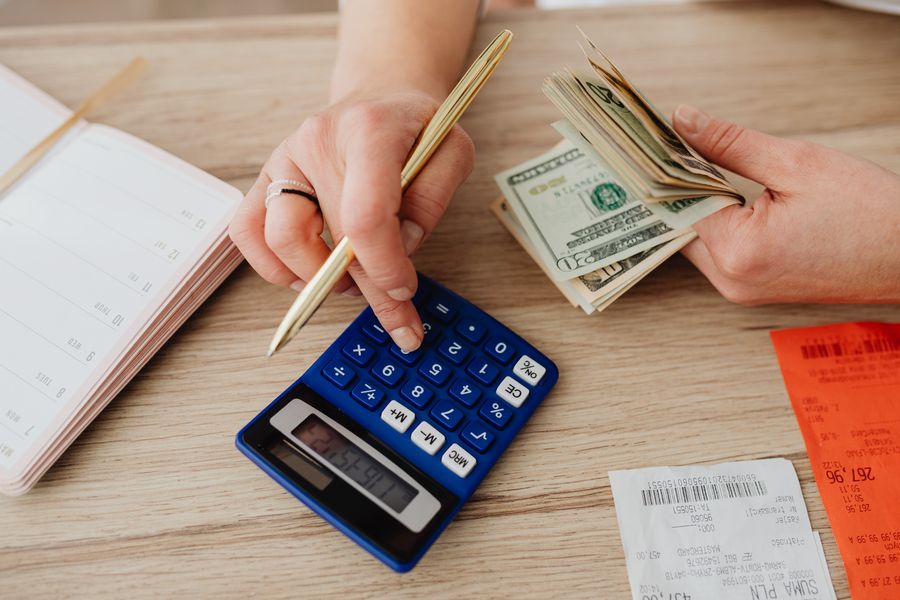
The alternative that removes the trap entirely is to not finance the purchase at all. Keep a small buffer for the things you tend to buy on impulse, and apply a simple 30-day rule to anything non-urgent: write it down, wait a month, and buy it only if you still want it and can pay outright. A surprising share of buy-now-pay-later purchases are wants dressed up as needs by a frictionless checkout. Slowing the decision is free, and it beats any repayment plan. For the bigger picture on how rates and budgets interact, our look at core inflation and household budgets puts the small purchases in context.
What to ask before you finance anything
Whatever route you take, three questions separate a manageable plan from a trap:
- Is there a late fee, and how much? Get the exact number, not a vague reassurance. If it exists, autopay is not optional.
- Is there a grace period, and can I set autopay? A day or two of grace plus automatic payment removes almost all late-fee risk.
- Does this report to the credit bureaus? If missed or even on-time payments are reported, the plan affects your credit, so treat it with the same care as any loan.
This article is general information, not financial advice. Product terms, fees, and credit-reporting practices vary by provider and change over time, and your situation is unique. Confirm the current terms directly with any lender and consider speaking with a qualified financial professional before financing a purchase.
Frequently Asked Questions
What is the best alternative to BNPL to avoid late fees?
Paying in full with a debit card or cash is the safest, because there is no installment to miss and no fee to trigger. If you need to spread the cost, a 0% intro-APR credit card with autopay, or a plan that charges no late fee, avoids the specific trap. The right pick depends on whether you can pay now or genuinely need to borrow.
Do all buy now, pay later apps charge late fees?
No. Fee policies differ by provider and product. Some charge a fee as soon as an installment is late, while others charge no late fee and instead let interest accrue on longer plans. Because “no late fee” and “no interest” are separate promises, read the specific terms and set autopay so a missed date never happens.
Does buy now, pay later affect your credit score?
Increasingly, yes. Providers have started reporting repayment data to the credit bureaus, and the Richmond Fed notes Affirm began doing so in 2025. That means a missed payment can now show up on your credit file, a bigger cost than the fee itself. Assume any plan you take could be reported and manage it like a loan.
Is a 0% credit card better than BNPL?
For a disciplined payer, often yes, because it gives one predictable monthly bill and can span a longer interest-free window. The trade-off is that a card charges its own late fee and can cancel the promotion if you slip, and it requires an approved credit line. It rewards reliability and punishes forgetfulness, so autopay is essential.
What is a credit union payday alternative loan?
It is a small-dollar loan offered by many federal credit unions as a regulated, lower-cost substitute for high-interest borrowing. Fees and interest are capped, the repayment schedule is clear, and it is built to be paid off rather than rolled over. You usually need to be a credit union member, and loan amounts are modest.
The Bottom Line
The late-fee trap in buy now, pay later is avoidable, and the fix is rarely another installment plan. If you can pay now, do, with a debit card or after a short wait. If you must spread the cost, pick a route with no late fee and set autopay, or use a regulated option like a credit union loan. And before you sign anything, ask about the fee, the grace period, and whether it reports to the bureaus. For more consumer money guidance, browse Wayodd’s Finance section.