
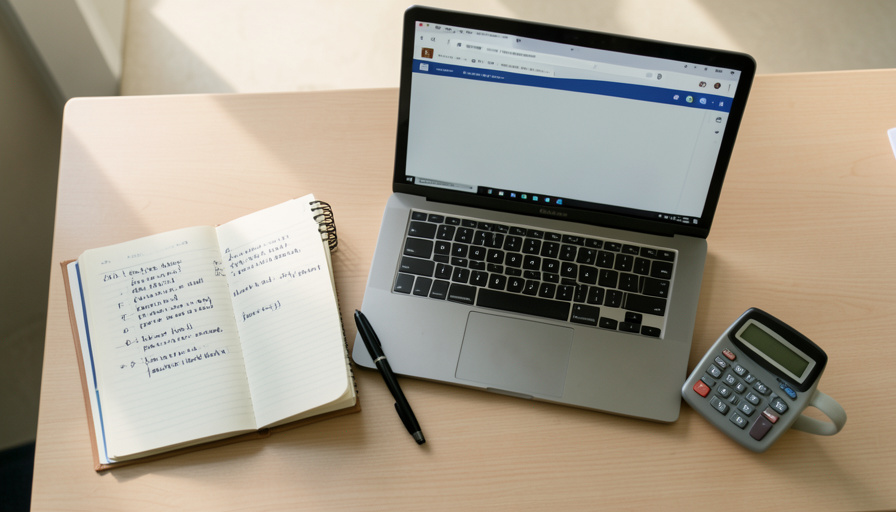
The best citation-safe Chegg alternatives in 2026, ranked for students who want homework help that teaches the work and points to sources they can actually cite.
Two things happened to Chegg at once. Its business fell off a cliff as students moved to free AI, and its reputation as a place professors check for cheating stuck around. If you are looking for a replacement, the smarter target is not another answer vending machine. It is a tool that shows you how a problem is solved or where a fact comes from, so the work you turn in is yours and the sources hold up. These six do that, and they range from free to a real tutor by the hour.
Quick Picks
| Tool | Best for | Cost | What it replaces |
|---|---|---|---|
| Khan Academy | Learning the concept | Free | Chegg’s explanations |
| Wolfram Alpha | Math and science steps | Free; Pro $8.25/mo | Chegg’s solved problems |
| Symbolab | Worked math solutions | Free; Pro from $2.49/mo | Chegg’s math answers |
| Google Scholar | Citeable research sources | Free | Chegg for papers |
| Purdue OWL | Citations and writing | Free | Formatting guesswork |
| Wyzant | One-on-one tutoring | Hourly, tutor-set | Chegg Tutors |
The six citation-safe Chegg alternatives worth using in 2026 are:
- Khan Academy — free lessons that teach the concept
- Wolfram Alpha — computational answers with step-by-step math
- Symbolab — worked, sequential math solutions
- Google Scholar — real, citeable academic sources
- Purdue OWL — free citation and writing guidance
- Wyzant — human tutors you learn from directly
Table of Contents
1. Khan Academy


Best for: Understanding the topic well enough to do the assignment yourself.
Khan Academy is the safest replacement for a reason: it teaches instead of answering. You get free video lessons, graded practice, and an AI tutor called Khanmigo that nudges you toward the answer rather than handing it over, across math, science, and the humanities. Because you learn the method and then apply it to your own problem, nothing you submit is copied, and there is no cheating flag to worry about, as its learning platform is built for practice rather than problem-dumping. The trade-off is patience. This is not the tool for a solved answer at 11 p.m., it is the tool for actually getting the unit.
- Pros: Completely free, teaches the concept, covers most K-12 and intro college subjects.
- Cons: Slower than a direct answer, and thin on advanced or niche coursework.
Pricing: Free.
2. Wolfram Alpha
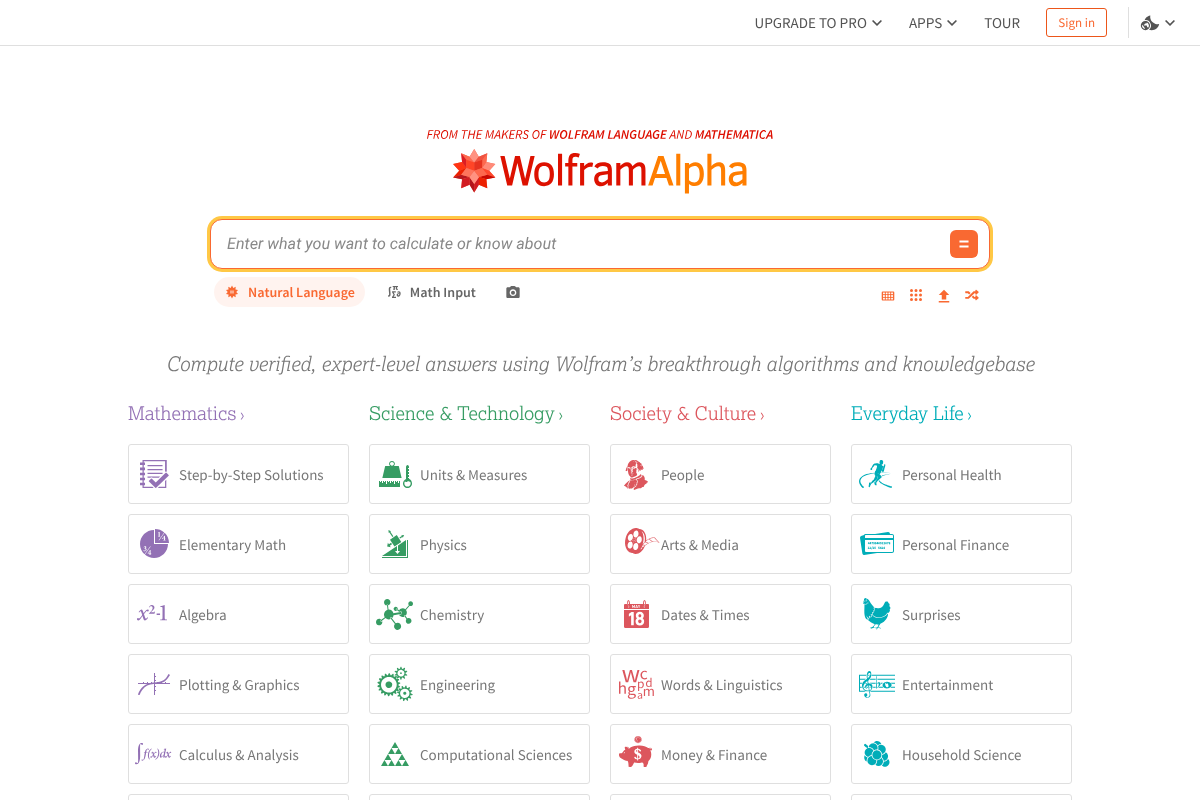
Best for: Math, physics, and chemistry where you need to see how the answer was reached.
Wolfram Alpha computes rather than guesses, which makes it a citeable reference in a way an AI chatbot is not. Type an equation or a science question and it returns a definitive result, and the paid Step-by-Step Solutions walk through the working so you can reproduce it by hand. Wolfram Alpha Pro for Students runs $8.25 a month billed annually at $99, and that step-by-step feature is the part worth paying for, per its student pricing page. Basic answers are free, but the steps, which are the learning, sit behind Pro.
- Pros: Trustworthy computation, step-by-step working, strong across STEM subjects.
- Cons: The step-by-step feature needs the paid plan, and it is weak on essay-style work.
Pricing: Free for basic answers; Pro for Students $8.25/mo (billed $99/yr).
3. Symbolab
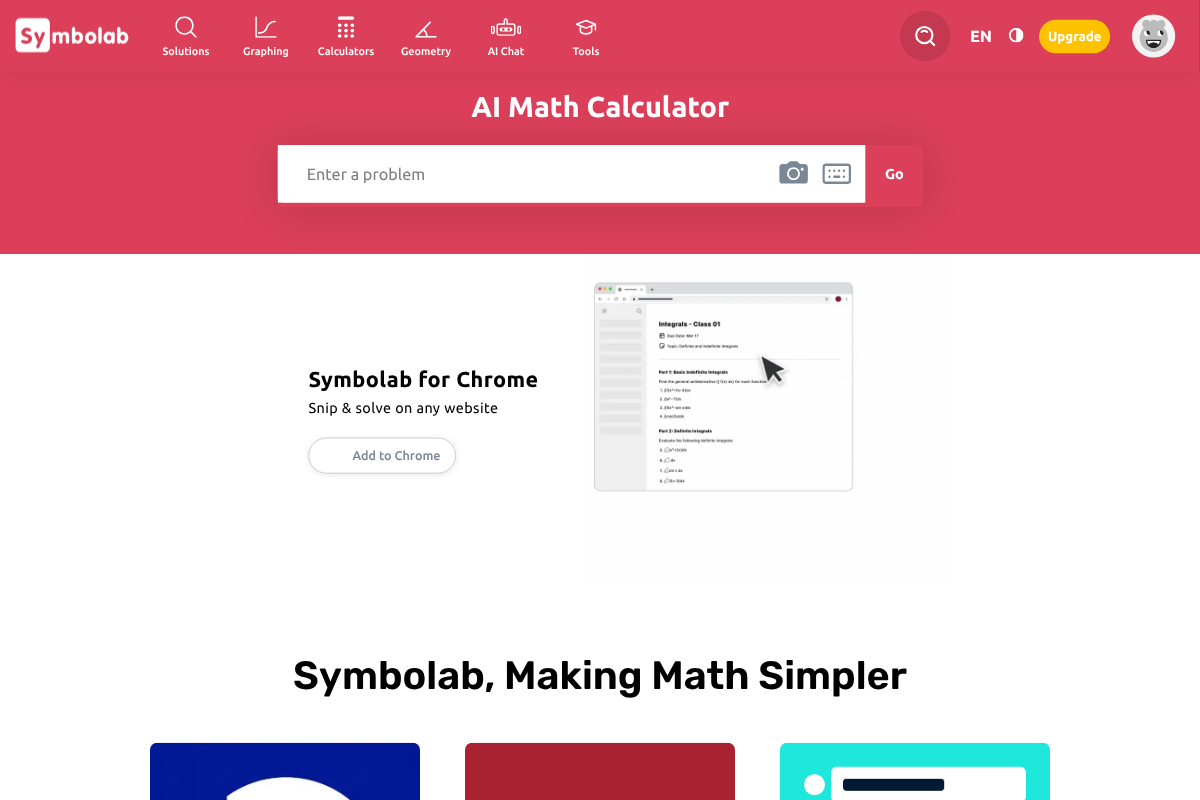
Best for: Algebra through calculus, when you want the full worked solution laid out.
Symbolab is the math specialist of the group, and its whole point is showing the steps. Enter a problem and it breaks the solution into a sequence, naming the rule or formula used at each stage, which is exactly how you would show your work on paper. That makes it useful for checking your own answer and finding where you went wrong, rather than skipping the process. A free tier covers a lot, and Symbolab Pro starts around $2.49 a month when billed annually, listed on the Symbolab site. The honest limit is scope, since it is math and little else.
- Pros: Clear step-by-step math, names the rules used, generous free tier.
- Cons: Math only, and the deepest steps sit behind Pro.
Pricing: Free tier; Pro from about $2.49/mo billed annually.
4. Google Scholar
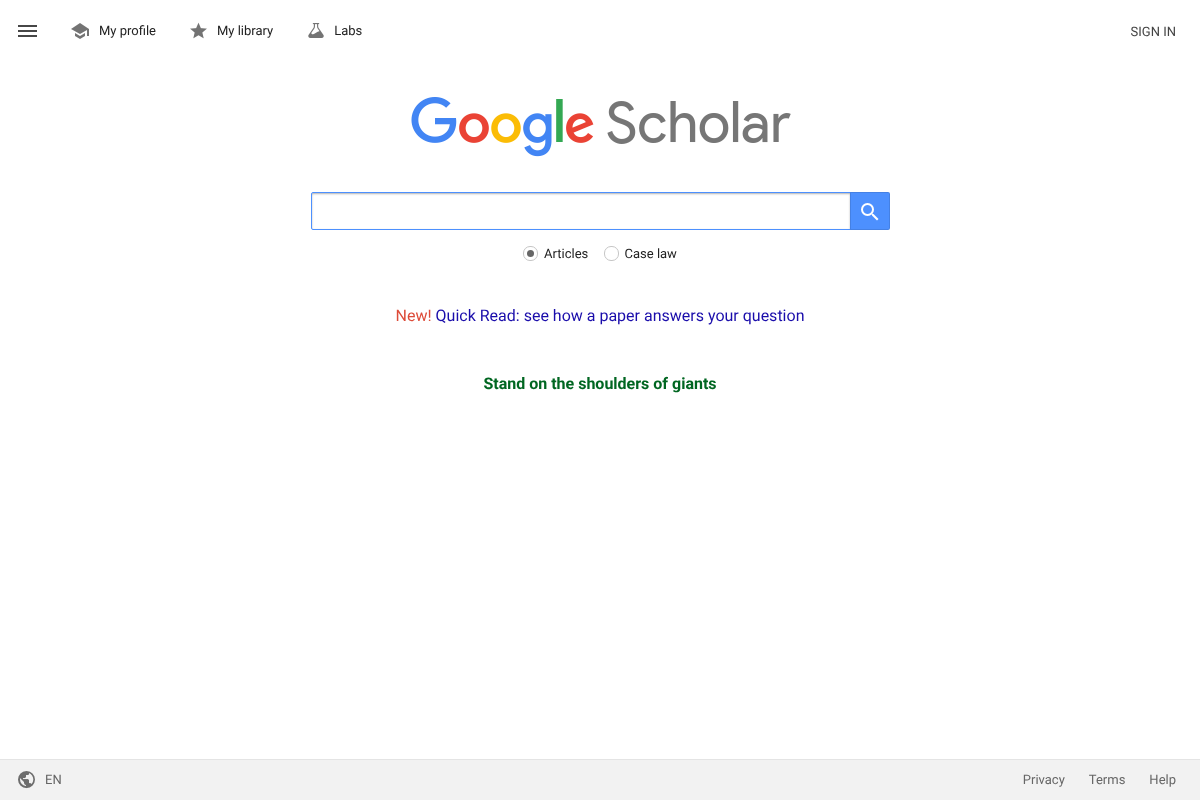
Best for: Essays and research papers that need real, citeable sources.
This is the pick the citation-safe angle was made for. Google Scholar searches peer-reviewed papers, books, and court opinions, so instead of a forum answer you get an actual source you can quote and cite with confidence. It is free, and each result offers a ready-made citation in common formats through the quotation-mark icon, which saves you from hand-typing a reference. For any assignment graded on evidence, starting here beats starting with a generic answer site. The catch is that some full texts sit behind publisher paywalls, though your school library often unlocks them.
- Pros: Real academic sources, free, generates citations in a click.
- Cons: Some papers are paywalled, and it finds sources rather than explaining problems.
Pricing: Free.
5. Purdue OWL
Best for: Getting citations formatted correctly and avoiding accidental plagiarism.
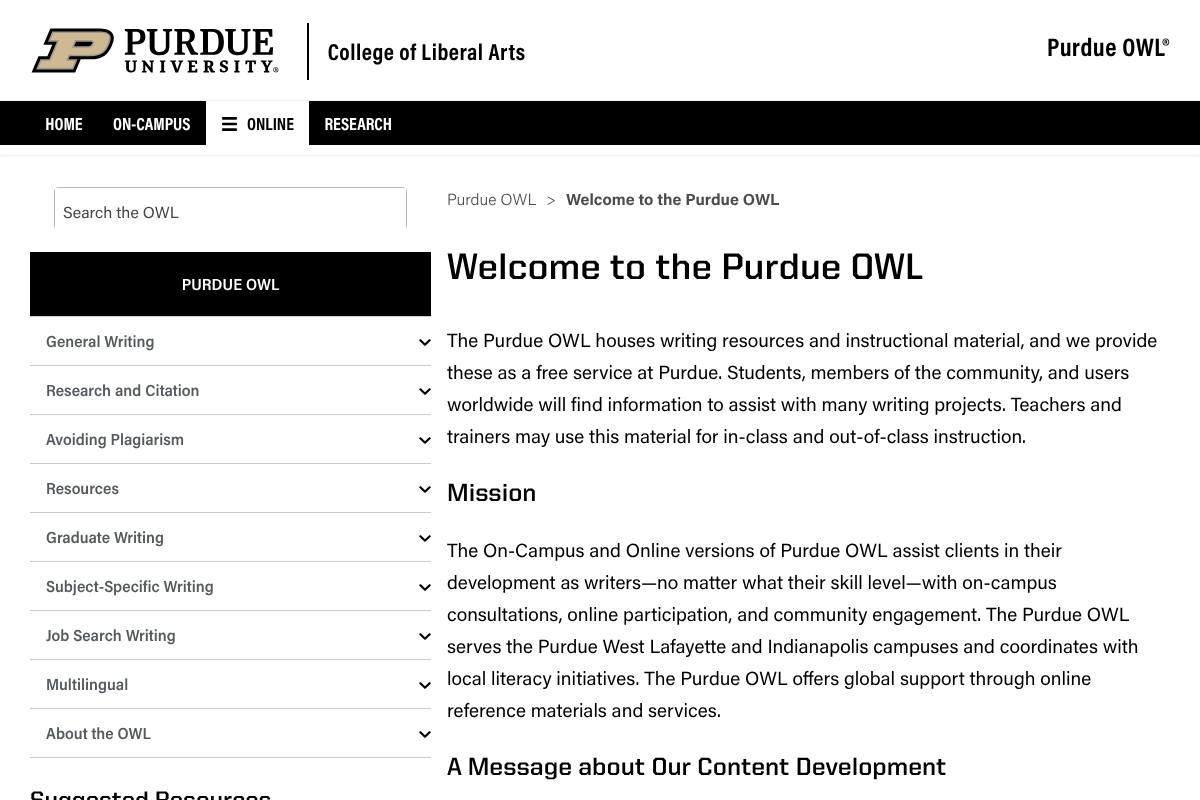
Once you have your sources, Purdue OWL is how you use them without slipping up. Run by Purdue University as a free service, it has the reference formatting for APA, MLA, and Chicago, plus guides on research, citation, and avoiding plagiarism that read like a course rather than a cheat sheet. For a student worried about integrity, a dedicated section on avoiding plagiarism is more reassuring than anything Chegg offered. It will not solve a problem for you, and that is the point: it teaches you to present real work correctly.
- Pros: Authoritative and free, covers every major citation style, plagiarism guidance.
- Cons: A reference guide, not a homework solver, so it complements the other tools.
Pricing: Free.
6. Wyzant
Best for: Students who want a real person to explain it until it clicks.
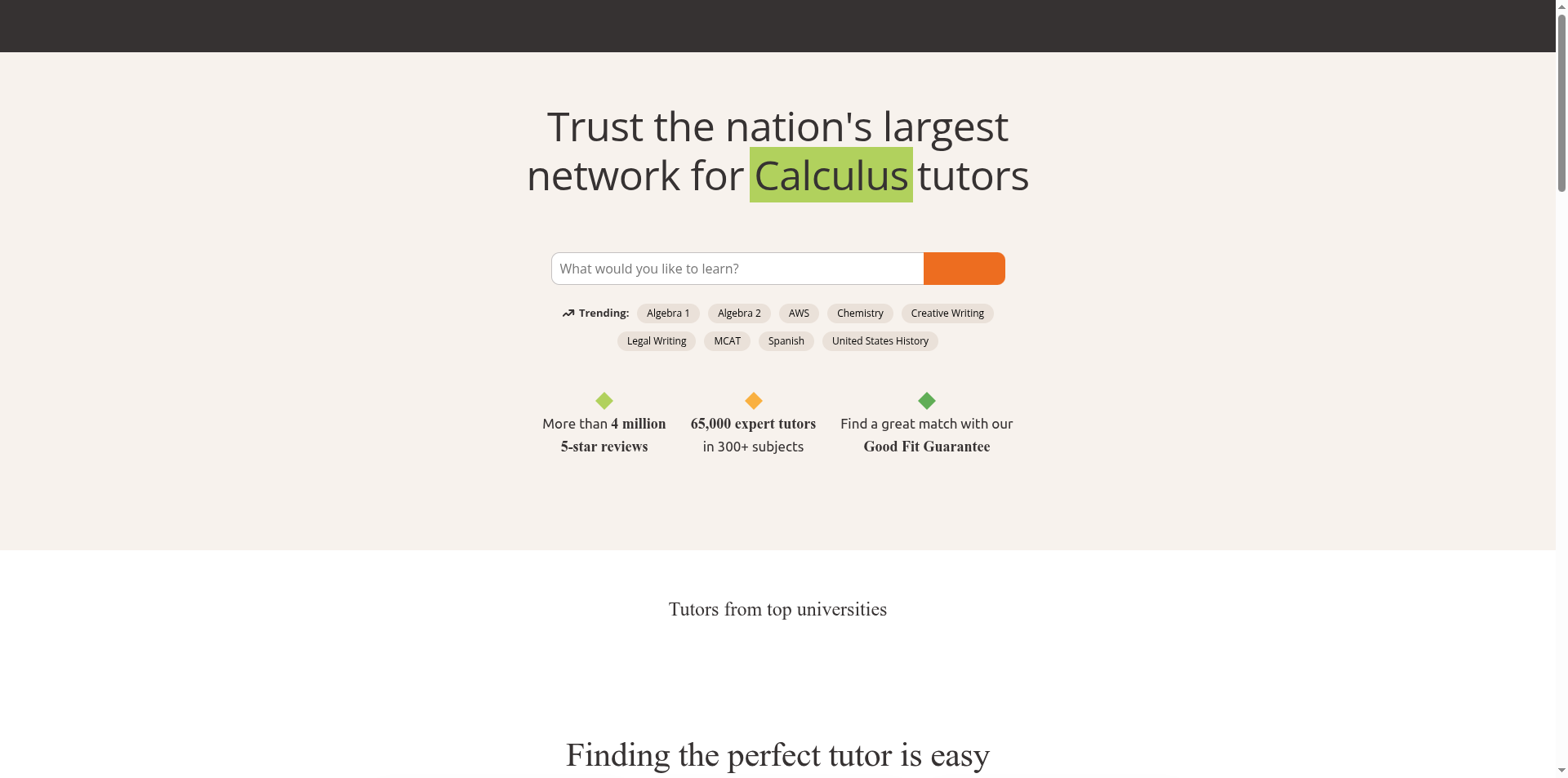
When self-serve tools are not enough, Wyzant connects you with a human tutor, and a person walking you through a concept is about as citation-safe as help gets. Its homepage lists more than 65,000 tutors across 300-plus subjects, so you can find someone for organic chemistry or the LSAT, and sessions happen online or in person. Tutors set their own hourly rates, which is the honest downside, since one-on-one time is the priciest option on this list. But for a subject you keep failing, a few focused hours with a tutor often beats months of scattered searching, and everything you produce afterward is genuinely your own.
- Pros: Real one-on-one teaching, huge subject range, you keep full ownership of your work.
- Cons: Hourly cost adds up, and quality varies by individual tutor.
Pricing: Hourly rates set by each tutor, commonly around $35 to $60 and up.
How We Chose These
We picked tools that help you learn or cite, rather than ones that hand over an answer to copy, because that is what keeps you clear of academic-integrity trouble and actually improves your grades. We weighed cost, subject coverage, whether the tool shows its work or its sources, and whether it is a currently supported product in 2026. We left out answer-unlocking sites and the shrinking ring of Chegg workarounds on purpose. Use these to understand the material and to source it properly, and check your own school’s rules on outside help, since policies differ by course and instructor.
Closing Thoughts
The reason to leave Chegg goes past its failing business: the safest homework help teaches you something you can defend as your own. For most students the free stack does the job: Khan Academy to learn the concept, Wolfram Alpha or Symbolab to see the math worked out, and Google Scholar plus Purdue OWL to source and cite an essay properly. Pay for Wolfram Pro when you need the steps, or book a Wyzant tutor when a subject just will not click. For related study help, see our guide to offline study app alternatives and our take on FAFSA timelines in 2026. Browse more in Wayodd’s Education section.
Frequently Asked Questions
What is the best citation-safe Chegg alternative for students?
For most students, Khan Academy is the best all-around choice because it is free and teaches the concept so your work stays your own. For math specifically, Wolfram Alpha or Symbolab show the steps, and for essays, Google Scholar finds citeable sources while Purdue OWL formats them correctly. The safest setup usually combines two or three of these rather than relying on a single answer site.
Is using Chegg considered cheating?
It can be, depending on how you use it and your school’s rules. Many institutions treat posting exam or homework questions to get answers as an academic-integrity violation, and Chegg has cooperated with schools investigating misconduct. Using a tool to learn a concept or check your own work is generally fine, while submitting copied answers is not. The alternatives here lean toward learning and sourcing, which keeps you on the safe side.
Are there free alternatives to Chegg?
Yes, several of the strongest options cost nothing. Khan Academy, Google Scholar, and Purdue OWL are entirely free, and Wolfram Alpha and Symbolab both have free tiers that answer many questions before you hit a paywall. A student can cover concept learning, basic math help, source finding, and citation formatting without paying, and only add a paid step-by-step or a tutor when a specific subject needs it.
Is Wolfram Alpha or Symbolab better for math homework?
They overlap, but they suit different needs. Symbolab is math-focused and lays out each step with the rule it used, which is ideal for algebra and calculus practice. Wolfram Alpha is broader, handling physics, chemistry, and data alongside math, and its step-by-step feature is strong but requires Pro. For pure worked math on a budget, start with Symbolab; for wider STEM coverage, choose Wolfram Alpha.
Why is Chegg declining in 2026?
Free AI tools took its customers. After ChatGPT launched, students increasingly used free chatbots for the homework help Chegg charged for, and its revenue and subscriber base fell sharply, with deep staff cuts in 2025 and a stock decline that put it at risk of being delisted. That shift is a large part of why students are actively searching for replacements this year.