
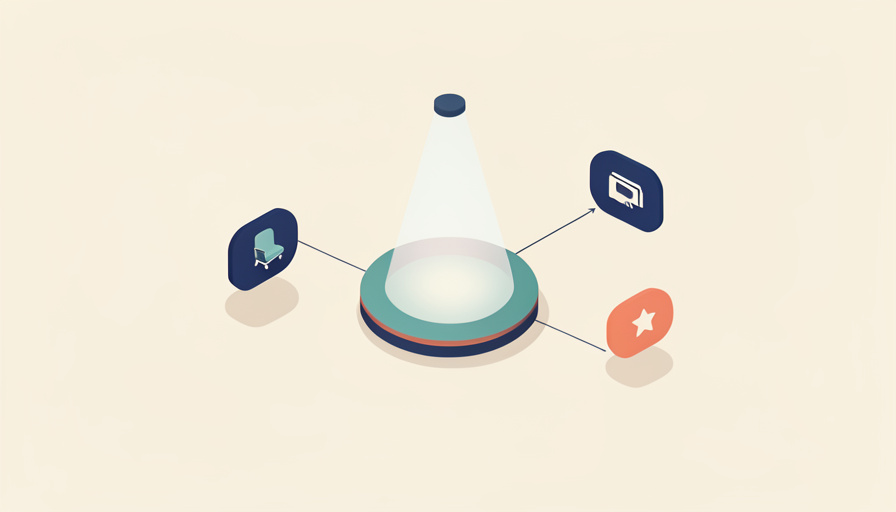
The smartest move in live events right now is not a bigger venue. It is selling the same night three different ways.
Look at the growth in live streaming ticket sales fan events keep posting about, and one creator move explains a lot of it: bundling the stream with the seat. Instead of choosing between a physical show and a virtual one, a growing number of creators run both at once and sell tickets in tiers. The in-person crowd gets the room, the streaming crowd gets access from anywhere, and a top tier gets extras. This piece looks at the business logic behind that bundle, why it works for creators, and what it changes for fans.
The Creator Play
- Creators increasingly run hybrid events, selling in-person and live-stream access to the same show as separate ticket tiers.
- Bundling captures both the scarcity of a physical seat and the scale of a stream, so more of the audience finds a reason to buy.
- It fits a wider creator-economy shift toward designing repeatable moments with several revenue streams, from tickets to perks.
Table of Contents
Why Creators Bundle the Stream and the Seat
The math is what makes this so appealing. A venue holds a fixed number of people, while a stream holds as many as the servers allow, so running both together lets a creator sell past the walls of the room. The fan who cannot travel, or cannot get one of the limited seats, still has a reason to pay.
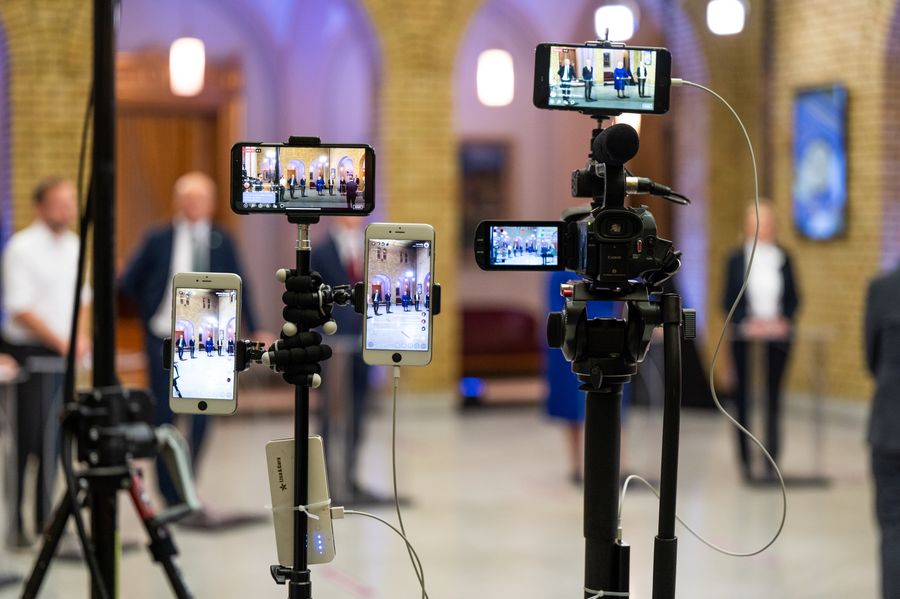
Event platforms have leaned into exactly this. Guidance on hybrid events points out that in-person and virtual streams can run at the same time, each with its own tier, and recommends bundling virtual access alongside the in-person ticket so nobody is left with no way in. For a creator, that turns one production into two audiences and two revenue lines.
The Tiers, and Who Buys Each
The bundle only works when the tiers feel like different experiences rather than a plain price ladder. In practice, that tends to sort into three buyers. The stream ticket serves the far-away and budget-conscious fan who wants in from home. The in-person seat serves the fan chasing the real thing, the room and the crowd. And a VIP or extras tier serves the superfan willing to pay for perks like a replay window, exclusive content, or a digital collectible.
Built well, each tier answers a different want, which is why bundling can lift total revenue without cutting prices. A fan is rarely choosing whether to spend, so much as choosing how much, and the tiers give them a comfortable place to land.
| Ticket tier | What it offers, and who buys it |
|---|---|
| Stream access | Watch from anywhere; the far-away or budget fan |
| In-person seat | The room and the crowd; the fan chasing the real thing |
| VIP or extras | Replay, perks, or a collectible; the superfan |

Part of a Bigger Creator-Economy Shift
Bundling live events fits a pattern that has been building for a while. The creators earning the most in 2026 tend to design moments rather than only post content, treating small, repeatable events as a revenue system. A ticketed hybrid show slots neatly into that, sitting alongside tipping, memberships, merch, and digital collectibles as one more stream of income.
To be fair about the tradeoff, none of this is free money. Running an in-person show and a polished stream at once adds real production cost, logistics, and the risk that a technical hiccup annoys the paying online crowd. The bundle raises the ceiling on revenue, and it also raises the amount of work required to earn it.
What It Means for Fans
For fans, the upside is access. Bundling means more people can be part of a moment they would otherwise miss, whether the barrier is distance, cost, or a sold-out room. A creator you love doing a hometown show is suddenly something you can join from another continent.
The catch is a quieter one worth naming. Tiered access can breed a low-grade FOMO, since the best version of the experience usually sits behind the highest tier, and the stream can feel like the consolation seat. It is a fair trade for most people, but it does turn a shared event into a layered one, where what you got depends on what you paid.
The Playbook
- Creators bundle in-person and live-stream access to one event as separate ticket tiers.
- The model captures both the scarcity of a seat and the scale of a stream.
- It fits a creator-economy shift toward repeatable moments and stacked revenue streams.
- Fans gain access, but tiered pricing can layer the experience by what each person paid.
Frequently Asked Questions
Why do creators bundle live streams with in-person tickets?
To reach more of their audience and earn more from one event. A venue seats a fixed number, while a stream scales without limit, so selling both together captures fans who cannot attend in person and adds a second revenue line to the same production.
What are the usual ticket tiers?
Typically three: a stream ticket for watching from anywhere, an in-person seat for the live experience, and a VIP or extras tier that adds perks like a replay, exclusive content, or a digital collectible. Each tier targets a different type of buyer.
Does bundling actually make more money?
It can, because tiers built around distinct experiences let fans choose how much to spend rather than whether to spend. It lifts revenue without slashing prices, though it also adds production cost and logistics, so the higher ceiling comes with more work.
How does this fit the creator economy?
It aligns with a shift toward creators designing repeatable moments instead of only posting content. A hybrid ticketed event becomes one revenue stream among several, alongside tipping, memberships, merchandise, and digital collectibles within integrated platforms.
Is the stream ticket worse than being there?
It is a different experience rather than a strictly lesser one. Streaming gives access from anywhere at a lower cost, but the in-person and VIP tiers usually carry the extras, so what a fan gets depends on the tier they choose.
The Hybrid Future
The bundle is a small idea with a big effect: one event, several doors, and a price for each. It lets creators grow revenue and reach at once, and it gives fans more ways to show up, even if the experience now comes in layers. For more on culture and the way we spend, browse Wayodd’s Lifestyle section. The show is still the show, but the ticket has quietly become a menu.