

Tell knowledge workers that thinking only counts when they are glued to a chair, and they will happily show you what that looks like.
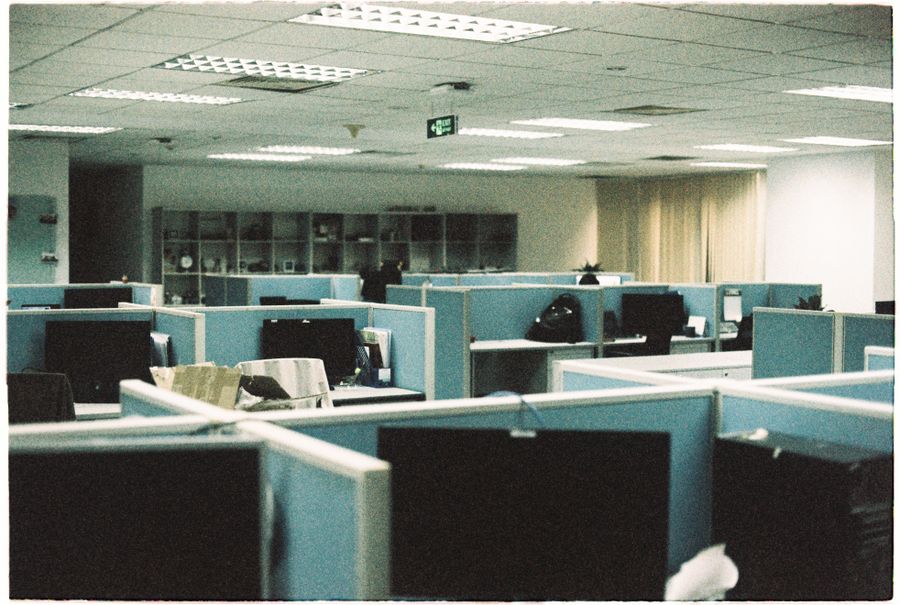
The latest CTO desk time policy backlash making the rounds is a small masterpiece of self-inflicted damage. According to a widely shared post on Reddit’s Malicious Compliance forum, a new chief technology officer told a team that if they were not at their desks, it did not count as work. So the team did exactly that. They stopped working the moment they stepped away, and output visibly dropped. The story is an anonymous anecdote, so treat the details as unverified. What makes it worth writing about is that the lesson underneath it is very real, and it keeps catching managers who should know better.
Short Answer
- A viral, unverified Reddit post describes a CTO ruling that work only counts at your desk, and a team responding by doing nothing away from their desks.
- The policy backfired because it measured physical presence, which is not the same as productive output, a gap researchers call presenteeism.
- A lot of real knowledge work happens away from a desk, so punishing that time tends to reduce output rather than raise it.
Table of Contents
What the Viral Post Actually Said
Start with the caveat, because it matters. This is an anonymous story from Reddit’s Malicious Compliance community, where people share tales of following a bad instruction to the letter. It is not confirmed reporting about a named company, and it should be read as a workplace parable rather than verified news.
The parable goes like this. A newly installed CTO decided that only desk time was real work, reportedly framing it as, if you are not at your desk, it is not work. The team took that literally. Hallway conversations that used to solve problems stopped. Thinking through a tricky bug on a short walk stopped. Answering a quick question from the coffee machine stopped. Everything moved to the desk, and only to the desk, and the pace of actual work fell off a cliff. The post drew hundreds of comments from people who recognized the pattern.
Why Measuring Desk Time Backfires
Here is the part that is not anecdotal. Decades of workplace research describe presenteeism, the state of being physically present but not actually productive, and it is expensive. One analysis found presenteeism costs employers roughly ten times more than absenteeism, precisely because a body in a chair looks like work while producing little.
The numbers on wasted desk time are blunt. Studies suggest office workers rack up dozens of unproductive days a year sitting at their desks, and that most people are genuinely productive for under six hours of an eight-hour day. A desk-time rule optimizes for the wrong number. It rewards the appearance of work and quietly punishes the parts of the day that actually move things forward.
The Work That Happens Away From the Desk
Knowledge work has a dirty secret: a lot of it does not happen at the keyboard. The idea that unlocks a stuck project often arrives on a walk, in the shower, or mid-sentence in a hallway. Collaboration frequently happens in the two-minute exchanges between meetings, not in a scheduled block at a desk.
Actually, that is the quiet reason the desk rule is self-defeating. When you tell people that only chair time counts, the rational response is to stop doing the valuable away-from-desk thinking, because it no longer earns credit. The team in the story was not being petty. They were following the incentive exactly as written, and the incentive was pointed the wrong way.
| Measuring desk time rewards | Measuring output rewards |
|---|---|
| Looking busy in a chair | Finishing the actual task |
| Staying visible to the boss | Solving the problem, wherever that happens |
| Long hours regardless of result | Results regardless of hours |
| Punishing walks, breaks, and hallway talk | Encouraging whatever produces good work |

What Managers Should Take From It
The useful takeaway is not that rules are bad or that employees are lazy. It is that people optimize for whatever you actually measure, so you had better measure the right thing. Tie credit to visible presence and you will get visible presence, delivered with a shrug. Tie it to output and you give people a reason to do the messy, unglamorous thinking that produces results.
There is a broader signal here too. Research on strict return-to-office mandates has repeatedly found weak or negative links to firm performance, which fits the same logic: control over where people sit is a poor lever for how well they work. The CTO in the story wanted more work and got less, because the metric and the goal were not the same thing.
This article is general information about workplace trends, not professional HR, legal, or management advice. Every team and jurisdiction is different, so consult qualified professionals before setting or changing workplace policies.
The Highlights
- A viral, unverified Reddit post describes a CTO desk-time rule that backfired into a work slowdown.
- Desk time measures presence, not output, and presenteeism can cost far more than absenteeism.
- Much valuable knowledge work happens away from the desk, so penalizing it lowers results.
- People optimize for what you measure, so measuring output beats measuring chair time.
Frequently Asked Questions
Is the CTO desk-time story real?
It comes from an anonymous post on Reddit’s Malicious Compliance forum, so it is not verified reporting about a named company. Treat it as a workplace parable. Its value is the lesson it illustrates, which is backed by real research on presenteeism and productivity.
What is presenteeism?
Presenteeism is being physically present at work but not actually productive. It is considered a major hidden cost because someone at a desk looks like they are working while producing little, and studies suggest it can cost employers far more than absenteeism does.
Why did the desk-time policy reduce productivity?
Because it measured the wrong thing. By counting only desk time as work, it removed any credit for the away-from-desk thinking, quick hallway problem-solving, and short breaks where a lot of knowledge work actually happens. Employees followed the rule literally, and output fell.
How should managers measure productivity instead?
The general principle is to measure outputs and outcomes rather than hours in a seat. That means defining what good work looks like for a role and tracking whether it gets done, rather than monitoring physical presence, which tends to reward looking busy over being effective.
Do return-to-office mandates improve performance?
The evidence is mixed at best. Research on strict return-to-office mandates has often found weak or negative associations with firm performance, which suggests that dictating where people sit is a poor substitute for managing the quality of their work.
The Last Word
The desk-time story is funny because it is familiar. Every worker has met a version of the rule that mistakes motion for progress, and every manager has been tempted to reach for one. The fix is boring but reliable: decide what output you want, measure that, and let people produce it however they work best. For more on work and careers, browse Wayodd’s Business & Finance section. A chair is easy to count. It is also the wrong thing to count.