
The most unsettling question in this story is not whether the government can see your money. It is how long that pipe has already been open.
The DHS finance scoring traffic stops story landed with a jolt, but the question buried inside it is the interesting one: how does the government have your financial data in the first place? Reporting describes a Homeland Security unit using financial activity to flag drivers, and the natural reaction is alarm at a new intrusion. The more accurate reaction is recognition. Most of the plumbing that could feed a program like that was installed years ago, in plain sight, through a system almost no one thinks about.
In Brief
- Americans’ financial data already flows to the government at massive scale through mandatory bank reporting, not through a single new program.
- Banks file tens of millions of suspicious activity reports a year, and large numbers of officials can search that data, often without a warrant.
- The DHS traffic-stop reporting is alarming partly because the infrastructure to support it, from bank filings to data brokers, was already in place.
Table of Contents
The Question Drivers Keep Asking
When reporting surfaced about a Border Patrol unit using financial patterns to flag drivers, the loudest response on forums was not outrage so much as confusion. Wait, people asked, how do they even have my bank information? It is a fair question, and the answer is less about one secretive team and more about a decades-old reporting regime that quietly turned banks into data feeders. We covered the traffic-stop mechanics separately in our piece on the DHS program that flags drivers. This is about the data behind it.
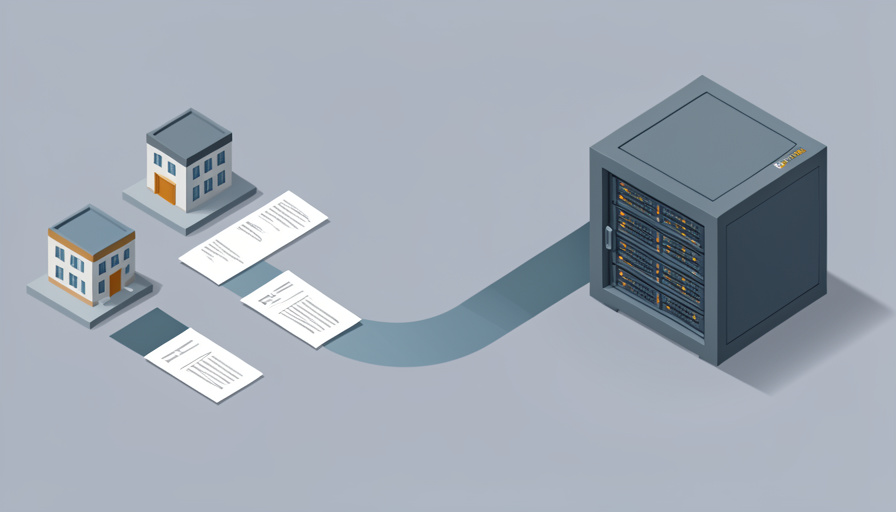
The Pipeline That Was Already There
The backbone is the Bank Secrecy Act, which requires financial institutions to report certain activity to the government. The volume is staggering. According to a Cato analysis, financial institutions filed more than 28.7 million reports in fiscal year 2025, roughly 78,000 every single day. Those include suspicious activity reports, filed when a bank thinks a transaction looks off, and currency transaction reports, triggered by cash movement above a set threshold.
Once filed, that data does not sit in a vault. Tens of thousands of government officials can search it through systems like FinCEN Query, frequently without a warrant. The reach is routine, not exceptional: the IRS criminal division has said its agents searched this bank-reported data in the vast majority of their cases. A tool sold as an anti-money-laundering measure has become a general-purpose window into ordinary financial life.


Where Data Brokers Fit In
Bank reporting is only one lane. The other is commercial. Data brokers assemble and sell detailed profiles built from apps, devices, and financial behavior, and government agencies have increasingly bought access rather than seeking it through legal process. That matters because a purchase can sidestep the warrant a search would normally require.
Stacked together, these two lanes explain how a predictive program could plausibly assemble a financial picture of a driver without ever knocking on a bank’s door with a subpoena. One lane is mandatory reporting. The other is a marketplace. Neither was built for traffic stops, which is exactly the worry.
| Channel | What it is |
|---|---|
| Suspicious activity reports | Banks flag transactions that look unusual to regulators |
| Currency transaction reports | Automatic reports on cash movement above a threshold |
| FinCEN Query access | Large numbers of officials can search filed data, often warrantless |
| Data brokers | Firms sell financial, location, and device data to agencies |
| Geographic Targeting Orders | Temporary rules forcing extra reporting in specific places |
How This Connects to the Traffic-Stop Reporting
Here is the honest boundary. The bank-reporting system is documented and legally established. The specific claims about the Homeland Security unit, including exactly what data it touches and whether it seeks warrants, remain based on reporting the agency has not fully confirmed. Keeping those two things separate matters.
It is tempting to read the traffic-stop story as a brand-new intrusion. The uncomfortable truth is that the raw material was already collected. A predictive team does not need to invent financial surveillance when a river of it flows past every day. That is why a House Judiciary Committee report argued federal law enforcement had gained near-unchecked access to private financial data, a concern that predates this particular program and helps explain why it landed so hard.
What You Can and Cannot Control
This is the part that frustrates people, because the honest answer includes a lot you cannot change. Still, knowing the shape of it helps:
- You cannot opt out of bank reporting. If your bank files a report, that is a legal requirement, not a customer choice.
- You can reduce your data-broker footprint, using opt-out requests and privacy tools, though coverage is partial and tedious.
- You can keep your own records of large or unusual transactions, so you can explain them if a question ever arises.
- You can follow how a stop is supposed to work, since your conduct at the roadside is the piece you actually control.
This article is general information, not legal or financial advice. Rules on financial data and privacy are complex and evolving, and some details here come from ongoing reporting, so consult a qualified professional about a specific situation.
What To Know
- Mandatory bank reporting sends tens of millions of financial records to the government every year.
- Officials can often search that data without a warrant, and agencies also buy data from brokers.
- The DHS traffic-stop reporting is unsettling partly because this infrastructure already existed.
- You cannot opt out of bank reporting, but you can trim your data-broker exposure and keep your own records.
Frequently Asked Questions
How does the government get my financial data?
Mostly through mandatory bank reporting under the Bank Secrecy Act. Banks file suspicious activity reports and currency transaction reports to the government, and officials can search that data. Agencies also purchase financial and behavioral data from commercial data brokers.
Can the government see my transactions without a warrant?
In many cases, yes. Data filed by banks under the Bank Secrecy Act can be searched by large numbers of officials through systems like FinCEN Query, frequently without a warrant. Purchases from data brokers can also bypass the legal process a search would require.
Is the DHS traffic-stop program confirmed to use this data?
The bank-reporting system is established fact, but the specific claims about the Homeland Security unit come from reporting the agency has not fully confirmed. The two should be kept separate: the pipeline is documented, while the program’s exact use of it remains partly unverified.
How many financial reports are filed each year?
By one analysis, financial institutions filed more than 28.7 million reports in fiscal year 2025, roughly 78,000 per day. That volume reflects how routine bank reporting has become as a source of government financial data.
Can I stop my data from being collected?
Not the bank-reporting part, which is legally required. You can reduce your exposure to data brokers through opt-out requests and privacy tools, though the process is incomplete and time-consuming. Keeping your own records of unusual transactions is also a practical step.
What This Means
The takeaway is not that a single program is watching you, but that the raw materials for financial surveillance are already gathered at enormous scale, waiting for whoever decides to use them. The DHS reporting is a prompt to notice a system that was easy to ignore. For related coverage, browse Wayodd’s Law and Finance sections. The question worth carrying forward is less about who is looking today, and more about what rules govern a data trail this large tomorrow.