
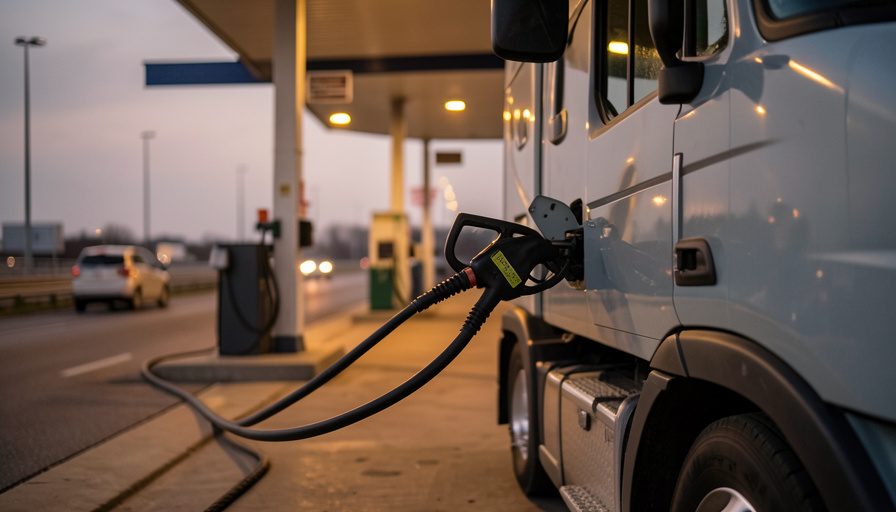
Almost everything you buy spends part of its life on a diesel engine. That is why this particular price record reaches well beyond trucking.
US diesel just set a new all-time high, and the diesel price record in 2026 has pushed past the previous peak from June 2022. The national average climbed above roughly $5.85 a gallon in early September and kept rising from there, with some states running far higher. Diesel powers trucks, trains, farm equipment, and construction, so when it jumps, the cost works its way into groceries, building materials, and the price of getting almost anything from a warehouse to a shelf.
Quick Answer
- US diesel broke its 2022 record in early September 2026, climbing past roughly $5.85 a gallon nationally and continuing upward.
- The main driver is tight supply: distillate inventories are near multi-year lows while global production lags demand.
- Because diesel moves freight and food, the increase spreads into shipping costs and everyday prices, well beyond fuel bills.
Table of Contents
How High Diesel Actually Went
The headline number is the record itself. US retail diesel passed its June 2022 high in early September 2026, moving above about $5.85 a gallon on a national average basis. From there it kept climbing rather than settling.
Averages hide the regional pain. Some states have run dramatically higher than the national figure, with reports of California topping $8 a gallon and Washington crossing $7 for the first time, according to price trackers. A driver in one state can be paying two dollars more per gallon than a driver a few states over, which matters a lot when a tank holds well over a hundred gallons.
Why Diesel Is Breaking Records
Here is the counterintuitive part: diesel has been setting records even at times when crude oil was not especially expensive. That gap points away from the usual “oil is up” explanation and toward a supply problem specific to diesel itself.
The core issue is inventory. The US Energy Information Administration has flagged that distillate fuel stocks, the category that includes diesel and heating oil, are running near multi-year lows, with global production of distillate trailing demand. When the cushion of stored fuel gets thin, prices react hard to any disruption, because there is no slack to absorb it.
Layer on refinery constraints and competition from other fuels. Refineries can only run so hard, and when jet fuel is highly profitable, some diesel-making capacity effectively gets pulled toward that instead. Analysts have described diesel as on track for a 2026 record precisely because several of these pressures arrived at once.

How It Ripples Into Shipping and Prices
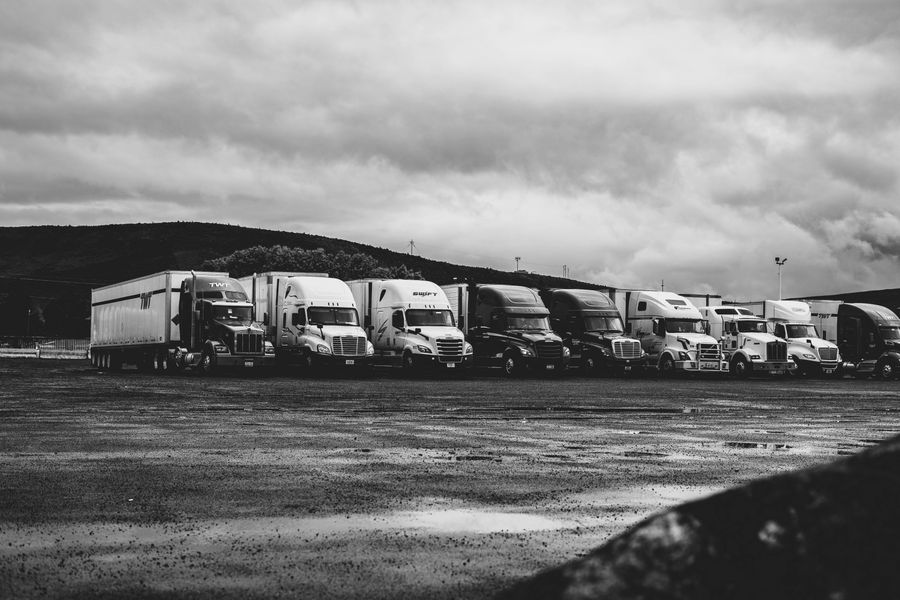
Freight carriers do not simply absorb a fuel spike. Most build in a fuel surcharge, a line item that rises and falls with diesel, so a higher pump price becomes a higher shipping invoice within weeks. That invoice belongs to whoever is moving the goods, which eventually means the store, and then you.
Wait, one nuance keeps this from being a straight line. The pass-through is uneven and delayed. A retailer with contracts locked in months ago may hold prices for a while, then adjust in a lump later. So the grocery effect of a September fuel record might not fully show up until weeks afterward, which makes the cause easy to forget by the time the bill arrives.
What It Means for Commuters and Households
If you drive a diesel vehicle, the hit is direct and obvious. For everyone else, the effect is indirect but real, arriving through the price of food, deliveries, and anything trucked long distances. A few practical things are worth watching:
- Check whether your regular routes have cheaper fuel corridors, since state-to-state gaps are unusually wide right now.
- Expect delivery fees and freight surcharges on large or bulky orders to creep up before product prices do.
- Watch grocery staples that travel far, like out-of-season produce, which feel freight costs more than local goods.
- Treat any “temporary” fuel surcharge as potentially sticky, because they tend to come off slowly once added.
This article is for general information only and is not financial advice. Fuel prices move quickly and vary by region, so check current local data and consider your own budget before making decisions based on price trends.
What Matters Most
- Diesel set a fresh record in September 2026, breaking the previous 2022 high.
- The cause is a supply and inventory squeeze, not simply expensive crude oil.
- Higher diesel becomes higher shipping costs through fuel surcharges, then reaches store prices.
- The household impact is often delayed, showing up in bills weeks after the fuel headline.
Frequently Asked Questions
How high did diesel prices get in 2026?
US diesel broke its June 2022 record in early September 2026, moving above roughly $5.85 a gallon nationally and continuing to climb. Some states ran far higher, with reports of California above $8 and Washington above $7.
Why are diesel prices rising even when crude oil is not?
Because the problem is specific to diesel supply. Distillate inventories are near multi-year lows, global production is lagging, and refinery limits plus competition from jet fuel tighten diesel availability, so prices can spike independent of crude.
How do diesel prices affect what I buy?
Trucks, trains, and farm equipment run on diesel, so higher fuel raises freight costs through fuel surcharges. Those costs eventually reach retail prices, especially for goods that travel long distances, though the effect is usually delayed.
Will diesel prices come back down soon?
That depends on inventories rebuilding and supply pressures easing, which forecasts suggest could take time. Because stocks are thin, prices are likely to stay sensitive to any further disruption in the near term.
Does a diesel spike affect people who do not drive diesel?
Yes, indirectly. Even if you never buy diesel, you pay for it inside the price of shipped goods, groceries, and deliveries. That is why a fuel record is treated as an economy-wide cost that reaches past trucking.
Practical Takeaway
The useful way to read this record is as a delayed-cost story. The pump number is today’s news, but the part that reaches your budget, slightly pricier deliveries and freight-heavy groceries, tends to land a few weeks later and without a label attached. For related coverage, browse Wayodd’s Business & Markets and Autos sections. Keep an eye on whether inventories start to recover, because until they do, diesel stays one disruption away from another jump.