
The promo was loud, the tagline was everywhere, and the real target was not your television. It was every screen at once.
The Emmys HER branding NBC Peacock push blanketed feeds and airwaves before the 78th ceremony, and the reason runs deeper than one host. Running the show live on NBC and streaming it on Peacock at the same time is a deliberate viewership strategy, built for a moment when awards audiences on live television keep sliding. The “HER” campaign was the shiny front of a business move: capture a fractured audience across broadcast, streaming, and social all at once. This piece looks at that ratings play, and what a promo blitz can and cannot fix.
The Play
- Airing on NBC and Peacock together is a strategy to capture both traditional viewers and cord-cutters under one push.
- Awards-show ratings have fallen from their peaks, so the promo blitz is fighting a structural decline, not a one-year dip.
- Much of the campaign targeted social feeds, because viral clips now count toward reach as much as live tune-in does.
Table of Contents
A Simulcast Is a Strategy, Not a Convenience
Airing the Emmys on NBC and Peacock at the same time looks like simple accessibility, but the business logic underneath is sharper. Broadcast reaches the shrinking group who still watch live TV, while the stream reaches cord-cutters who left cable behind. Running both together lets the network chase the whole audience in one shot rather than picking a side.
It also folds two audiences into a single story the network can promote and measure. Instead of a fading broadcast number standing alone, the show becomes a cross-platform event with a live audience, a streaming audience, and a social tail. That framing matters as much internally as it does to viewers, because it changes what counts as a win.
The Headwind: Awards Ratings Aren’t What They Were
None of this happens because business is booming. Awards shows have slid a long way from their peak audiences, and the Emmys sit squarely in that trend. For a sense of scale, the previous year’s ceremony, the 77th Emmys, drew about 7.59 million viewers, a fraction of the tens of millions these nights once commanded.
That is the headwind a promo blitz is really pushing against. A clever campaign can pull in curious viewers at the margins, but it cannot reverse cord-cutting or manufacture a cultural monopoly that streaming broke apart years ago. So the heavy promotion is less a bid for a record and more a fight to hold ground.
| The old ratings game | The new one |
|---|---|
| One live broadcast number | Broadcast plus streaming, counted together |
| Overnight tune-in was the whole story | Clips and social reach extend it for days |
| A near-monopoly on the cultural moment | Competing with everything else on every feed |
| Success meant a huge single audience | Success means presence across many screens |

Why the Promo Lived on Social Feeds
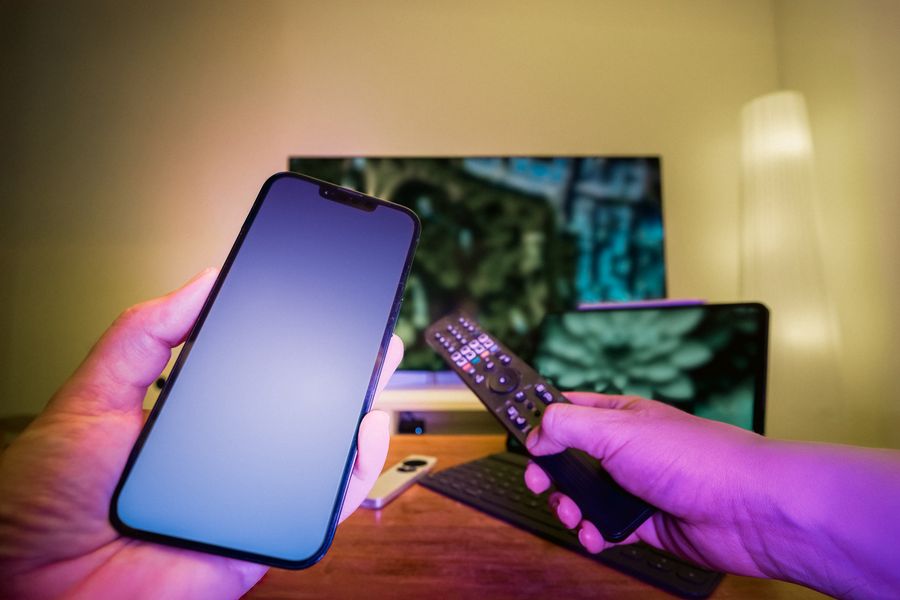
Look at where the “HER” campaign actually lived and the strategy gets clearer. It was built to travel on social, in short, repeatable posts designed to be shared long before and after the broadcast. That is a response to what some analysts call the clip economy, where an awards show’s real reach now runs through viral moments as much as live viewership.
To be fair, this is a smart adaptation rather than a gimmick. If audiences increasingly meet the Emmys through a clip on their phone instead of a live broadcast, then a campaign that is easy to clip and share is doing exactly the right job. The promo chased feeds because that is where a growing share of the audience actually is.
What This Signals for Awards TV
Step back and the “HER” push reads as a snapshot of an industry in transition. The whole model of one network owning awards night is loosening, and there is open speculation that future ceremonies could land on a streaming platform rather than a traditional broadcaster. That uncertainty is part of why cross-platform reach matters so much right now.
For NBC, tying the Emmys into its 100th anniversary and pushing it across broadcast and Peacock is a way to prove the event still works in a streaming-first world. The promo blitz was never really about this year’s number alone. It is a demonstration that a legacy broadcaster can still gather an audience wherever that audience has scattered.
The Read on Ratings
- The NBC and Peacock simulcast is a strategy to capture live and streaming audiences at once.
- Awards ratings have declined for years, so the promo blitz fights a structural trend.
- The campaign targeted social feeds because viral clips now drive much of the reach.
- Future awards ceremonies may move to streaming, raising the stakes on cross-platform viewership.
Frequently Asked Questions
Why did the Emmys air on both NBC and Peacock?
To reach the whole audience at once. Broadcast on NBC captures viewers who still watch live TV, while the Peacock stream reaches cord-cutters. Running both together lets the network pursue both groups and frame the ceremony as a single cross-platform event.
Are Emmys ratings declining?
Awards-show audiences have fallen well below their historical peaks. As a reference point, the 77th Emmys in 2025 drew about 7.59 million viewers, far below the tens of millions such ceremonies once reached, which is the backdrop for this year’s heavy promotion.
What is the clip economy in awards shows?
It describes how much of an awards show’s reach now comes from short, shareable clips that spread on social media, rather than from live tune-in alone. It is why campaigns like “HER” are designed to be easy to clip, post, and share across feeds.
Did the promo blitz actually boost ratings?
A strong campaign can attract curious viewers at the margins, but it cannot undo cord-cutting or restore the mass audiences of the past. The push is better understood as an effort to hold ground and maximize cross-platform reach than as a bid for a ratings record.
Could future Emmys move to a streaming service?
It is being openly discussed. With the traditional broadcast model under pressure, there is speculation that upcoming ceremonies could air on a streaming platform. That possibility is part of why networks now emphasize reaching audiences across every screen.
Where Awards TV Is Headed
The “HER” blitz was a fun campaign wrapped around a serious business problem. Live awards audiences are shrinking, the cultural moment is fragmented across screens, and a legacy network is working to prove it can still gather people wherever they watch. That is why the Emmys now chase viewers on the broadcast, the stream, and the feed at the same time. For more on media and the business of entertainment, browse Wayodd’s Entertainment section. The trophy show is the same, but the fight for eyeballs has moved everywhere at once.