

The kiosks were supposed to be the future. Then a lot of customers decided they would rather just talk to a person, and some chains started listening.
There is a real trend behind the fast food bringing back cashiers kiosks chatter, and it is more interesting than a simple reversal. Chains are not ripping the screens out. Instead, after years of pushing customers toward self-order machines, several are quietly adding human staff back at the front, because the automation did not deliver everything it promised. A Wall Street Journal report described restaurants scaling back the hard push toward robots and screens after customers said the experience felt rushed and impersonal. This is what is actually happening, and why.
The Short Version
- Chains are rebalancing rather than reversing, keeping kiosks while adding human staff back at the counter for help and hospitality.
- The push cooled because many customers found kiosk-only ordering impersonal, and because kiosks did not cut labor costs as much as expected.
- The returning role is not the old cashier so much as a hybrid host who runs the counter, guides kiosk users, and smooths the experience.
Table of Contents
What Is Actually Changing
First, a correction to the headline version of this story. Kiosks are not disappearing, and most big chains still run them by the thousands. What is shifting is the all-in bet that screens could replace the person at the counter. Some chains found that going fully self-service traded a small labor saving for a real drop in customer experience, and they are walking that back.
The reporting that set this off pointed at familiar names. According to the Wall Street Journal account, chains including McDonald’s and Burger King acknowledged what regulars had been saying for a while: plenty of people still want a human to take their order, and the screen-only setup felt cold. So the fix is not fewer kiosks. It is more people working around them.
Why the Kiosk Push Cooled
Two forces pushed in the same direction, one about customers and one about money. On the customer side, the frustration is easy to find. Online, the loudest complaints are about chains closing every register to force kiosk use, older customers struggling with the screens, and the oddly common setup where you order on a kiosk only for a worker to re-enter it anyway.
The money side is less obvious and more decisive. Against the backdrop of an ongoing quick-service labor crunch, kiosks were sold as a labor cut, but the savings often did not show up. As one trade analysis put it, kiosks will not save labor costs, at least not right away, because if you want customers to actually use the machines, you have to staff someone to help them. A screen that needs a human standing next to it is not the headcount cut the pitch deck promised.

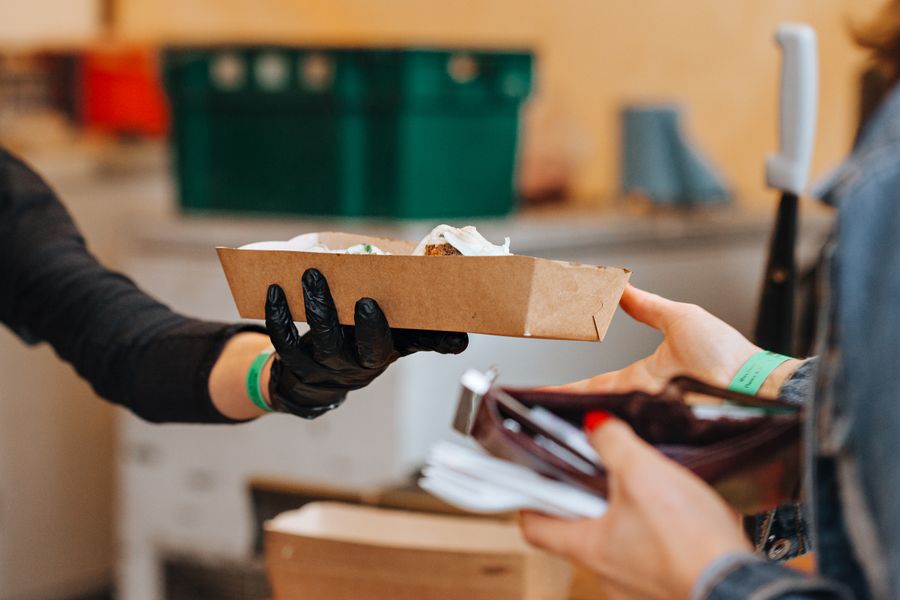
The Cashier Coming Back Is a Different Job
Here is the part worth slowing down on. The person returning to the front is rarely the pure order-taker of a decade ago. The role is being redrawn into something more hybrid, part cashier, part kiosk guide, part greeter.
One fast-casual chain, Urbane Cafe, offers a clean example of the pattern. After adding kiosks, it reallocated its front-of-house so that a spot once covered by two cashiers now runs with a single team member acting as cashier, kiosk ambassador, and guest-experience host at the same time. That is the shape of the change across the industry: not a rewind to the old counter, but a new job built around the machines rather than instead of them.
| The old assumption | What chains found instead |
|---|---|
| Kiosks replace cashiers | Kiosks need staff to help customers use them |
| Self-service always feels faster | Screen-only ordering can feel impersonal and rushed |
| Automation is a clean labor cut | Savings are smaller and slower than promised |
| The counter job disappears | It changes into a hybrid host-and-helper role |
Which Chains Are Rebalancing
The names to watch are the biggest ones, because their moves set the tone for everyone else. The Wall Street Journal reporting centered on McDonald’s and Burger King rethinking the automation-first approach. Customer backlash has also dogged others, with Panera drawing heavy criticism for funneling everyone into kiosk lines while staff stood nearby.
It would be a stretch to call this a full industry U-turn, and it is worth being honest about that. Kiosk adoption overall is still growing, and plenty of operators remain committed to screens. What has changed is that the smartest chains stopped treating human service as a cost to eliminate and started treating it as part of what they sell.
This article is general information about industry trends, not business or financial advice. Company strategies and store setups vary and change over time, so treat these as broad patterns rather than guidance for a specific decision.
Key Takeaways
- Chains are keeping kiosks while adding human staff back, a rebalance rather than a reversal.
- The shift is driven by customer frustration with impersonal ordering and by weaker-than-expected labor savings.
- The returning counter job is a hybrid host and kiosk helper, not the old cashier role.
- McDonald’s and Burger King anchor the trend, though kiosks are still expanding across the industry overall.
Frequently Asked Questions
Are fast-food chains getting rid of kiosks?
No. Most large chains still run kiosks in thousands of locations, and adoption is still growing overall. What is changing is that some chains are adding human staff back at the counter, rather than betting that screens can fully replace a person taking orders.
Why are chains bringing back cashiers?
Two reasons. Many customers found kiosk-only ordering impersonal and rushed, and kiosks did not cut labor costs as much as promised, since staff are still needed to help customers use them. Together, those pushed some chains to restore human service at the front.
Which chains are involved?
Reporting has centered on McDonald’s and Burger King rethinking an automation-first approach. Others, including Panera, have faced customer backlash over pushing everyone toward kiosks. The broader pattern spans multiple quick-service and fast-casual brands.
Is the old cashier job coming back exactly as it was?
Not quite. The returning role tends to blend cashier, kiosk helper, and greeter into one hybrid position. A spot once staffed by two cashiers may now be a single worker who runs the counter and guides kiosk users at the same time.
Do customers actually prefer human service or kiosks?
It is genuinely mixed. Many customers like kiosks for speed and order customization, while others find screen-only setups cold, especially older customers. The chains rebalancing are trying to offer both, so people can choose the counter or the screen.
Final Takeaway
The tidy narrative was that machines would take the counter and never give it back. The messier truth is that customers voted with their annoyance, the labor math underwhelmed, and some chains decided a friendly face is worth keeping. For related coverage, browse Wayodd’s Business & Finance and Business & Markets sections. The kiosk is here to stay, but so, it turns out, is the person standing next to it.