

A checkout page can make a compounded weight-loss shot look as routine as a vitamin. The right questions turn a two-click purchase back into a medical decision.
If you have questions about compounded GLP-1 options a telehealth provider is offering, you are asking exactly the right thing, because 2026 changed the rules around these products. This is not a verdict on whether to use one; that is a decision for you and a qualified clinician. It is a checklist of questions that pull the important facts into the open, covering the pharmacy behind the product, the medicine itself, your prescription, and the fine print you are agreeing to.
Ask Before You Buy
- Compounded GLP-1 medications are not FDA-approved, which means they have not been reviewed for safety, effectiveness, or quality.
- After the 2026 shortage resolution, broad compounding of copies is largely no longer allowed, so ask why a compounded version is being offered to you.
- The strongest questions cover the pharmacy, the exact medicine, your evaluation, and the refund and auto-ship terms.
Table of Contents
Why It’s Worth Asking in 2026
The ground shifted this year. The FDA resolved the semaglutide shortage in early 2025, and through 2026 it moved to close the pathways that had let pharmacies mass-produce compounded copies. Making a compounded product that is essentially a copy of an approved, available drug is generally not permitted now, with narrow exceptions for an individual patient whose prescriber documents a specific clinical reason.
Two facts are worth holding onto. First, a compounded drug is not FDA-approved, so it has not gone through the agency’s review for safety and quality. Second, the FDA has warned telehealth companies about marketing that implies these products are approved or equivalent to the brand when they are not. That is the backdrop for every question below.
Questions to Ask
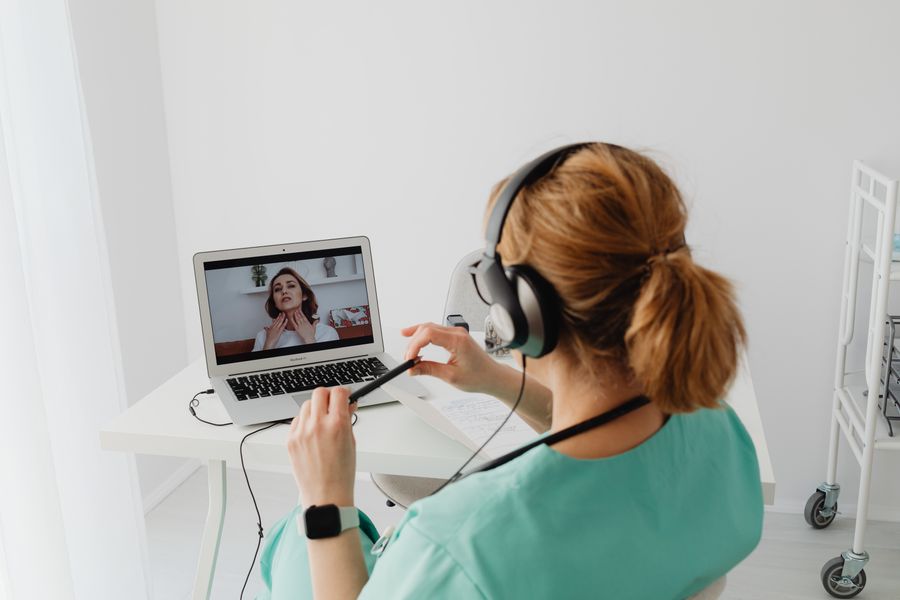
Bring these to the intake form, the chat, or the video visit. A trustworthy provider will answer them plainly.
About the pharmacy:
- Which pharmacy compounds this, what is its name, and is it a state-licensed 503A pharmacy or an FDA-registered 503B outsourcing facility?
- Can I get the Certificate of Analysis for my batch, and does the pharmacy test every batch?
About the medicine:
- Is this the FDA-approved product, or a compounded version that the FDA has not reviewed?
- What exactly is in it, including the form of the active ingredient and any added ingredients?
- How is my dose measured, and how do I avoid a dosing error with a multidose vial?
About your prescription:
- Will a licensed clinician actually evaluate me, and are they licensed in my state?
- Since broad copying is largely no longer allowed, what documented clinical reason makes a compounded version appropriate for me?
About the fine print:
- What are the refund, cancellation, and auto-ship terms, and am I committing to a multi-month bundle?
- If I have side effects, who do I contact, and is there real medical follow-up?

Red Flags Worth Noticing
Some answers, or the lack of them, are warnings on their own. Step back if you see these.
- Claims that the product is FDA-approved or identical to the brand, which the FDA has specifically flagged as misleading.
- No real medical evaluation, or the phrase “no prescription needed.”
- A pharmacy that is not named, or that will not share its license and batch testing.
- Prices that seem too good to be true, or pressure to lock into a large bundle quickly.
This article is general information, not medical advice, and it does not recommend for or against any medication or provider. Compounded drugs are not FDA-approved, the rules change, and only a qualified clinician who knows your health can advise you. Talk to a licensed doctor or pharmacist before starting, changing, or stopping any medication.
The Takeaways
- Compounded GLP-1s are not FDA-approved, and broad compounding of copies is largely no longer permitted in 2026.
- Ask which licensed pharmacy makes it and whether you can see batch testing.
- Confirm a real clinician evaluates you and documents why a compounded version fits your case.
- Read the refund and auto-ship terms, and treat any FDA-approval claim as a red flag.
Frequently Asked Questions
Is compounded semaglutide FDA-approved?
No. Compounded medications are not FDA-approved, meaning the agency has not reviewed them for safety, effectiveness, or manufacturing quality. That is different from the brand-name GLP-1 drugs, which are approved. Any claim that a compounded version is FDA-approved is one the FDA has warned against.
Why are compounded GLP-1s harder to get in 2026?
Because the FDA resolved the semaglutide shortage and moved to close the pathways that had allowed mass compounding of copies. Compounding is now limited mainly to individual patients whose prescriber documents a specific clinical reason, rather than being offered broadly as a cheaper alternative.
What is the difference between a 503A and 503B pharmacy?
A 503A pharmacy is state-licensed and compounds for individual patients based on a prescription. A 503B outsourcing facility is registered with the FDA, follows manufacturing-grade quality practices, and is inspected like a drug maker. Knowing which one made your medication, and that it is licensed, matters.
What should a telehealth provider be able to tell me?
The name and license of the compounding pharmacy, whether the product is approved or compounded, what is in it, how to dose it safely, and the refund and follow-up terms. Vague or evasive answers to these are a reason to slow down.
Is a compounded GLP-1 safe?
That is a question for a qualified clinician, not an article. What is documented is that compounded versions are not FDA-reviewed and that adverse events and dosing errors have been reported, which is exactly why the questions above matter before you decide.
Ask First, Decide Second
A compounded GLP-1 bought through a slick telehealth flow can feel casual, but it is still a prescription medication with real stakes. Use the questions here to see the pharmacy, the medicine, and the terms clearly, and take any FDA-approval claim as a signal to be more careful, not less. For more on diet and health decisions, browse Wayodd’s Diet section. When the answers are clear and a licensed clinician is genuinely involved, you can make the call with your eyes open.