
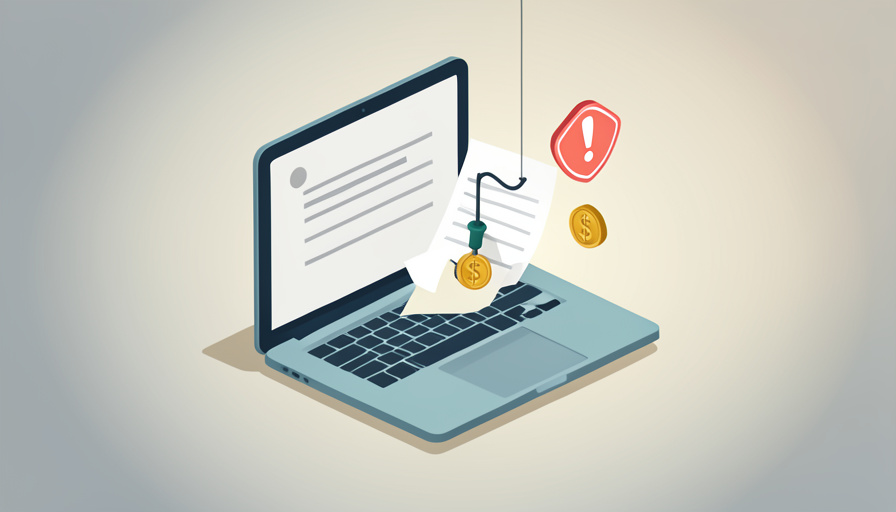
The post keeps showing up: “Get paid $31 an hour to review documents from home. No experience needed.” It sounds like the easiest money you will ever make, which is exactly why thousands of people share it and a share of them get burned. The job is real-sounding, the pay is oddly specific, and the recruiter replies in minutes.
The review documents from home scam has a recognizable shape: a too-easy job, a suspiciously round hourly rate, and a hiring process that lives entirely in a chat app. Genuine document-review work does exist, mostly in legal e-discovery, but it looks nothing like the viral ads. Here is how to tell the con from a real job, how the scam actually takes your money or data, and what to do if one has already reached you.
Quick Take
- The viral “$31/hour to review documents” ads are overwhelmingly bait, not real listings, even though real document-review jobs exist.
- The clearest red flags are upfront fees, chat-only hiring, and requests for your Social Security number or bank details before any real offer.
- Never pay to get a job, and report scam listings to the FTC so others see the warning.
This article is general information, not legal or financial advice. Scam tactics change quickly, and this cannot cover every variation. If you have lost money or shared sensitive information, contact your bank, and report to the FTC and your state attorney general for guidance specific to your situation.
Table of Contents
So Is It a Scam?
The specific viral version, the round-number hourly rate, no experience, apply through a link or a text, is almost always a scam or a bait post that harvests your information. Legitimate document review is a real field, especially legal e-discovery, where staffing agencies hire reviewers for litigation projects. But those roles involve resumes, real interviews, and often a background check the employer pays for, not a recruiter who hires you after four messages. When an ad promises easy money for trivial work and rushes you, treat it as a scam until proven otherwise.
The Red Flags
Run any “review documents” offer through this list. One red flag is enough to walk away:
- Any upfront payment. Fees for equipment, training, certification, software, or a background check mean a scam. Real employers pay you, never the reverse.
- Chat-only hiring. Being offered a job after a few messages on WhatsApp, Telegram, or text, with no video interview, is a hallmark of the con.
- A non-company email. Recruiters writing from Gmail or Yahoo rather than a company domain, with odd grammar, are not a real HR team.
- Requests for sensitive data too early. Being asked for your Social Security number, bank account, or a photo of your ID before a verified offer is a data grab.
- Pay that makes no sense. A high, oddly precise rate for no-experience work is designed to trigger excitement and shut off skepticism.
- Pressure and urgency. “Start today, only a few spots left” exists to stop you from checking whether the company is real.
How the Scam Actually Plays Out
The trap usually springs one of a few ways. In a fake-check scheme, the “employer” mails you a check to buy equipment, then asks you to send the extra back; the check later bounces and you are out the money you forwarded. In a task scam, you are asked to send a small deposit to unlock the work or your earnings, often in cryptocurrency, and once you pay, they vanish. Others simply want your data, funneling you to a slick but fake onboarding portal that collects your Social Security number and bank details for identity theft.
What a Legitimate Document-Review Job Looks Like
Real reviewer work sets itself apart quickly. It is usually posted by a named staffing agency or law firm, lists specific qualifications, and moves through an actual application, a resume, and an interview you can verify. Pay is delivered as a normal paycheck with tax paperwork, never through gift cards or crypto, and you are never asked to pay anything to start. If a role checks out on the company’s own website and a real person will speak with you on video, those are the signs of a genuine opportunity rather than a script.
What to Do
Protect the basics first: never pay to get a job, and never share your Social Security number, bank details, or ID copies until you have verified the employer and hold a legitimate written offer. Look up the company independently rather than trusting the link you were sent. If you spot a scam listing or have lost money, report it to the FTC’s fraud reporting site and review its guidance on job scams, then tell your bank if any financial information was shared.
Frequently Asked Questions
Are all document-review jobs fake?
No. Legal e-discovery document review is a legitimate field where agencies hire reviewers for real litigation projects, sometimes at solid hourly rates. The difference is the process: real roles require a resume, a genuine interview, and verifiable employers, and they never ask you to pay to start. The scam is the viral, no-experience, apply-by-text version, not the concept of paid document review itself. Verify the employer and the process, and you can tell them apart.
Why do these ads use such a specific hourly rate?
A precise number like $31 an hour feels more real than a round figure and lands in a sweet spot: high enough to excite, low enough to seem plausible for simple work. That is deliberate. Scam ads are engineered to trigger a quick emotional yes before your skepticism kicks in. The oddly exact, attractive rate paired with no experience required should raise suspicion rather than lower it.
I already gave them my name and email. Am I in danger?
A name and email alone are low-risk, though you may see more scam and phishing attempts, so be cautious with messages that follow. The real danger is if you shared your Social Security number, bank account, ID images, or money. If you did, contact your bank, consider a credit freeze, watch your accounts, and report the incident. Acting quickly limits the damage far more than waiting to see what happens.
How do I check whether a company is real?
Search the company independently rather than using any link or number the recruiter gave you. Find its official website, confirm the job appears there, and look up the recruiter’s name and email domain. A legitimate employer has a traceable presence, a professional email domain, and a process that welcomes your questions. If the only proof the company exists is the message that contacted you, that is a strong sign it does not.
Real Jobs Do Not Ask You to Pay
The “review documents from home” pitch works because it dangles easy money at people who need it, and it counts on excitement outrunning caution. Hold onto one rule and the whole category collapses: a real employer pays you, verifies you through a real process, and never asks for a fee or your bank details up front. Legitimate document review exists, but it does not arrive as an unsolicited text with a link. Verify before you engage, guard your data, and report the fakes. For more on protecting your money and your work, browse Wayodd’s Business & Markets section.