
You picked the walk-in clinic because it was quick and looked cheap. Then, weeks later, a bill lands for a “facility fee” you never heard of, on a visit your insurance said was in-network. The care took twenty minutes; the paperwork is still costing you.
The urgent care vs retail clinic choice looks like it is only about convenience, until a bill arrives for far more than you expected. Both are in-network walk-in options, but they are billed very differently, and an in-network visit is not the same as a fully predictable one. This guide explains why the surprise happens, the codes and fees to watch for, and gives you a coverage checklist and a call script to catch problems before they become a bill.
Quick Take
- Retail clinics inside a pharmacy or store are usually cheaper and priced like a simple office visit; hospital-affiliated urgent care can add a separate facility fee.
- Being in-network limits your cost-sharing but does not stop a facility fee, a higher visit level, or an out-of-network lab from raising the bill.
- Ask about facility fees and where labs are sent before the visit, and read the CPT codes on the bill after it.
Table of Contents
The Real Difference in How They Bill
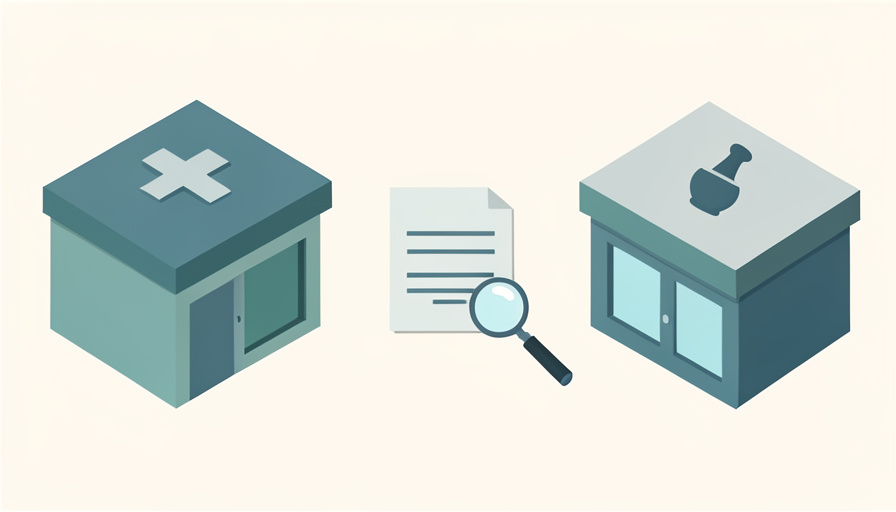
A retail clinic is the small walk-in spot inside a pharmacy or big-box store, staffed by a nurse practitioner or physician assistant, handling minor illnesses, vaccines, and screenings. It usually bills like a straightforward office visit with transparent, lower prices. A national chain has said its clinic pricing runs roughly 40 percent below urgent care for comparable services, and a typical urgent care visit runs about 100 to 200 dollars before any extras.
An urgent care center does more: X-rays, stitches, and on-site labs, often with a physician on staff. That wider scope costs more, and here is the part that catches people out. Some urgent care centers are owned by or affiliated with a hospital and bill on a provider-based model, which adds a separate facility fee on top of the visit charge. Two clinics that look identical from the parking lot can bill in completely different ways.
Why an In-Network Visit Still Surprises You
In-network protects you from balance billing and caps your cost-sharing, but it does not flatten every charge. A surprise bill after an in-network walk-in usually comes from one of these:
- A facility fee. A hospital-affiliated urgent care can bill a facility charge in addition to the visit, so you get two lines, or two bills, for one appointment.
- A higher visit level. The provider codes the visit by complexity, and a level-four visit costs more than a level-three, even for what felt like a quick look.
- Out-of-network labs or imaging. The clinic is in-network, but the outside lab it sends your swab to may not be, so a separate bill arrives from a company you never saw.
- Non-covered services. A test your plan does not cover, or one coded as screening rather than diagnostic, can land entirely on you.
The federal No Surprises Act helps, but knowing its edges matters. It bans surprise bills for most emergency care and for out-of-network providers who treat you at an in-network facility, and it caps your cost-sharing in those cases. The CMS explains these rights against surprise bills. What it does not do is erase an in-network facility fee or the cost difference between a retail clinic and an urgent care, so those remain yours to check for in advance.
This article is general information, not medical, legal, or financial advice. Insurance plans, billing practices, and the codes below vary and change, and your own coverage decides what you owe. For a specific bill or coverage question, contact your insurer or a qualified professional, and confirm details with your plan before acting.
CPT Codes to Look For on the Bill
After a visit, ask for an itemized bill and read the codes. You do not need to be a coder to spot what drove the total. Common examples you might see include:
- Office visit level (99202 to 99205, or 99212 to 99215). These are the evaluation-and-management codes for a new or established patient. A higher number means a more complex, more expensive visit.
- Urgent care add-on (S9083 or S9088). Some plans see an urgent-care-specific code billed alongside the visit, either as a flat case rate or an add-on for being seen in an urgent care center.
- On-site tests. A rapid strep test is often 87880, a rapid flu test 87804, and a basic urinalysis 81002 or 81003, each a separate line.
- Imaging. An X-ray, such as 73610 for an ankle, is billed on its own, and if read by an outside radiologist, that reading may be a separate charge.
- A facility fee. On a provider-based bill this shows as a separate hospital or clinic facility line rather than a CPT code, and it is the one most worth questioning.
Your Coverage-Check Checklist Before You Go
- Confirm it is in-network. Check the specific clinic on your insurer’s directory or by calling, rather than trusting the brand name.
- Ask if it is hospital-affiliated. A clinic owned by a hospital or health system is more likely to bill a facility fee, so ask directly whether one applies.
- Ask where labs and imaging go. Find out if tests are run in-house and whether any outside lab or radiologist is in your network.
- Compare your copays. Check your plan’s urgent care copay against its office-visit copay, since a retail clinic is often billed as the cheaper office visit.
- Request an estimate. If you are uninsured or paying yourself, ask for a good-faith estimate in writing, and ask about the self-pay discount many urgent cares offer but rarely advertise.
A Call Script for the Clinic and Your Insurer
Before the visit, call the clinic and ask: “Are you in-network with my plan, are you hospital-affiliated, and do you bill a separate facility fee? If I need a lab or X-ray, is it done here, and is the lab in my network?” Then call your insurer: “Is this specific location in-network, what is my copay for this kind of visit, and would a facility fee be covered?”
If a surprise bill arrives, call and say: “Please send an itemized bill with all CPT codes. I want to understand this facility fee and confirm each charge was processed in-network.” Then ask your insurer to review how it was processed, request that an out-of-network lab charge be reprocessed, and if a self-pay estimate was exceeded by more than the federal threshold, ask about the dispute process. The Consumer Financial Protection Bureau outlines your surprise-bill rights if you need to escalate.
The Takeaways
- Retail clinics are usually cheaper and billed like an office visit; urgent care does more and can add a facility fee.
- In-network caps your cost-sharing but does not stop facility fees, higher visit levels, or out-of-network labs.
- The No Surprises Act covers emergencies and out-of-network providers at in-network facilities, not routine walk-in cost gaps.
- Ask about facility fees and lab networks before you go, and read the CPT codes on the itemized bill after.
Frequently Asked Questions
Is a retail clinic cheaper than urgent care?
Usually, yes, for the minor issues both can handle. Retail clinics inside pharmacies are typically priced like a simple office visit and can run well below urgent care for comparable care. Urgent care costs more because it does more, and a hospital-affiliated one may add a facility fee. For a sore throat or a vaccine, the retail clinic is often the cheaper, more predictable choice.
Why did I get a facility fee at an in-network urgent care?
Because some urgent care centers are owned by a hospital or health system and bill on a provider-based model, which adds a separate facility charge on top of the visit. Being in-network limits your cost-sharing but does not remove that fee. Ask before the visit whether a clinic is hospital-affiliated and bills a facility fee, since two similar clinics can differ.
Does the No Surprises Act cover urgent care bills?
Only partly. The No Surprises Act bans surprise bills for most emergency services and for out-of-network providers who treat you at an in-network facility, and it caps your cost-sharing in those situations. It does not erase an in-network facility fee or the normal cost difference between a retail clinic and urgent care, so routine walk-in charges are not fully covered by it.
What CPT codes should I look for on an urgent care bill?
Start with the office-visit codes, 99202 to 99205 for new patients or 99212 to 99215 for established ones, since the level drives the cost. Watch for an urgent-care code like S9083 or S9088, separate lines for tests such as 87880 for strep, and a facility fee shown as its own line. Ask for an itemized bill so every code is visible.
How do I dispute a surprise medical bill?
Request an itemized bill with CPT codes, then ask your insurer to review how each charge was processed, especially any out-of-network lab. Confirm whether the No Surprises Act applies to your situation, and if you had a good-faith estimate that was exceeded by more than the federal threshold, ask about the dispute process. Keep notes of every call, including names and dates.
Ask First, Read the Codes After
The gap between a retail clinic and an urgent care comes down to how they bill, more than what they treat. A retail clinic tends to be the cheaper, tidier bill for minor care, while an urgent care does more and can carry a facility fee you never see coming. Being in-network is a floor, not a guarantee, so ask about facility fees and lab networks before you walk in, and read the itemized codes if a bill surprises you. A few questions up front are cheaper than a dispute later. For more on health and everyday costs, browse Wayodd’s Health section.