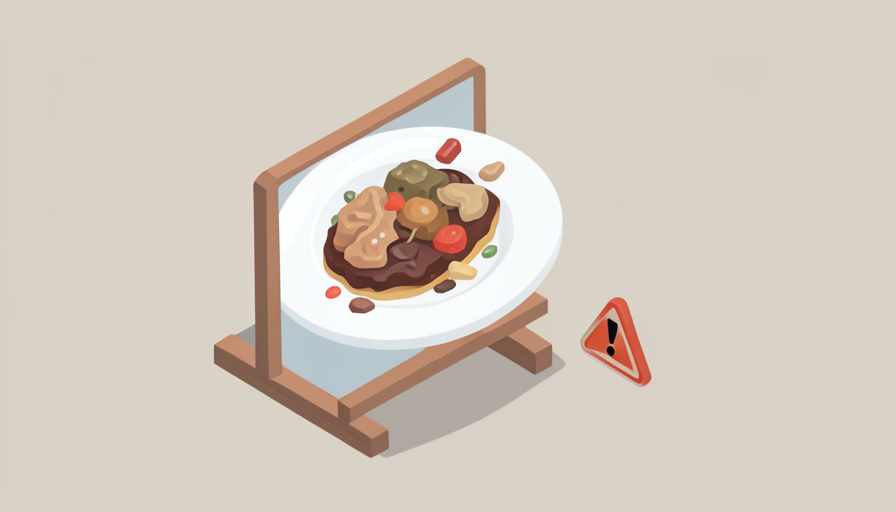

The uncanny shrimp that looks like a tiny pool float is not a picture of your dinner. It is a warning label.
The AI menu photos diner backlash has a simple trigger. Restaurants are swapping real food photography for AI-generated images, and the results often look wrong in ways people catch in a second: warped textures, sauces with a plastic sheen, a burrito filling that belongs in a horror trailer. This is a plain rundown of what is happening, why the pictures look off, how to spot them, and what the pushback says about trust between a kitchen and the people it feeds.
The Quick Bite
- Cheap AI image tools have put synthetic, often unappetizing food pictures on real menus, delivery apps, and storefront signs through 2026.
- Diners describe the images as uncanny and gross, and many read them as a red flag about the food and the honesty behind it.
- The fix costs almost nothing: a phone camera and a real plate of the actual dish.
Table of Contents
What Is Actually Happening
Start with the plain version. Generative image tools got cheap, fast, and in some cases free, so a slice of restaurants started using them to make menu pictures instead of paying a photographer or shooting the food themselves. Those images have spread from delivery apps to printed menus and even to signs in the window.
Coverage of the trend picked up sharply in late summer 2026. NBC News and CNN both documented AI food pictures jumping from the internet onto real-life menus, with examples like shrimp that resemble miniature life preservers and “protein” plates that look dusted with insects. The word people kept reaching for was “slop.”
Why the Photos Look Off
Here is the core problem. Image models are guessing at what food looks like from patterns, rather than photographing a specific plate, so they tend to get the small things wrong. Rice grains melt together, a lemon wedge grows an extra edge, and cheese drapes at an angle gravity would not allow. Your brain clocks the mistake before you can name it.
That queasy, hard-to-place feeling has a name, the uncanny valley, and food may be its worst arena. We have all eaten thousands of meals, so we are quiet experts on how a fried egg or a taco should sit on a plate. When the picture is almost right but subtly broken, appetite drains out of it. A scientist quoted by CNN made the point that our deep familiarity with food is exactly why the fakes register as so unsettling.
How to Spot an AI Menu Photo
Once you know the tells, they are hard to unsee. Run through this quick checklist the next time a picture on a menu gives you pause:
- Count the items. AI often adds a stray shrimp, an extra bean, or a garnish that shows up twice.
- Look at textures up close. Real food has crumbs and steam; fake food looks glazed, waxy, or oddly smooth.
- Check the edges and geometry. Plates warp, forks bend, and a table line drifts where two objects meet.
- Read any text in the image, since garbled letters on a label or a wrapper are a giveaway.
- Ask whether it looks too generic, because a dish with studio-perfect lighting and no specific detail may be conjured from nothing.
Why Diners Are Reacting So Strongly
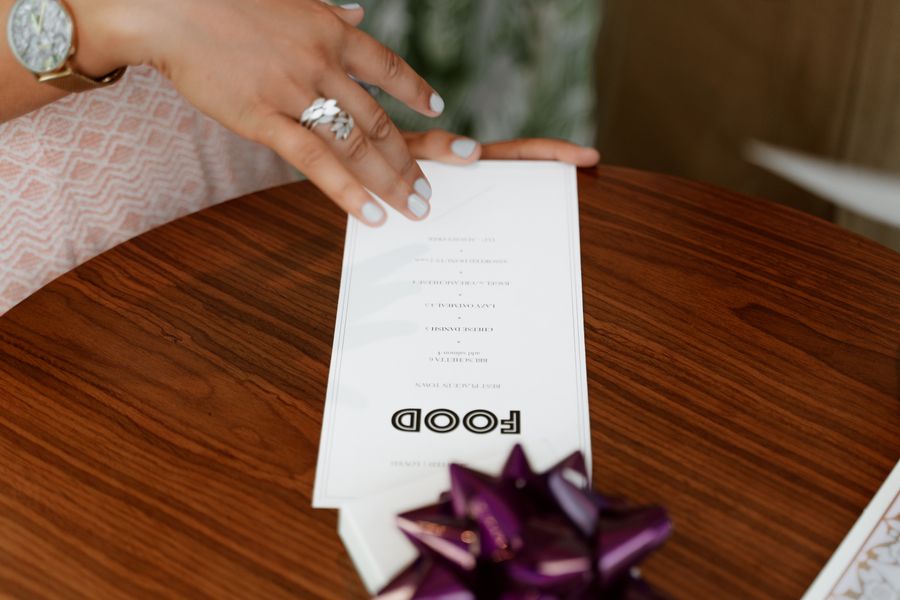
The anger runs hotter than “the picture is ugly,” and it helps to understand why. A menu photo is a promise about what will land on the table, so a fake one reads as a small lie told before you have even ordered. On Reddit, a post titled “Local restaurant uses AI menu photos of horrifying food” pulled hundreds of comments, and threads on r/isthisAI fill up with diners asking whether the rice or the sauce in a picture is even real.
On X the reactions are blunter. “If your restaurant uses AI photos on its menu I’m just going to assume that food will kill me,” one widely shared post read. Another diner said the menu images left them feeling nauseous and unsure whether to order at all. Underneath the jokes sits a real worry about truth in advertising: if the picture is invented, what else about the meal is being oversold?
The Cost Argument, and the Backlash to the Backlash
To be fair to restaurants, the pull is obvious. Food photography costs money and time that thin margins do not always allow, and roughly a quarter of restaurant owners now report using AI somewhere in their operations, most often for marketing. For a tiny cafe, a free image generator can feel like a gift.
Actually, the math is where the argument falls apart. The cheap image stays cheap only until it costs you a customer who walks out, and plenty are walking. Some owners have leaned the other way on purpose, posting that they will never use AI and replacing slick renders with wobbly hand-drawn sketches of their burgers. Diners have rewarded that honesty, which tells you the real currency here is trust rather than polish.
What to Chew On
- AI menu photos spread onto real menus in 2026 because the tools got cheap, and the backlash followed because the images look wrong.
- The tells are countable: extra items, waxy textures, warped edges, garbled text.
- The reaction is about trust as much as taste, since a fake photo reads as a promise the kitchen may not keep.
- The cheapest fix already sits in the owner’s pocket, and going openly no-AI has become its own selling point.
Frequently Asked Questions
Why do AI food photos look so unappetizing?
Image models generate food from learned patterns rather than photographing a real plate, so they get small details wrong: melted-together rice, waxy textures, impossible geometry. Because people are deeply familiar with how food should look, these subtle errors trigger the uncanny-valley feeling and kill appetite.
Is it legal for restaurants to use AI menu photos?
Using AI images is not illegal by itself, but rules against deceptive advertising still apply. If a generated photo misrepresents what a customer actually receives, it can raise truth-in-advertising concerns. For most restaurants the sharper risk is reputational, since diners increasingly treat the images as a red flag.
How can I tell if a menu photo is AI-generated?
Look for extra or duplicated items, waxy or plastic-looking textures, warped edges and utensils, and garbled text on any labels. Overly generic, studio-perfect dishes with no specific detail are also suspect. Once you notice these tells, spotting AI food images gets much easier.
Why are diners so angry about it?
A menu photo is a promise about the meal, so a fake one feels like a small deception before ordering. Beyond the ick factor, people worry that a restaurant cutting corners on its own photos may be cutting corners on the food itself, which erodes trust quickly.
Are all restaurants using AI photos?
No. Surveys suggest a bit over a quarter of restaurant owners use AI somewhere, mostly for marketing, and only some of those use it for menu images. A visible counter-trend has restaurants advertising that they never use AI, sometimes with hand-drawn art, and diners have responded well to it.
Order With Your Eyes Open
The lesson of the AI menu photo mess is oddly old-fashioned. People want to know the picture matches the plate, and a synthetic image breaks that little contract before the food arrives. If a menu shows you a dish that feels slightly haunted, trust the reaction, because a lot of other diners are having the same one. For more on food trends and dining, browse Wayodd’s Foods & Recipies section. When the photo looks fake, the safest move is to ask a human what the dish really looks like.






















No Comments
Leave a comment Cancel