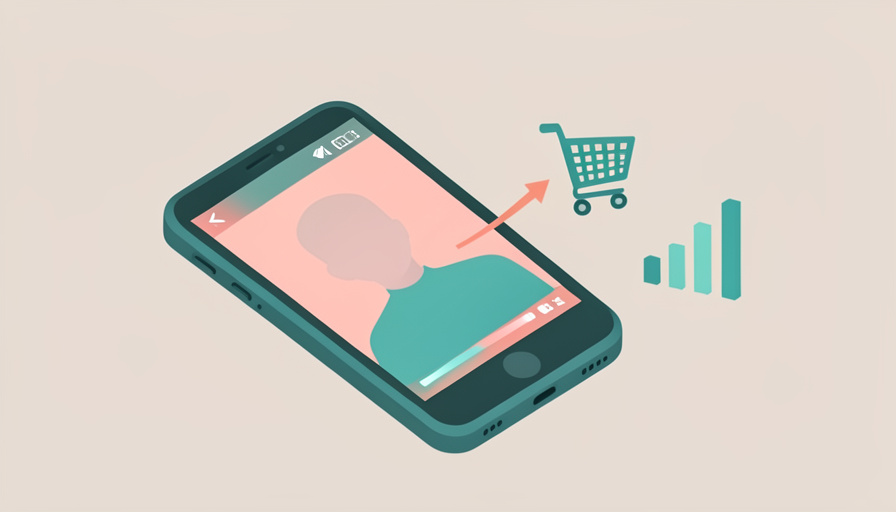

A single skincare live stream did big numbers, and marketers everywhere pulled out a notebook. The event was the show; the real product was the format.
The ELEMIS live shopping campaign that lit up TikTok in September is being read as a template other beauty brands can copy. We covered the event itself, the ELEMIS and Freen Sarocha stream, in a separate piece on the campaign. This one is about the machine underneath: why live shopping converts the way it does, the repeatable playbook brands are lifting from it, and what the shift changes for the people watching and buying.
The Receipt
- The ELEMIS stream works as a template: a trusted creator, a timed event, a live demo, and a buy button in one place.
- Live shopping converts far above normal online retail, which is why beauty brands treat it as a real channel rather than a stunt.
- For brands it changes strategy and risk; for buyers it changes the speed and pressure of a purchase.
Table of Contents
From One Campaign to a Template
Strip the ELEMIS event down and you get a formula any brand can run. It paired a creator with a devoted audience, Freen Sarocha, with a date that already means shopping in much of Asia, the 9.9 sale, and built a live demo of a single hero product around it. The pieces are simple, which is exactly why they travel.
That repeatability is the story. A one-off viral moment is luck, but a template is a plan, and marketers can see the parts clearly enough to reassemble them for a different brand, creator, and date. When people call the ELEMIS stream a blueprint, this is what they mean.
The Live Shopping Playbook
The recurring ingredients are worth listing, because the same checklist shows up whether the product is a cleanser or a coffee maker:
- A creator or host whose audience already trusts them.
- A timed event, often tied to a sale date, that gives people a reason to show up live.
- A real demonstration of one or two hero products, rather than a whole catalog.
- Limited-time offers or bundles that reward buying during the stream.
- A checkout built into the video, so interest turns into a purchase without a detour.
Why Live Shopping Converts So Well
The numbers explain the enthusiasm. Where a typical online store converts around two to three percent of visitors, live shopping events tend to convert far higher, with reported rates starting near nine percent and climbing well beyond it. A format that turns more watchers into buyers is one every retailer wants to understand.
The reasons are human, not technical. A live host answers questions in real time, which removes the doubt that stalls an online cart. A countdown and a limited offer add urgency. And a trusted face makes the pitch feel like advice. Add a channel that is growing quickly in the United States, and the appeal to brands is easy to see.
What Changes for Brands
For a brand, adopting this is a real shift, not a new ad slot. The center of gravity moves from a polished commercial the brand controls to a live event a creator largely carries, which means building genuine creator relationships rather than renting a face for a day. It also raises the operational bar, since a stream needs live customer service, inventory that can handle a sudden rush, and a team ready to react in the moment.
There is a risk worth naming too. Leaning on a platform like TikTok for sales means living with that platform’s rules and reach, and tying a launch to one creator concentrates a lot on a single relationship. The upside is high, but so is the dependence, and the brands doing this well plan for both rather than only chasing the conversion rate.
What Changes for Buyers
On the other side of the screen, the same design that helps brands also speeds you up. A live stream compresses the decision on purpose, with a countdown, a limited bundle, and a host you like all pushing toward buying now instead of later. That is not a trick exactly, but it is a nudge, and it works.
The reasonable response is not to avoid live shopping, it is to shop it awake. Note the real price and size, ask whether you wanted the product before the stream started, and remember that a genuine deal is still there after the confetti. Enjoyed with a clear head, the format is a fun way to buy; treated as a reason to rush, it is how impulse purchases happen.
Worth Bookmarking
- The ELEMIS stream is being copied as a template: creator, timed event, live demo, and built-in checkout.
- Live shopping converts well above standard online retail, which is why brands treat it as a channel.
- For brands it means real creator partnerships, live operations, and platform dependence.
- For buyers it means more urgency, so shopping with a clear head matters.
Frequently Asked Questions
What made the ELEMIS live shopping campaign a template?
It combined a trusted creator, a timed sale date, a live product demo, and in-stream checkout, a set of pieces any brand can reassemble. Because the formula is simple and repeatable, marketers treat it as a blueprint rather than a one-off viral moment.
How well does live shopping convert compared to normal ecommerce?
Standard online stores usually convert around two to three percent of visitors, while live shopping events convert far higher, with widely reported rates starting near nine percent and climbing beyond it. The real-time interaction and urgency are the main reasons.
Why does live shopping convert so much better?
A live host answers questions instantly, which removes hesitation, while limited-time offers and countdowns add urgency and a trusted creator makes the recommendation feel personal. Together those factors turn more viewers into buyers than a static product page does.
What does live shopping change for brands?
It shifts spending from controlled ads toward creator-led events, raises the need for live customer service and responsive inventory, and creates dependence on a platform and a creator relationship. The payoff is higher conversion, alongside new operational and platform risks.
How should shoppers approach a live shopping stream?
Enjoy it, but shop with a clear head. Check the actual price and size, decide whether you wanted the product before the stream, and remember that a real deal is still available afterward. The format is built to encourage fast decisions, so a little pause protects your budget.
The New Storefront
Live shopping is turning a video into a storefront, and the ELEMIS stream showed how cleanly the pieces fit when a brand runs the play well. For brands it is a genuine channel with genuine demands, and for shoppers it is a livelier, faster way to buy that rewards a steady hand. For more on beauty and commerce trends, browse Wayodd’s Beauty section. The storefront moved into the feed, and it is not moving back.






































No Comments
Leave a comment Cancel