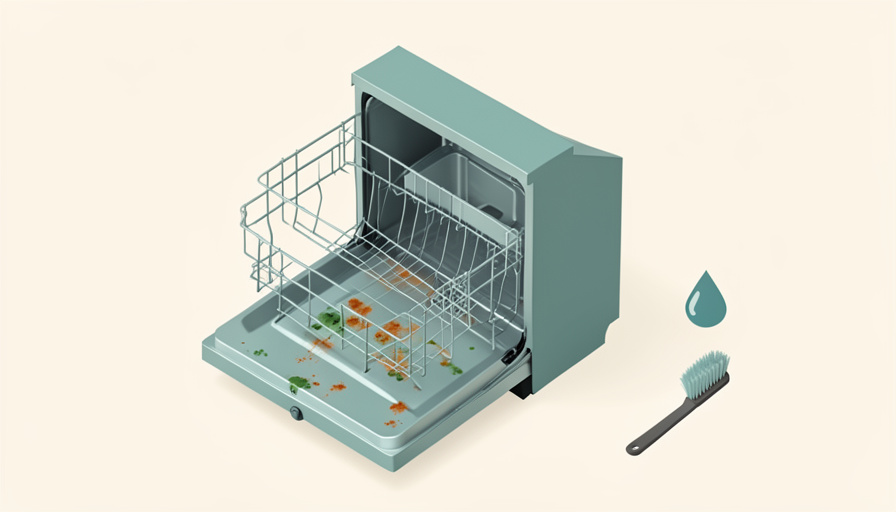

Nothing unites the internet like a photo of an expensive machine falling apart years before it should.
A viral image of a dishwasher rotting after four years racked up thousands of comments, and it touched a real nerve about how long appliances actually last now. Before you panic about your own machine, it helps to know what people usually mean by rotting, because it is rarely literal. In most of these posts, the culprit is mold, mildew, and rust rather than a dead motor. That distinction matters, because a moldy, rusty dishwasher is often fixable, while a truly failed one is a replacement. Here is what is really going on, why it shows up so early, and how to keep yours out of the next viral thread.
In Short
- The rotting in these viral posts is usually mold, mildew, and rust on the racks or tub, not a total mechanical failure.
- Dishwashers are built to last around 10 years, but many show cosmetic decay within a few years due to trapped moisture, hard water, and skipped maintenance.
- Most of it is preventable with basic upkeep, and warranties often cover the tub against rust-through even after the main coverage ends.
Table of Contents
What “Rotting” Actually Means
The word rotting does a lot of dramatic work in these posts, so start by translating it. The dishwasher that went viral, and most of the ones people share alongside it, are showing two things: black or pink mold around the door seal and filter, and orange rust where the rack coating has chipped or the tub has scratched. Neither is the machine dying. Both are surfaces going bad.
That is genuinely good news for most owners. A mold problem is a cleaning problem, and surface rust on a rack is a rack problem, not a whole-appliance problem. The posts that actually signal a dead dishwasher are different: standing water that will not drain, leaks underneath, or a control panel that stops responding. If your complaint is smell and stains, you are looking at maintenance, not a funeral.
Why It Happens So Soon
A dishwasher is a warm, damp, sealed box that you fill with food scraps and then close for hours. Mold could not ask for a better home. The most common reason a four-year-old machine looks rotten is simply that the filter and door seal never get cleaned, so residue builds and moisture never dries out between cycles.
There is a second factor worth naming carefully. Some repair technicians argue that modern efficiency rules, which cut the water and heat a cycle uses, leave more residue behind and give mold more to work with. It is a debated point rather than a settled fact, and it sits alongside hard water and build quality as one of several contributors. The honest summary is that appliances are expected to last a decade or more with care, but real-world habits and conditions often cut that short.
How to Slow It Down
Most of the decay in those photos is preventable, and none of the fixes are hard. A short routine keeps a dishwasher looking and smelling far younger than its age:
- Clean the filter at the bottom every few weeks, since trapped food is the main source of odor and mold.
- Wipe the rubber door seal and gasket regularly, because that hidden fold is where mold hides first.
- Run an empty hot cycle with a dishwasher cleaner or plain white vinegar about once a month.
- Leave the door cracked open after a cycle so the inside can actually dry out.
- Scrape plates before loading, and if your water is hard, consider a rinse aid to cut mineral buildup.
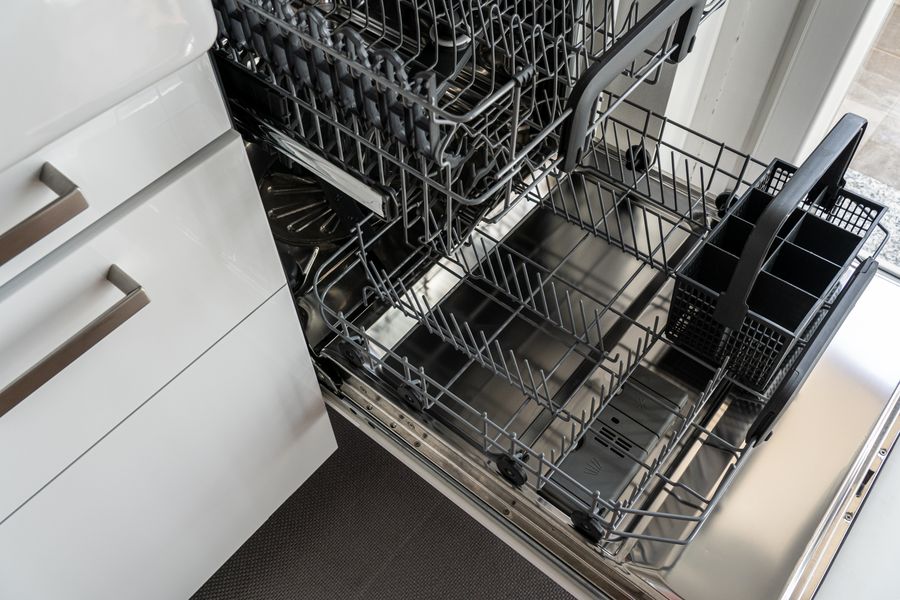
Repair, Replace, or Use the Warranty
Once you know whether the problem is cosmetic or mechanical, the decision gets easier. This table sorts the common complaints:
| What you are seeing | What it usually means |
|---|---|
| Mold on the seal, smell after cycles | Cleaning issue, fixable in an afternoon |
| Surface rust on the racks | Rack coating wear; replace the rack, not the machine |
| Rust bleeding through the tub itself | Check the warranty; tub liners often have long rust coverage |
| Won’t drain, leaks, dead controls | Real failure; weigh repair cost against replacement |
The warranty angle is the part people forget. A typical dishwasher carries a one-year full warranty, but select parts can be covered longer, and many stainless tubs come with lifetime coverage against rust-through. If your tub is actually corroding, that is worth a call before you buy anything.
This article is general home-maintenance information, not professional repair, health, or warranty advice. Mold can affect air quality and coverage terms vary by brand and model, so check your manufacturer’s warranty and consult a qualified technician for your specific situation.
Worth Remembering
- Rotting in these viral posts almost always means mold and rust, which are usually fixable, not fatal.
- Trapped moisture, an uncleaned filter, and hard water are the usual reasons decay shows up early.
- A monthly cleaning routine and an open door after cycles prevent most of it.
- Check your warranty before replacing, especially for tub rust, which often has long coverage.
Frequently Asked Questions
Is a dishwasher rotting after four years normal?
Visible mold and surface rust within a few years are common, especially without regular cleaning, but they are cosmetic rather than a sign the machine is dead. True mechanical failure at four years is less common. Most early rotting is a maintenance issue you can reverse.
How long should a dishwasher actually last?
With proper care, a dishwasher is generally expected to last around 10 years, and sometimes longer. Many fail sooner in practice due to hard water, heavy use, skipped maintenance, and, some technicians argue, efficiency standards that use less water and heat per cycle.
Is a moldy dishwasher safe to use?
A little mold on the seal is common and usually clears with cleaning, but heavy or recurring mold can affect odor and air quality. Clean the filter, gasket, and interior thoroughly, and if the smell persists after cleaning, have it looked at rather than ignoring it.
Can I stop my dishwasher from rusting?
You can slow it a lot. Avoid letting chipped racks expose bare metal, use rinse aid if your water is hard, and address scratches on the tub early. If rust is coming through the tub itself, check the warranty, since many tubs are covered against rust-through for the life of the unit.
Should I repair or replace a rotting dishwasher?
If the issue is mold or rack rust, clean or replace the part and keep the machine. If it will not drain, leaks, or the controls fail, compare the repair estimate to the price of a new unit. A repair costing more than about half a replacement usually favors replacing.
In the End
The viral rotting dishwasher is a useful scare, because it gets people to actually open the filter for once. The truth is less alarming than the photo: most of that decay is mold and rust you can clean or swap out, and the machine underneath is often fine. Give it a monthly ten minutes and check the warranty before you panic. For more on caring for the things in your home, browse Wayodd’s Home Improvement section. A dishwasher does not rot on its own. It rots when we forget it has a filter.

























No Comments
Leave a comment Cancel