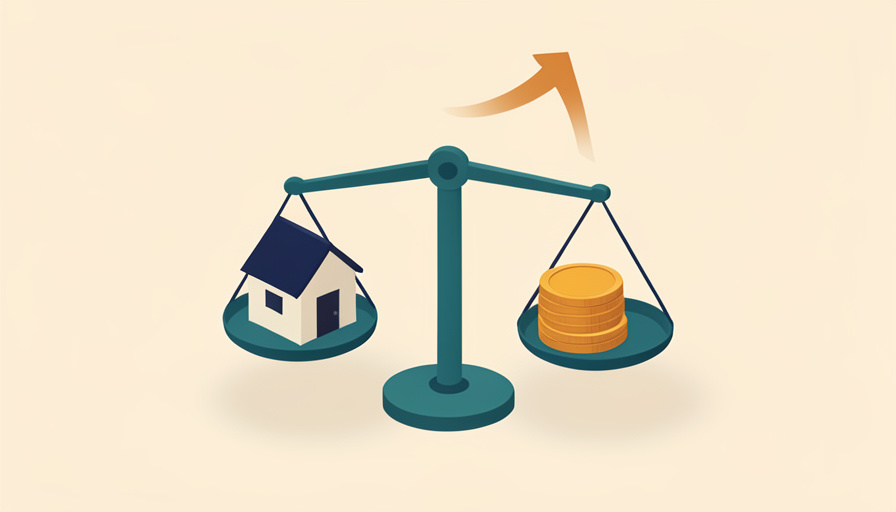

Scroll any money forum lately and the mood is the same: people running the numbers on a house, then running them again, hoping they land somewhere different.
Type home ownership affordability anxiety 2026 into a search bar and the results read like a group therapy session. Threads titled “Can we afford it?” and “How are people affording payments with 0 to 5 percent down?” pile up daily. This is not a vibe or a passing mood. The worry is tracking real math, and the math got harder. This piece looks at the data driving the dread, the specific costs buyers keep repricing, and the calmer ways people are actually responding, without pretending anyone has a magic answer.
The Short Version
- Home-ownership anxiety is dominating money threads in 2026 because prices near $400,000 and mortgage rates around 6.7 percent have pushed payments to painful levels.
- Buyers keep repricing three things: the monthly payment, the down payment, and the closing costs that catch first-timers off guard.
- Responses range from bigger down payments to low-down-payment loans to simply waiting, and none of them is a universal fix.
Table of Contents
The Anxiety Is Grounded in Real Numbers
Start with why the feeling is rational. In the first quarter of 2026, the national median price was about $403,200 for a new home and $404,300 for an existing one, according to the NAHB’s housing data. Layer on a 30-year fixed mortgage rate hovering around 6.7 percent by mid-August, and the monthly payment on a typical home is far heavier than it was a few years ago.
The income math is the part that stings. A family earning the national median income of $106,800 needed roughly 32 percent of its income to cover the payment on a median-priced new home early in 2026. The picture is worse at the entry level, where the first-time-buyer affordability index sat near 70 in the second quarter while the overall index was around 105. Harvard’s Joint Center for Housing Studies frames the same reality in its 2026 State of the Nation’s Housing: affordability is stretched hardest for the people trying to buy their first place.
What Buyers Are Actually Repricing
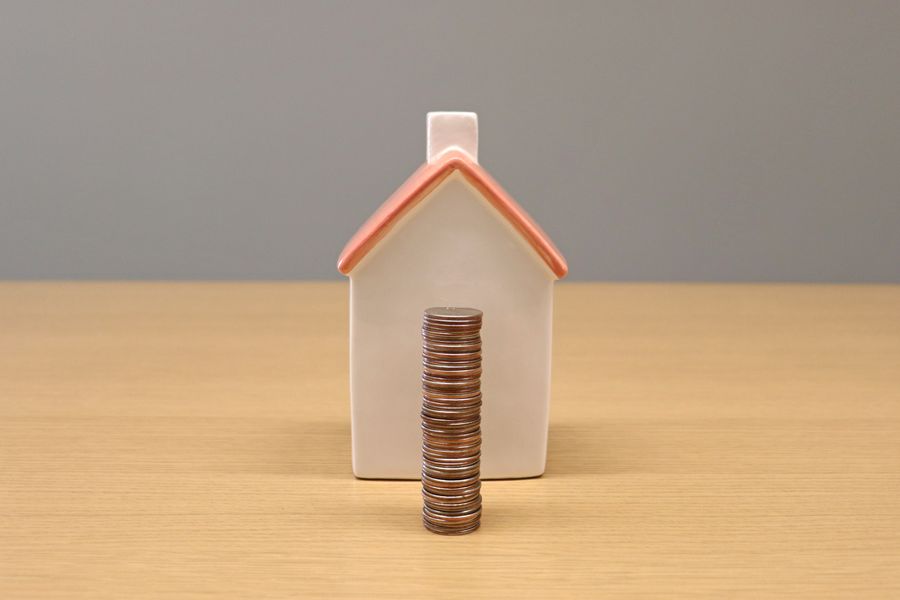
The forum threads keep circling the same three numbers, and they are not the ones headlines usually lead with. The first is the monthly payment, which at current rates can swing by hundreds of dollars on a modest change in price or rate. The second is the down payment, where the gap between a 3.5 percent minimum and a 20 percent target can mean tens of thousands of dollars and years of saving.
The third catches people off guard: closing costs. A recurring r/Mortgages theme is buyers who saved hard for a down payment, then discovered closing costs they had barely budgeted for. Wait, that ordering matters, because it flips the plan late in the process. The anxiety runs deeper than the sticker price. It sits in the stack of numbers underneath it that only becomes visible once you are deep into an offer.
| The number buyers watch | The number that surprises them |
|---|---|
| The listing price of the home | The monthly payment at a 6.7 percent rate |
| The down payment they are saving toward | Closing costs stacked on top of it |
| The interest rate on offer | The total interest paid over 30 years |
| Whether they qualify for the loan | Whether the payment fits the rest of their budget |
How People Are Responding
The interesting thing about the threads is how practical they get once the venting ends. A common move is stretching the down payment, sometimes using a larger sum to buy a home that would otherwise sit outside a comfortable salary range, which trades a smaller loan for tighter monthly cash flow. Others go the opposite way, leaning on low-down-payment options in the 3 to 5 percent range and accepting mortgage insurance to get in the door sooner.
Plenty of people simply wait, keep renting, and save, treating time as the only lever they fully control. Some widen their search to cheaper markets, and some team up with a partner or family member to combine incomes and savings. There is no single winning play here. Each path swaps one kind of pressure for another, which is exactly why the forums stay busy comparing them.
A Calm Word on the Panic
It is worth pushing back on the doomiest framing, because some of it overshoots. Posts declaring affordability “the worst in history” grab attention, and the strain is genuinely severe, but the same 2026 data showed affordability edging up slightly in the first quarter rather than falling off a cliff. The market is hard, and it is also not uniform across every city, income, and timeline.
The honest takeaway is that averages hide a lot. A median payment eating 32 percent of a median income is a real squeeze, yet your own numbers depend on where you look, what you earn, and how long you are willing to save. The anxiety is valid. The idea that the door is bolted shut for everyone, everywhere, is not quite what the figures say.
This article is general news and information, not financial advice. Your situation depends on your income, location, and goals, so consider speaking with a qualified mortgage or financial professional before making a home-buying decision.
The Essentials
- Prices near $400,000 and rates around 6.7 percent are the concrete reasons affordability anxiety is spiking in 2026.
- First-time buyers feel it most, with an affordability index near 70 against an overall reading around 105.
- Buyers reprice the payment, the down payment, and the often-underestimated closing costs.
- Responses vary widely, and every path trades one type of financial pressure for another.
Frequently Asked Questions
Why is home affordability so bad in 2026?
Two forces stack up: median home prices around $400,000 and 30-year mortgage rates near 6.7 percent by mid-2026. Together they push the monthly payment on a typical home to a level that consumes a large share of a median income, which is what fuels the anxiety.
How much of my income should go to a mortgage?
Guidance varies, but many lenders and planners look for housing costs to stay within roughly 28 to 32 percent of gross income. In early 2026, a median-income family needed about 32 percent of income for a median-priced new home, right at the edge of that range.
Are first-time buyers really worse off than other buyers?
By the numbers, yes. In the second quarter of 2026 the first-time-buyer affordability index sat near 70 while the overall index was around 105. Entry-level buyers face a larger gap because they usually have less saved and less equity to bring.
Do I need a 20 percent down payment to buy?
No. Many loans allow far less, with some options in the 3 to 5 percent range, though a smaller down payment often means mortgage insurance and a larger loan. A bigger down payment lowers the monthly cost but takes longer to save, so it is a genuine trade-off.
Should I buy now or wait?
There is no universal answer, and this is not advice for your specific case. The choice depends on your income stability, how much you have saved, local prices, and how long you can wait. Running your own numbers and talking to a professional beats reacting to headlines.
Where Buyers Stand
The flood of anxious money threads is a signal rather than noise. Real prices and real rates have made home-ownership math genuinely hard in 2026, and the people posting are doing the sensible thing by checking their numbers out loud. The useful response is to separate the panic from the arithmetic, then work your own figures with clear eyes. For more on markets and personal money, browse Wayodd’s Business & Finance section. The dread is understandable, and it is also not the same as a verdict on your particular situation.



























No Comments
Leave a comment Cancel