

Release a complete brain map to the public and something predictable happens: people start tinkering with it. That is the good part of this story.
When the open fruit fly brain map went public, the headlines went to the fly “playing” Doom. The more interesting thing was quieter: a scattered crowd of researchers, students, and hobbyists started pulling the data apart to see what they could make. Some built machine-learning models, some built browser visualizations, and yes, some wired it into video games. This piece skips the “is it really thinking” debate we covered in our explainer on the release and looks at what the community is doing with it, and how you can poke at the same data yourself.
The Quick Version
- The complete male fruit fly connectome, roughly 166,000 neurons, is free to download and explore, which set off a wave of community projects.
- Those projects span serious work like machine-learning models and locomotion research to playful demos wiring the fly into games and drones.
- Fly connectomes have a crowd-built history, so this open, tinker-friendly moment is a continuation, not a one-off.
Table of Contents
The Open Data That Started It
The spark was access. Google Research and HHMI’s Janelia released the full wiring map of a male fruit fly’s central nervous system, and they put it where anyone could reach it. You can browse the whole thing in the MaleCNS connectome, download the connectivity tables, and open the raw volumes in Neuroglancer, the free viewer built for datasets this large.
That combination of complete and downloadable is what turned a research paper into a weekend project for thousands of people. Within days, someone had repackaged the dataset in a machine-learning-friendly format on HuggingFace, keeping the original neuron IDs so others could load it without wrestling the raw files first. Open data plus a low barrier to entry is the whole reason the experiments happened at all.
What the Community Actually Built
The projects fall on a wide spectrum, and lumping them together misses the point. At one end is genuine research: teams have used the connectome to build models that drive a simulated fly’s whole-body movement, treating the wiring map as the blueprint for how the animal walks and turns. At the other end is pure play, with people hooking the fly’s inputs and outputs to games, small drones, and even a “fly in a rocket” visualization that runs every one of the roughly 166,000 neurons as it goes.
In the middle sits the most educational category: visualization. Developers have turned neuron activity into things you can watch, coloring circuits as a simulated fly navigates a 3D space so the abstract wiring becomes something a person can follow with their eyes. That visual layer is what makes a 125-million-connection dataset approachable for a student instead of a wall of numbers.
| Playful experiments | Serious reuse |
|---|---|
| Wiring the fly into games like Mario 64 and rhythm titles | Models that drive simulated whole-body movement |
| Fly-controlled drones and small robots | Machine-learning-ready datasets shared for others to build on |
| Novelty demos like a fly “in a rocket” | Activity visualizations used to teach circuit tracing |
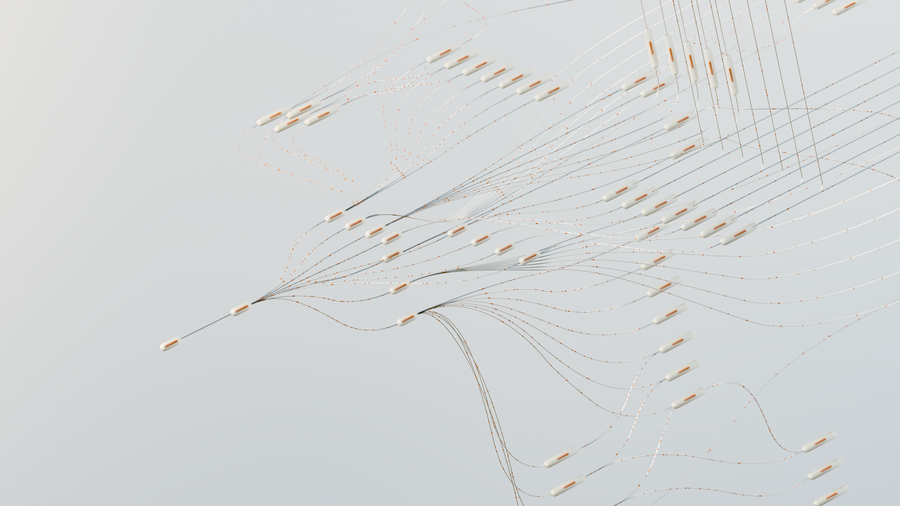
This Isn’t the First Crowd Effort
It is tempting to read this as a brand-new phenomenon, but the crowd was here before the release. An earlier full fruit fly connectome, the female brain mapped by the Princeton-led FlyWire project, was finished with real help from citizen scientists. Online volunteers played a documented part in tracing and validating neurons, proofreading AI-generated segments across more than a hundred labs.
So the current burst of tinkering is a second act. The first act asked the public to help build the map, and thousands of people did. The current one hands them the finished map and watches what they make. Seen that way, the games and visualizations are less a distraction and more the natural next chapter of a resource that was crowd-shaped from the start.
How You Can Explore It Yourself
You do not need a lab to look. The most direct route is Neuroglancer in a web browser, where you can pan and zoom around real neurons and follow their branches, no download required. It is the same tool the researchers use, which means a curious student sees exactly what a scientist sees.
From there, the community has lowered the ramp further. There are open tutorials that walk through how to pull the connectome datasets into code, and companion tools like Virtual Fly Brain that let you search for a neuron by name and see where it sits. For a classroom, the exercise almost builds itself: pick a sensory input, trace it toward a motor output, and watch a real decision path light up. The data is the textbook.
A Fair Word on the Harder Question
One thread keeps surfacing in these discussions, and it deserves an honest answer rather than a dodge. People ask whether a simulated fly brain “experiences” anything, or whether running it raises an ethical line. The measured view is that the map is structure, a diagram of connections, and that questions about perception or experience are open philosophical ones the wiring alone does not settle. It is a real conversation worth having with care, and it is not resolved by any of the demos making the rounds.
Worth Remembering
- The open fruit fly brain map is free to download, which is what enabled the wave of community projects.
- The experiments range from serious locomotion models to playful games, with visualization as the useful middle.
- Fruit fly connectomes were partly crowd-built, so public tinkering is a continuation of that tradition.
- Anyone can explore the same neurons in a browser through Neuroglancer, no lab required.
Frequently Asked Questions
What is the open fruit fly brain map?
It is the complete wiring diagram of a male fruit fly’s central nervous system, about 166,000 neurons and roughly 125 million connections, released by Google Research and HHMI’s Janelia. It is free to view, explore, and download, which is why so many people have built on it.
What are people building with the connectome?
A wide range. On the serious side, researchers have built models that drive a simulated fly’s whole-body movement and shared machine-learning-ready versions of the data. On the playful side, people have wired the fly into games, drones, and novelty demos. Visualizations sit in between.
Can I explore the fly brain map without being a scientist?
Yes. You can open the dataset in Neuroglancer, a free browser tool, and pan around real neurons without downloading anything. Community tutorials and tools like Virtual Fly Brain make it easier to find specific neurons and trace their connections.
Were citizen scientists involved in mapping fly brains?
Yes, for an earlier map. The Princeton-led FlyWire project completed a full female fruit fly connectome with help from online volunteers who traced and validated neurons across many labs. That crowd-built history is part of why the current open release invites so much tinkering.
Does a simulated fly brain actually think or feel?
The connectome is a structural map of connections, not a live, conscious brain. Whether any simulation built from it could be said to perceive or experience anything is an open philosophical question that the wiring diagram by itself does not answer.
The Long Game
The demos will keep coming, and some will be silly, but the pattern underneath is the real story. A public dataset invited a crowd, and the crowd showed up with models, visualizations, tutorials, and jokes. That is roughly how open science is supposed to work, with a complex resource turning into a hundred smaller acts of learning. For more explainers and study-friendly breakdowns, browse Wayodd’s Education section. Hand people the map, and they will find their own way around it.

















































No Comments
Leave a comment Cancel