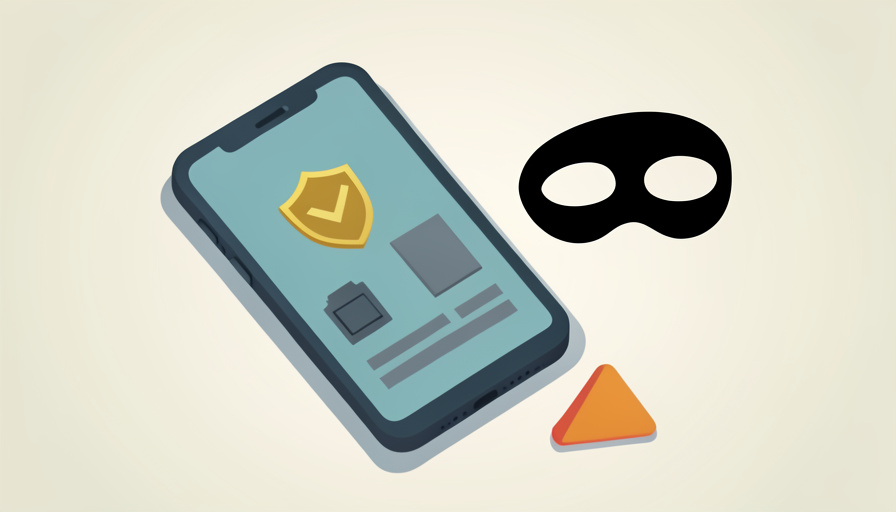

The graphics card is priced a little low, but the seller has a verified badge, a storefront, and a wall of good reviews. That badge is doing a lot of work in your head right now, quietly answering the question of whether you can trust this. It is worth knowing exactly how much that little checkmark actually promises, because it is less than it looks.
The verified seller badge scam electronics buyers keep falling for works precisely because the badge looks like proof. In reality, verification usually confirms who a seller is, or was, not that this particular listing is genuine or that the account has not been hijacked since. Trusted accounts get taken over, and their badges come along for the ride. Here is what the badge really means, how a scam hides behind it, and how to check the things it does not cover.
Quick Take
- A verified badge typically confirms a seller’s identity or business details, not the authenticity of any given item.
- Legitimate verified accounts are hijacked in account-takeover fraud, then used to run scams under a trusted name.
- For electronics especially, verify the listing and the payment, not the badge: stay on-platform and check the seller’s recent history.
Table of Contents
What a Verified Badge Actually Means
Verification varies by platform, but it generally confirms something about the seller’s identity, a business registration, a confirmed phone or email, sometimes a bank account or a document check. What it almost never confirms is that a specific listing is authentic, that the item matches the photos, or that the account is behaving the way its owner intends today. The badge is a snapshot of the past, an account that once cleared a check. It is a useful signal, not a guarantee, and treating it as a guarantee is exactly the mistake scammers count on.
How a Scam Hides Behind a Verified Seller
The most common trick is not a fake badge but a real one on a stolen account. In account-takeover fraud, criminals hijack an established seller’s login and post scam listings under its trusted name and history before the platform catches on. The FBI has reported that account takeovers drove hundreds of millions of dollars in losses in a single recent year. Once inside, an attacker can alter listings, change payout details, and steer buyers off-platform to payment methods with no protection, all while the reassuring badge stays lit.
Why Electronics Are a Favorite Target
Electronics are high-value, easy to fake, and hard to verify from a photo, which makes them ideal for this. A buyer orders a current graphics card and receives an older model, or a sealed phone box that turns out to be weighted with something else, or a counterfeit charger that is a genuine safety hazard. Refurbished units get sold as new, and serial numbers get cloned. The verified badge gives all of this a veneer of legitimacy, so a listing that would otherwise look risky feels safe enough to buy.
The Buyer’s Checklist
Verify the things the badge does not. Before you buy electronics from any seller, verified or not:
- Pay on-platform only. Keep the transaction inside the marketplace’s protected payment system, and refuse any push to Zelle, gift cards, crypto, or wire.
- Check the seller’s recent history. A sudden shift in what they sell, a burst of new listings, or fresh negative reviews can signal a hijacked account.
- Read the newest reviews first. Old praise means little if recent buyers report problems; recency matters more than the total count.
- Sanity-check the price. A current, in-demand device priced well below everyone else is the oldest bait there is.
- Ask for specifics. Request the serial number, a photo of the actual unit, and model details; a scammer running many listings often cannot provide them.
- Confirm return and protection terms. Know the platform’s buyer protection and the return window before you pay, not after.
If You Got Scammed
Act quickly. Open a dispute through the marketplace first, since on-platform payments usually carry buyer protection, and if you paid by credit card, contact your issuer about a chargeback for an item that never arrived or was not as described. Report the seller to the platform, and file a complaint with the FTC and, for online fraud, the FBI’s Internet Crime Complaint Center. The FTC’s guidance on how to avoid a scam also helps you recognize the next one before it costs you.
Frequently Asked Questions
Does a verified badge mean the marketplace stands behind the seller?
No. A verified badge is a signal the platform collected some identifying information about the seller at some point, not a warranty that the seller is trustworthy now or that the platform will cover a bad transaction beyond its standard buyer protection. Your actual safety net is the marketplace’s protection program and your payment method, not the badge. Rely on those, and treat the badge as one small input among several.
How can I tell if a verified account has been hijacked?
Look for inconsistencies. A seller who suddenly lists items far outside their usual category, posts many new listings at once, has recent reviews complaining about non-delivery, or pushes you to pay or communicate off-platform may be a hijacked account. Messages with odd grammar or urgency from a previously professional seller are another sign. When the recent behavior does not match the account’s history, the badge is not reassuring, it is camouflage.
Is it safer to buy electronics from a verified seller than an unverified one?
Slightly, but the difference is smaller than it feels, and it should not replace your own checks. A verified seller has cleared a basic hurdle an obvious scammer might not, yet verified accounts are hijacked and verified businesses can still sell counterfeits. The safer path on any account is the same: pay on-platform, inspect the listing and reviews, question a too-good price, and keep your buyer protection intact. The badge is a starting point, not a stopping point.
What payment method gives me the best protection?
Staying inside the marketplace’s own payment system usually gives you access to its buyer protection, and paying with a credit card adds the ability to dispute a charge for goods that never arrived or were misrepresented. What you want to avoid are irreversible methods like wire transfers, gift cards, and most peer-to-peer cash apps, which scammers prefer precisely because the money cannot be clawed back once sent.
Trust the Checks, Not the Checkmark
A verified badge is a genuine signal that has been quietly hollowed out by account takeovers and counterfeits, especially in electronics, where the payoff for a scammer is high. Read it as “this account once passed a check,” not “this deal is safe.” Then do the work the badge cannot: keep the payment on-platform, study the seller’s recent history, question a price that is too good, and hold onto your buyer protection. The checkmark is where your caution should start, not where it ends. For more on shopping and staying safe online, browse Wayodd’s Computing section.





















































No Comments
Leave a comment Cancel