

The eSIM apps and carriers that let you move your line or get a new phone online in minutes, without a single call to support.
Switching phones used to mean a store visit or a hold-music marathon. With an eSIM app, you can move your number or spin up a fresh data line straight from the screen, which is exactly what people want when they upgrade a phone or land in a new country. The catch is that not every provider makes it self-service. Some still route you to an agent to move a line. The eight below do it in the app, and I have sorted them by whether you want to keep your main number or just get data fast.
The eSIM apps that let you switch phones without a support call:
- US Mobile — best overall for moving your main line in-app
- Visible — best eSIM-only plan on Verizon’s network
- Google Fi — best for people who switch phones often
- Tello — best budget main line with instant eSIM
- Airalo — best travel data coverage across countries
- Saily — best cheap travel eSIM with app activation
- Holafly — best for unlimited data abroad
- Nomad — best for longer regional trips
Quick Picks
| App | Best For | Price | Self-Service Move |
|---|---|---|---|
| US Mobile | Your main number, any network | Unlimited from ~$17/mo | Move line in-app |
| Visible | Verizon network, one flat price | $25/mo, promos near $19 | Transfer number in-app |
| Google Fi | Frequent device switchers | From ~$35/mo | Switch device in Fi app |
| Tello | Budget main line | From $5/mo | Scan QR from account |
| Airalo | Travel data, most countries | From ~$4.50 for 1GB | Re-download from app |
| Saily | Cheap travel data | From $3.99 | App-push activation |
| Holafly | Unlimited data abroad | Per-trip pricing | Install from app |
| Nomad | Longer regional trips | Pay-as-you-go | Install from app |
Table of Contents
1. US Mobile
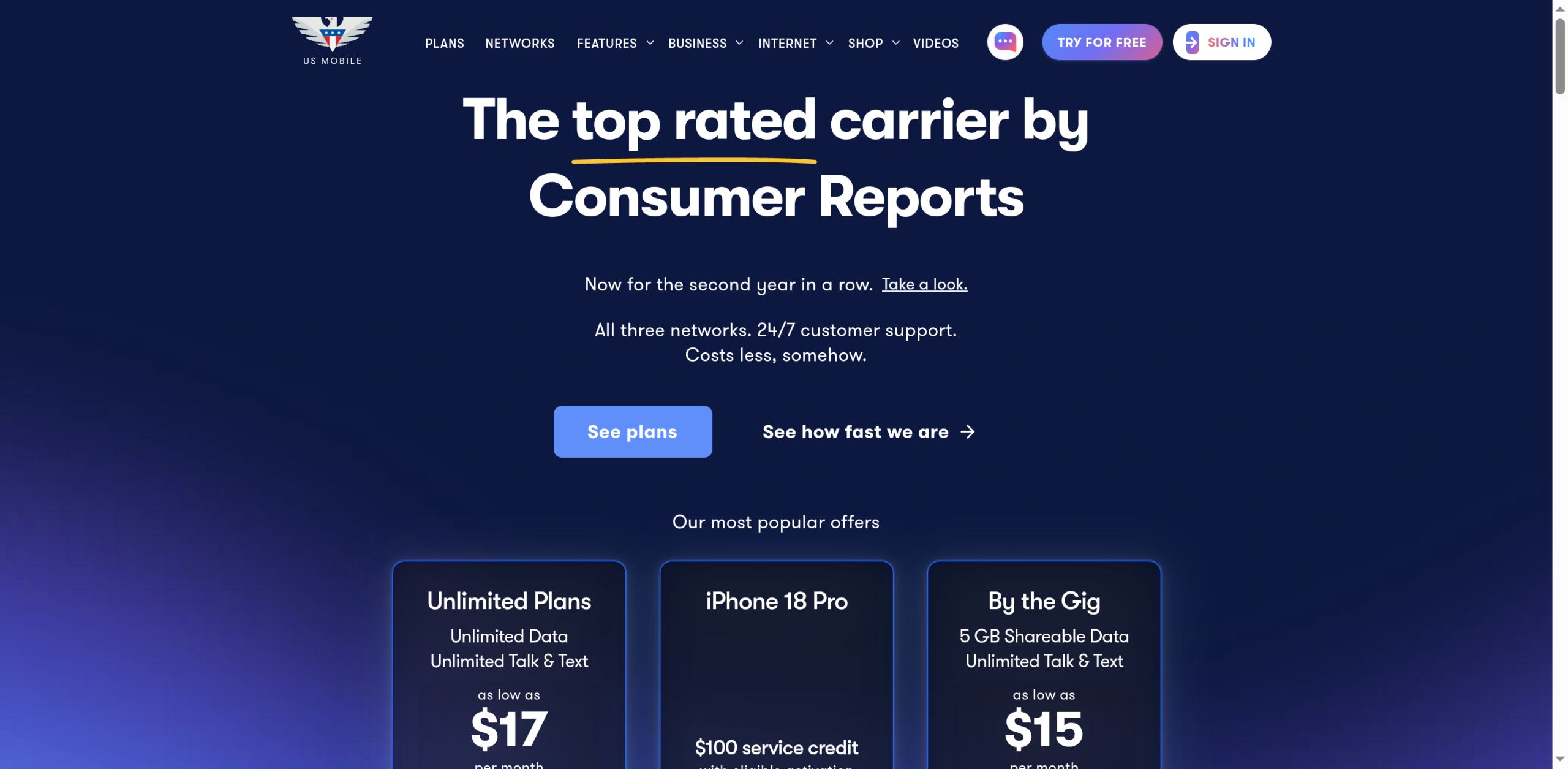
Best for: Anyone who wants to move their primary number to a new phone without touching a physical SIM.
US Mobile runs on all three major networks, and moving a line happens in software, so it does not matter whether you came from a physical SIM, another eSIM, or a different carrier. On a new iPhone or Android, you open the app, pick the line, and transfer the eSIM to the new device. The move is the cleanest self-service flow I have seen from a US carrier.
- Pros: Choice of Verizon, T-Mobile, or AT&T coverage; genuinely in-app transfer; strong value on unlimited.
- Cons: The network-picking setup has a small learning curve for first-timers.
Pricing: Unlimited from around $17/mo, By the Gig data from about $15/mo at US Mobile.
2. Visible
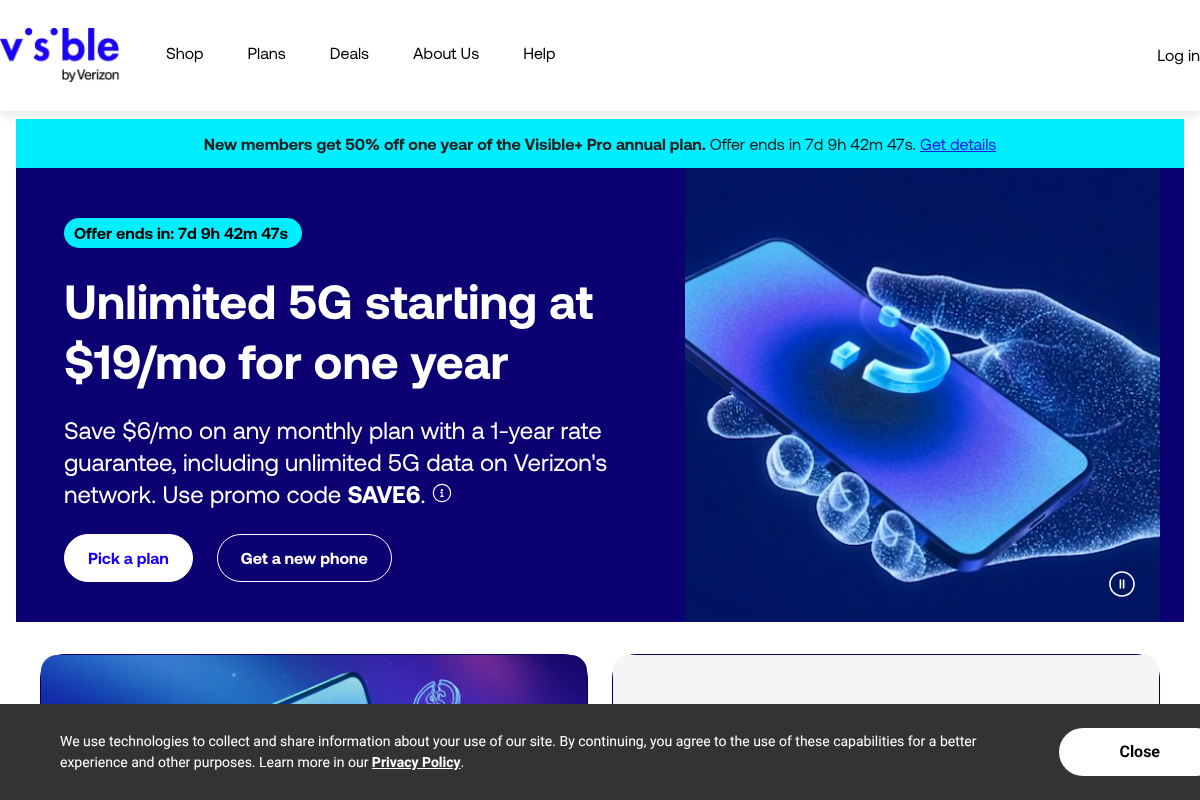
Best for: People who want Verizon’s network at one flat monthly price with no store trip.
Visible is eSIM-only and app-first by design, so switching phones means opening the app and tapping “Transfer your number” on the home tab. It runs on Verizon’s network, and the single-plan structure keeps the decision simple. Because everything is digital, there is no physical SIM to lose in the move.
- Pros: Flat pricing, Verizon coverage, fully app-based number transfer.
- Cons: Customer support is chat-first, which frustrates people who want a phone line; deprioritized data at congestion on the base plan.
Pricing: $25/mo for Visible, $35 to $45 for Visible+, with intro promos near $19/mo at Visible.
3. Google Fi
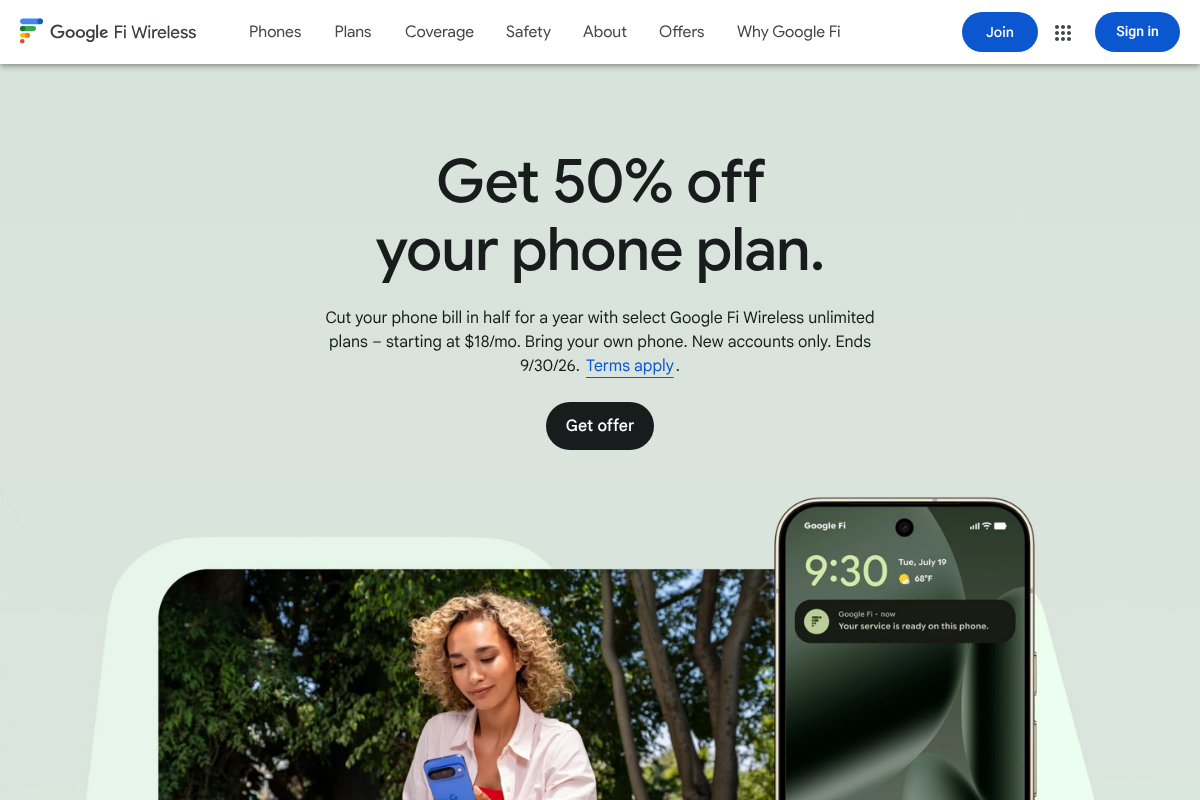
Best for: Anyone who changes phones often or travels internationally on the same number.
Google Fi is built around eSIM and device flexibility, so moving your service to a new phone is a self-service step in the Fi app, and the phone shows a “your service is ready” notification once it lands. It runs primarily on T-Mobile’s network and handles international data on the same plan, which is why frequent switchers stick with it.
- Pros: Smooth device switching, strong international data, works across Pixel and iPhone.
- Cons: Pricier than budget MVNOs; some features work best on Pixel hardware.
Pricing: Simply Unlimited from around $35/mo, with promo pricing near $18/mo for a year at Google Fi.
4. Tello
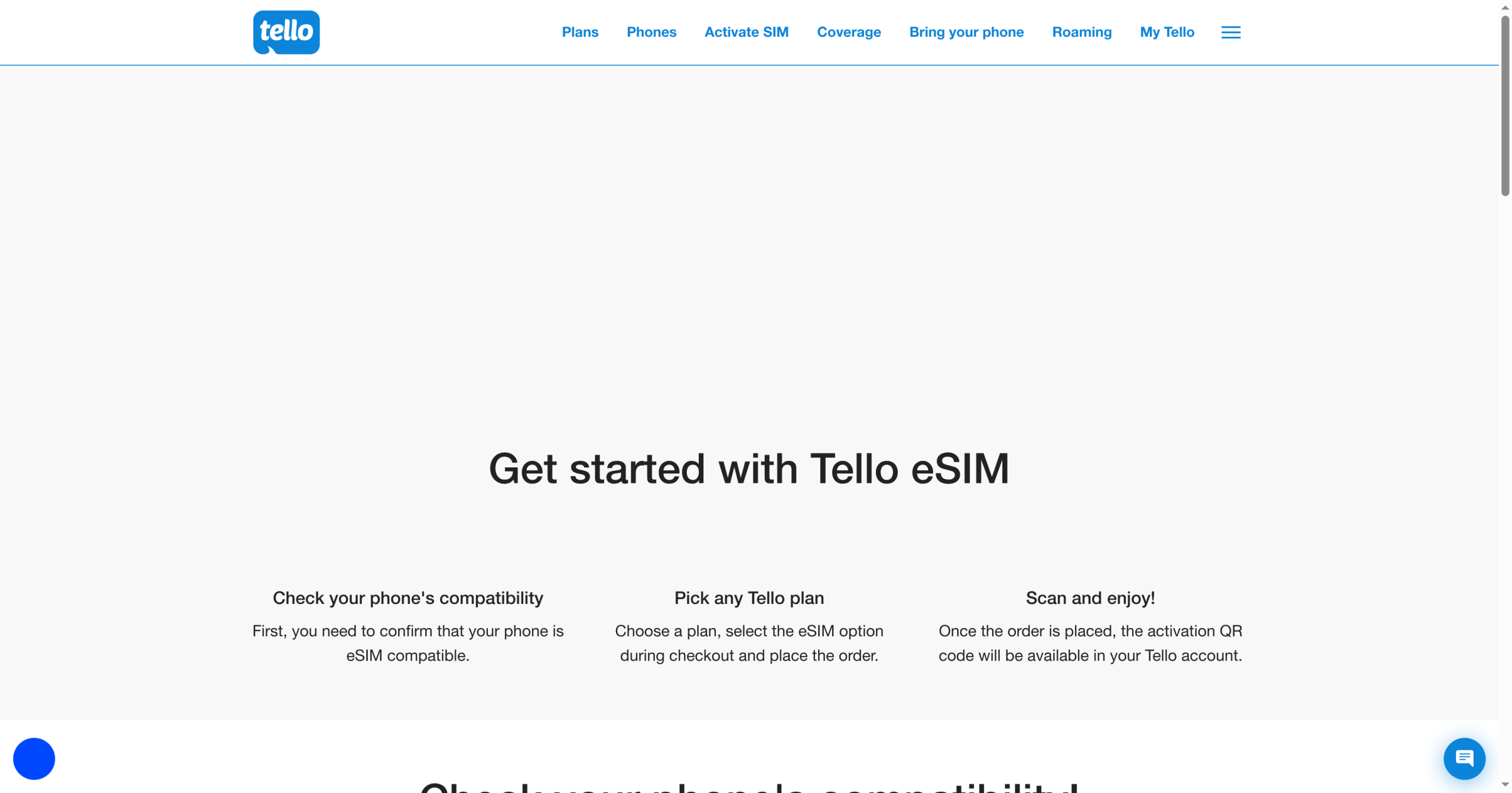
Best for: Budget-minded users who still want a real main line with instant setup.
Tello runs on T-Mobile’s network and issues the eSIM activation QR right inside your account after checkout, so the whole thing is check compatibility, pick a plan, scan, done. Plans are build-your-own, which is how the entry price gets so low. It is the pick when you want to cut the bill without waiting on anyone.
- Pros: Very cheap entry price, no contract, instant eSIM from your account.
- Cons: T-Mobile coverage only; lower data priority than postpaid lines.
Pricing: From $5/mo, with unlimited-data plans around $25/mo at Tello.
5. Airalo
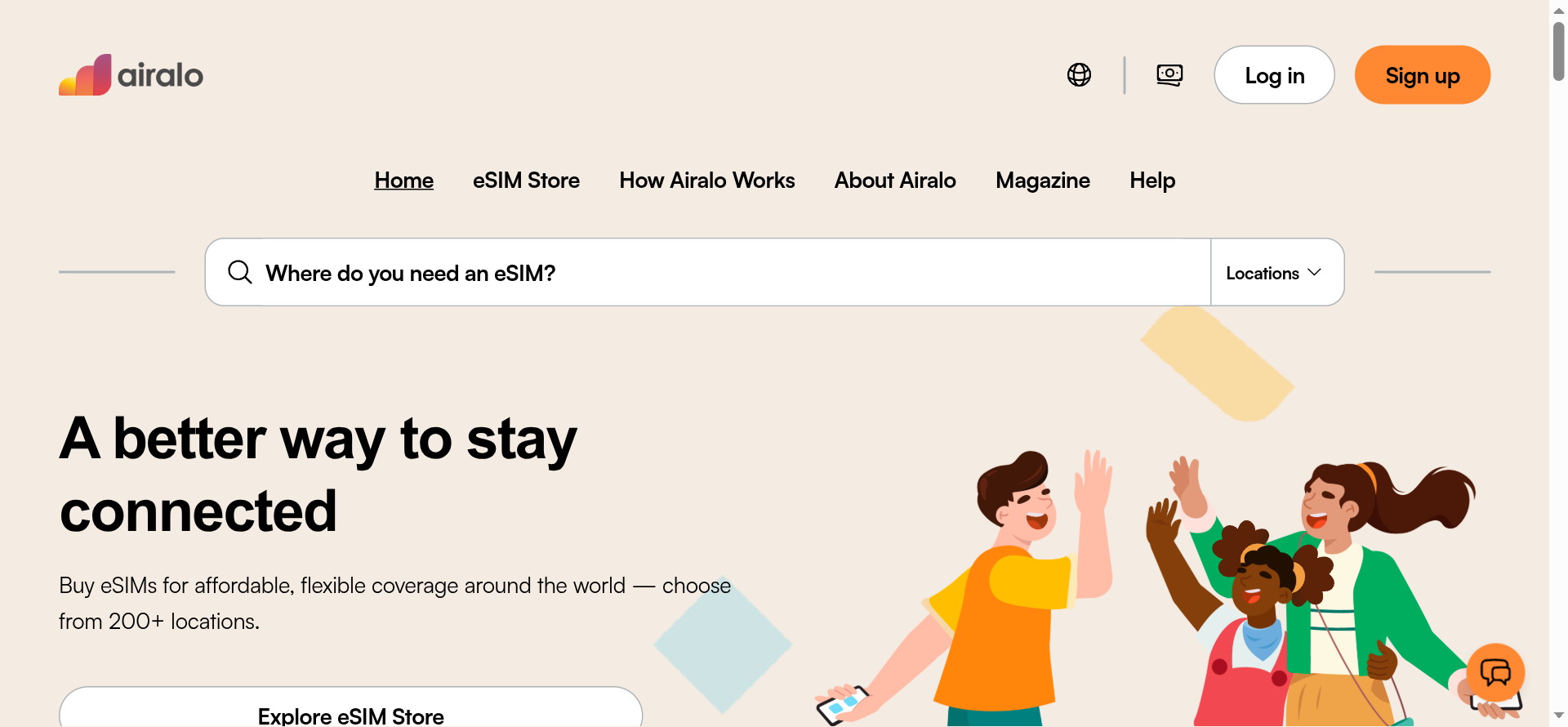
Best for: Travelers who want a data line on a new phone the moment they land, in almost any country.
Airalo is a travel eSIM store covering more than 200 destinations, and it is fully self-service: you buy a plan in the app, install it, and you are online without touching your home carrier. If you get a new phone mid-trip, you can re-download the eSIM from your account dashboard, so a lost or upgraded device does not strand you.
- Pros: Huge country coverage, app-based install, dashboard re-download for a new phone.
- Cons: Data-only (no calls or texts on your number); a single install locks to one device until you re-download.
Pricing: Varies by destination, often from about $4.50 for 1 GB at Airalo.
6. Saily
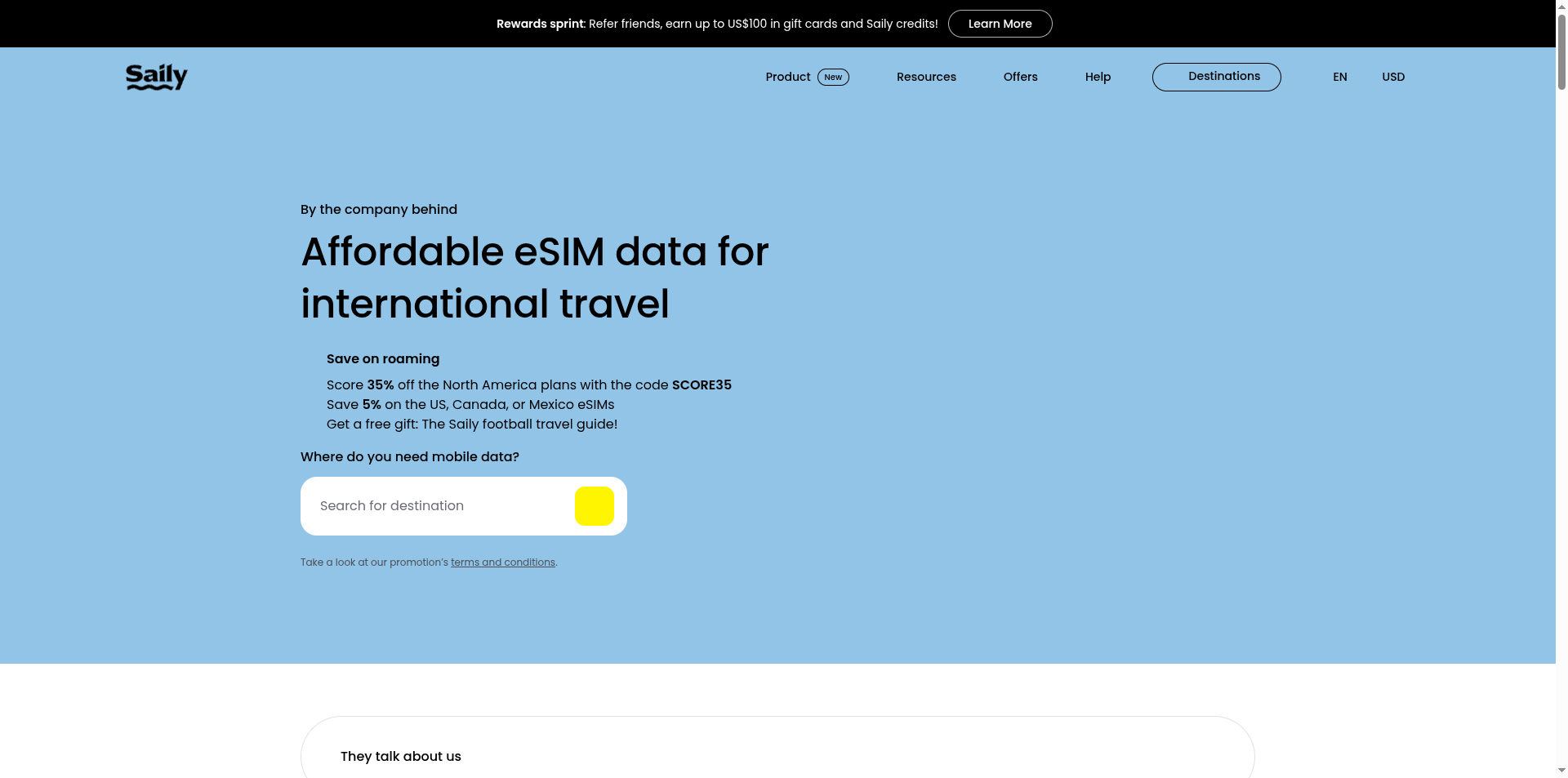
Best for: Budget travelers who want the cheapest data with the least setup friction.
Saily comes from the team behind NordVPN, and on compatible phones it can push the eSIM activation directly from the app, skipping the QR code step entirely. Prices start low, and the interface is stripped down to the essentials: pick a destination, pick data, activate. For a quick trip on a new phone, it is about as frictionless as travel eSIMs get.
- Pros: Low entry price, app-push activation, clean interface, built-in security extras.
- Cons: Smaller plan catalog than Airalo; data-only.
Pricing: From $3.99, priced by destination and data amount at Saily.
7. Holafly
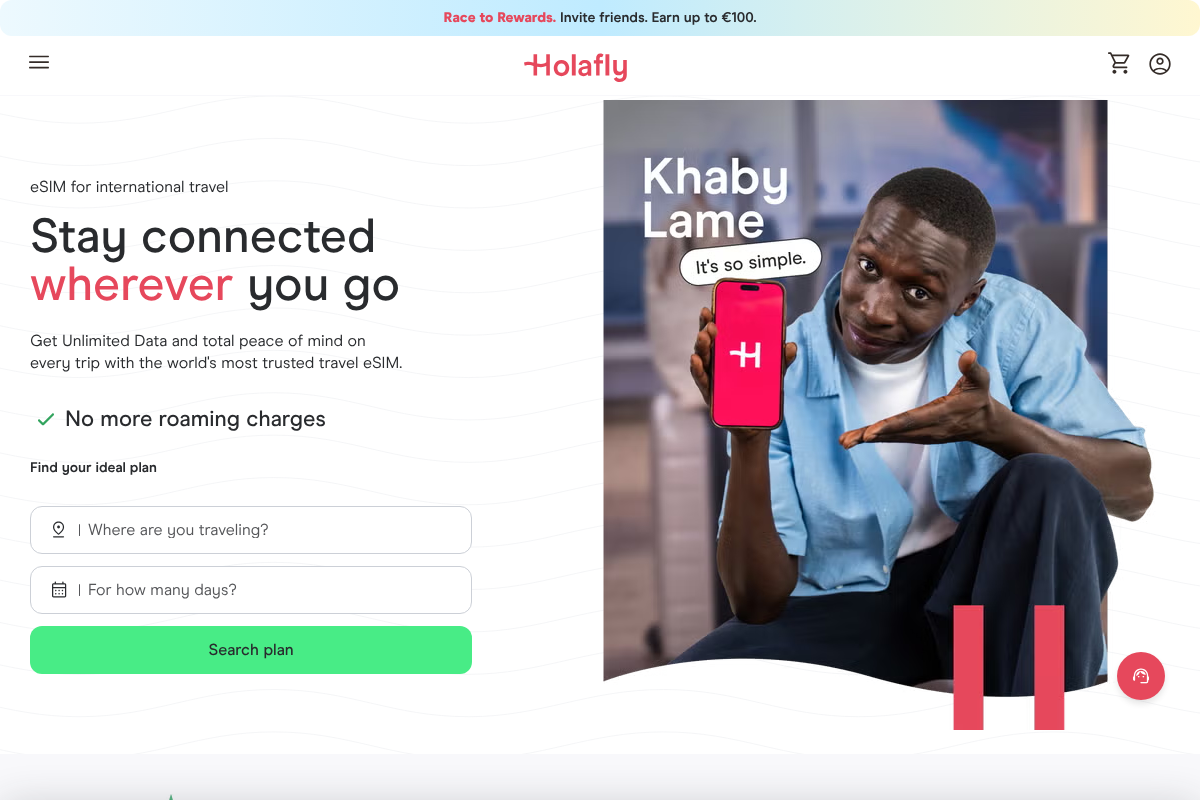
Best for: Heavy data users who do not want to count gigabytes on a trip.
Holafly’s angle is unlimited data on many of its plans, priced by trip length rather than by the gigabyte, which suits people who stream, map, and video-call without watching a meter. Setup is app-based and self-service, so a new phone just needs the profile installed. If your usual worry abroad is running out of data, this is the one to look at first.
- Pros: Unlimited-data option, no roaming charges, simple per-trip pricing.
- Cons: Often costs more than metered plans for light users; unlimited plans can be throttled after heavy daily use.
Pricing: Per-trip pricing rather than per-GB, set by destination and days at Holafly.
8. Nomad
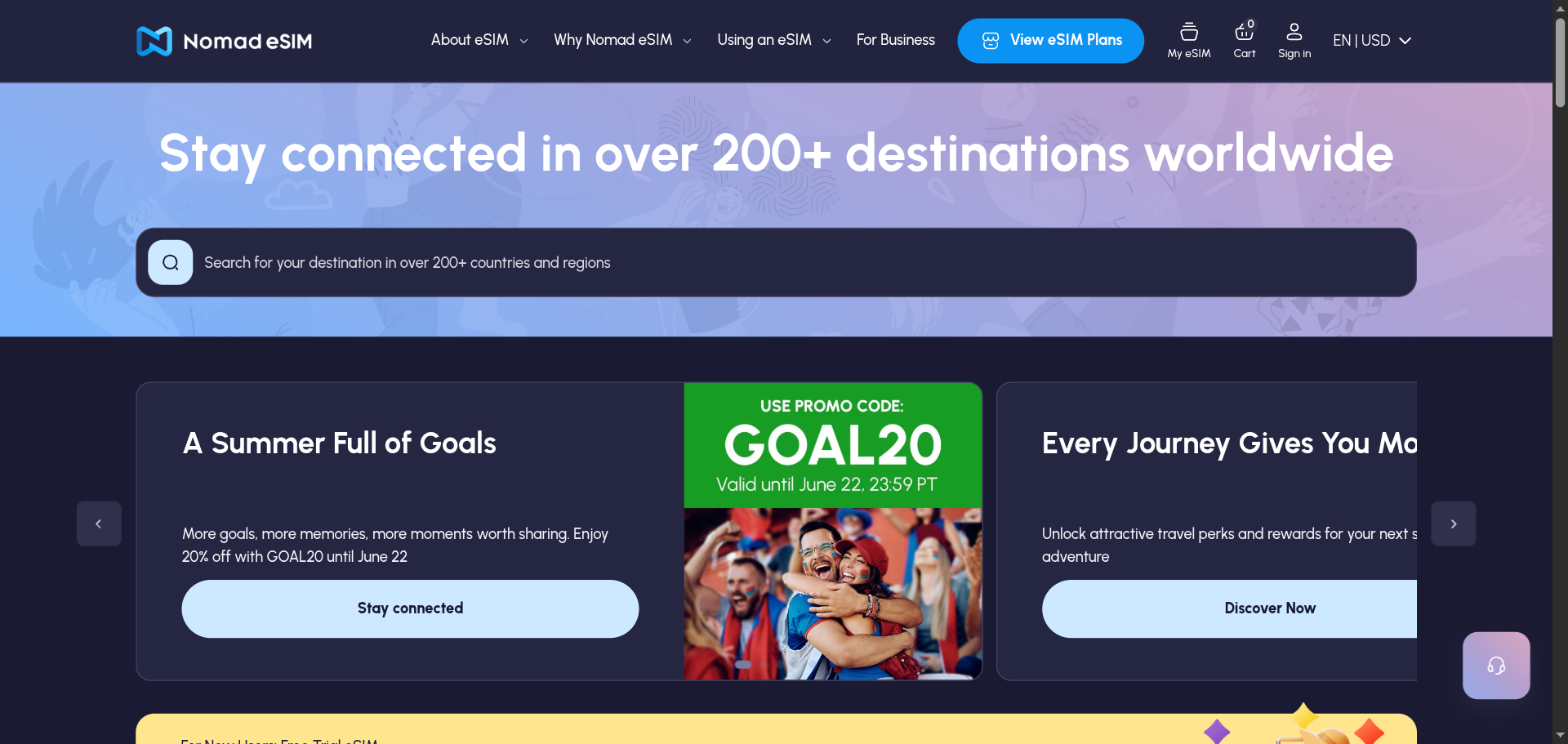
Best for: Longer trips or multi-country routes where a regional plan beats buying one country at a time.
Nomad covers 200-plus destinations and leans into regional plans, so a multi-country trip does not mean juggling separate eSIMs. It runs 24/7 support and offers a free trial eSIM, which is a low-risk way to test the network on a new phone before you commit. For a two-week regional route, the pricing usually works out better than single-country data.
- Pros: Good regional plans, free trial eSIM, round-the-clock support.
- Cons: Single-country plans are not always the cheapest; data-only.
Pricing: Pay-as-you-go and regional data plans, with a free trial eSIM at Nomad.
How We Chose These
The test was simple: can you get a working line on a new phone without calling or chatting with an agent? Every pick here activates or transfers in the app or account dashboard. We split the list into two jobs people actually have, keeping your main number versus getting fast data abroad, because those need different tools. We weighed network coverage, entry price, how many steps the switch takes, and whether a new or wiped phone can recover the eSIM without the old device. Providers that still force a support ticket to move a line, which includes some well-known budget brands, were left off on purpose.
The Bottom Line
If you want to move your main number to a new phone yourself, start with US Mobile for network choice or Visible for one flat Verizon price. Switch phones constantly or travel on your home number, and Google Fi earns its higher cost. On a tight budget, Tello does the job for as little as $5. For a data line the minute you land, Airalo has the widest coverage, Saily is the cheapest to start, Holafly wins if you want unlimited, and Nomad is the value pick for longer regional trips. Whatever you choose, set up the eSIM before you wipe the old phone, since that is the step that keeps a switch from turning into a support call. If your text codes stop arriving after the move, our guide on 2FA texts that fail after an eSIM switch covers the fix, and before buying a discounted plan, skim the red flags of cheap eSIM reseller deals.
Frequently Asked Questions
What is the best eSIM app to switch phones without calling support?
For moving your main US number, US Mobile is the best overall because the transfer happens entirely in its app across all three major networks. Visible is the simplest if you want Verizon coverage at a flat price. For instant data on a new phone while traveling, Airalo has the widest country coverage, and all of these activate without an agent.
Do eSIMs transfer to a new phone automatically?
No. An eSIM does not carry over on its own when you switch phones. You either transfer the line inside your carrier’s app, or install a fresh eSIM profile on the new device. Some carriers still require a support call to move a line, so the self-service apps in this list matter specifically because they let you do it yourself.
Can I keep my phone number with an eSIM app?
Yes, if you choose a carrier rather than a travel data eSIM. US Mobile, Visible, Google Fi, and Tello all carry your number and let you move it to a new phone in-app. Travel eSIM apps like Airalo, Saily, Holafly, and Nomad are data-only, so they add connectivity on a new phone but do not carry calls or texts on your number.
What is the difference between a carrier eSIM and a travel eSIM?
A carrier eSIM replaces your main phone plan, with your number, calls, texts, and data. A travel eSIM is a prepaid data package for a trip that runs alongside your regular line, so you get local data without roaming charges. Use a carrier eSIM to switch phones on your home plan, and a travel eSIM for fast data when you land somewhere new.
Will a travel eSIM work if I get a new phone mid-trip?
Usually yes, but you may need to reinstall it. Most travel eSIMs lock to one device on install, so a new phone means re-downloading the profile from your account dashboard. Airalo and the other travel apps here support that from the app, which is why keeping your login handy matters more than keeping the old phone.
Practical Takeaway
Decide first whether you are moving your number or just adding data, then match the job to the app. Before you start, confirm the new phone supports eSIM and is carrier-unlocked, since a locked or older device is the one thing that will still force a support call no matter which app you pick. Set up the new eSIM while the old phone still works, keep your account login within reach, and you can switch phones in minutes with nobody on the other end of a call. For more phone and carrier guides, browse Wayodd’s Mobile section.


































































No Comments
Leave a comment Cancel