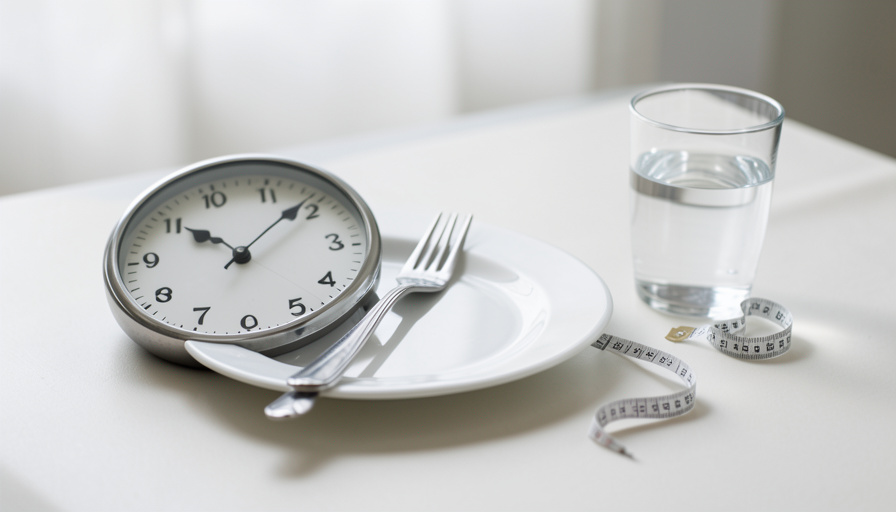

A GLP-1 medication is already a powerful brake on your appetite, so adding intermittent fasting is less a synergy and more a question of whether you can still eat enough.
Combining a GLP-1 drug with intermittent fasting has become a popular idea, and on paper it sounds efficient: one tool quiets hunger, the other shrinks the window you eat in. The catch is that both do the same job, so stacking them makes undereating the real danger rather than overeating. It can be done by some people with care, but it is not a proven upgrade, and for others it is a bad idea. Here is what actually goes wrong, the risks worth taking seriously, and the questions to bring to your prescriber before you try it.
Key Takeaways
- No clinical trial has directly tested GLP-1 drugs combined with intermittent fasting, so claims of synergy are inference rather than proof.
- The main risk is undereating: a GLP-1 already suppresses appetite, and fasting on top can lead to muscle loss and too little protein.
- If you take insulin or a sulfonylurea, fasting on a GLP-1 raises a real low-blood-sugar risk, so this is a decision to make with your prescriber, not alone.
Table of Contents
The short answer, and its caveats
Yes, some people fast while on a GLP-1, but the honest framing is cautious rather than enthusiastic. There is no randomized trial showing that adding intermittent fasting to a GLP-1 improves results, so the popular pairing rests on assumption. Meanwhile the medication is doing most of the appetite work already, which means the value of also fasting is small and the downside of eating too little is large. Whether it is reasonable for you depends on your other medications, your muscle-preservation plan, and your prescriber’s read on your situation.
Why stacking two appetite brakes is the core risk

The problem is undereating, not overeating. A meaningful share of the weight lost on GLP-1 drugs is lean mass rather than fat, and adding a fasting window that further limits intake makes it harder to get the protein needed to protect muscle, a concern reflected in the research on GLP-1 therapy and lifestyle changes. On forums, the single loudest complaint from people on these drugs is how hard it already is to hit a protein target when appetite is gone. Fasting compresses that struggle into fewer hours, so the practical risk is losing muscle and shortchanging nutrition, which undermines the very outcome you want.
The low-blood-sugar risk to take seriously

This is the part to not gloss over. On a GLP-1 alone, low blood sugar is an uncommon and usually mild risk, but the picture changes with other medications. Cleveland Clinic notes that hypoglycemia “can become a serious risk if you take GLP-1s with other medications that lower blood sugar, like sulfonylureas or insulin,” and that severe low blood sugar can be life-threatening without treatment, in its overview of GLP-1 agonists. A long fast, especially with exercise, stacks another downward push on your glucose. If you take insulin or a sulfonylurea, do not add fasting without your prescriber adjusting your plan.
The side effects that fasting can worsen
Even setting blood sugar aside, a GLP-1 comes with effects that a fast can amplify. The drugs commonly cause nausea and slow how fast your stomach empties, so a long fast followed by a large meal can leave you feeling worse, not better. Dehydration is easy to slide into when you are eating and drinking less, and it can intensify headaches and fatigue. There is also a known association with gallstones during rapid weight loss, which aggressive fasting can accelerate. None of these are guarantees, but they are reasons to go gentle rather than extreme.
If you still want to fast, do it gently and with help
If your prescriber agrees it is reasonable, the safer version is modest rather than hardcore. Gentler eating windows like 12 hours on and 12 off, or a 14-hour overnight fast, are far easier to tolerate than one-meal-a-day or multi-day fasts, which are generally discouraged on a GLP-1. Make protein the priority within your window and pair it with resistance training to protect muscle, keep hydration up, and stop the fasting experiment if you feel dizzy, faint, or unwell. Above all, involve your prescriber, since they can adjust other medications and flag risks specific to you.
This article is general information, not medical advice. GLP-1 medications, fasting, and their combination carry individual risks, including low blood sugar and nutritional gaps. Talk with your prescriber before combining a GLP-1 with intermittent fasting, especially if you take insulin or other glucose-lowering medications, and seek care for symptoms like faintness or confusion.
Frequently Asked Questions
Can you do intermittent fasting on a GLP-1?
Some people do, but it is not proven to help and carries real risks. Because the medication already suppresses appetite, fasting mainly increases the chance of undereating, losing muscle, and missing protein. There is no clinical trial showing the combination works better than the drug alone. If you want to try it, do so with your prescriber’s guidance and a plan to protect muscle and nutrition.
Is fasting on a GLP-1 dangerous if I take insulin?
It can be. On a GLP-1 alone, low blood sugar is uncommon, but combining the drug with insulin or a sulfonylurea meaningfully raises the risk, and a long fast pushes glucose lower still. Cleveland Clinic warns that severe hypoglycemia can be life-threatening without treatment. Do not add fasting to that mix without your prescriber adjusting your medications and monitoring plan first.
Will I lose muscle if I fast on a GLP-1?
You are at higher risk. A significant portion of weight lost on GLP-1 drugs is lean mass, and fasting can worsen that by making it harder to eat enough protein. The countermeasures are prioritizing protein within your eating window and doing resistance training. If you cannot reliably hit your protein target, that is a strong sign fasting is adding risk without benefit.
What fasting schedule is safest on a GLP-1?
Gentler windows are the safer choice. Approaches like 12 hours fasting and 12 hours eating, or a 14-hour overnight fast, are generally better tolerated, while one-meal-a-day and multi-day fasts are usually discouraged on a GLP-1. The right schedule depends on your medications and health, so treat any window as something to clear with your prescriber rather than a fixed rule.
Do I need to change how much protein I eat while fasting on a GLP-1?
Protein becomes more important, not less. With a smaller appetite and a shorter window, hitting an adequate protein intake takes deliberate effort, and clinicians managing weight loss emphasize higher protein plus resistance training to preserve muscle. Front-load protein in your first meal, and if your appetite makes that impossible, reconsider the fasting plan with your prescriber.
Final Word
Pairing a GLP-1 with intermittent fasting is not the effortless multiplier it is sold as, because both tools pull in the same direction and the combined risk is eating too little. For most people the medication is already doing the heavy lifting, so the safer path is adequate protein, resistance training, and hydration rather than a stricter fast. If you still want to fast, keep it gentle and make it a shared decision with your prescriber, especially on insulin. For more on eating well on these drugs, see our guide to GLP-1 friendly snack label traps and our questions about compounded GLP-1 from telehealth. Browse more in Wayodd’s Diet section.
































































No Comments
Leave a comment Cancel