
The viral stories were the spark. The quieter action, the one that actually changes anything, is happening in state working groups and school committee rooms.
A round of the school isolation room discipline policy review is now underway in several states, prompted by a wave of parent accounts that spread across social feeds this month. One thread describing children coming home in tears after hours in an isolation room drew nearly 15,000 likes on its own. What tends to get lost in that outrage is the follow-on: legislators, state boards, and district committees are reopening the rules, and a few have already rewritten them. This is a look at where that review is happening, what it changes, and how a parent can actually be part of it.
Bottom Line First
- Viral parent accounts have pushed isolation and seclusion rules back onto the agenda in multiple states, and some districts have already tightened them for the 2026 school year.
- Reviews tend to move in a few directions at once: banning or narrowing seclusion, requiring parental consent and fast notification, and setting physical safety standards for any room still in use.
- Parents can shape a review through public comment, records requests, and testimony, which is a different lever from handling one child’s incident.
Table of Contents
Why the Reviews Are Happening Now
Policy rarely moves because a practice is wrong. It moves when the practice becomes visible. That is what the current wave of parent accounts did. Stories that districts could once treat as isolated complaints are now stacked in public, side by side, and the volume reframes them as a pattern worth reviewing.
The accounts are doing real work here. Parents describing hours of confinement for minor infractions, one branding the system “barbaric,” and adults recalling their own school “quiet rooms” have turned a scattered, district-by-district issue into something a state agency can no longer wave off. For a fuller explainer of what these rooms are and the rules that govern them, we covered that ground in our piece on why isolation-room complaints are growing. This article picks up where the outrage ends and the paperwork begins.
Where Policies Are Actually Being Reviewed
The most useful thing you can do with a viral moment is check which officials are responding to it. Several are, and in concrete ways.
Minnesota is the clearest case. A state seclusion working group met from August 2025 into January 2026 and delivered a report to the legislature, with the state’s education department recommending that seclusion be prohibited for all children by September 2026. A 2023 law already banned it for students with disabilities from birth through third grade, yet more than 50 districts still operate 194 registered seclusion rooms across roughly 100 buildings. That gap between the law and the room count is exactly what a review is meant to close.
Individual districts are moving faster than statehouses in places. In Massachusetts, the Woburn school committee approved sweeping changes to its restraint and seclusion policy before the September 8, 2026 school year, limiting seclusion to genuine emergencies with prior parental consent and requiring that a principal notify parents within 24 hours. Utah took a different path with S.B. 181, which sets minimum safety standards for any seclusion room, covering room size, ceiling height, construction materials, lighting, and ventilation.
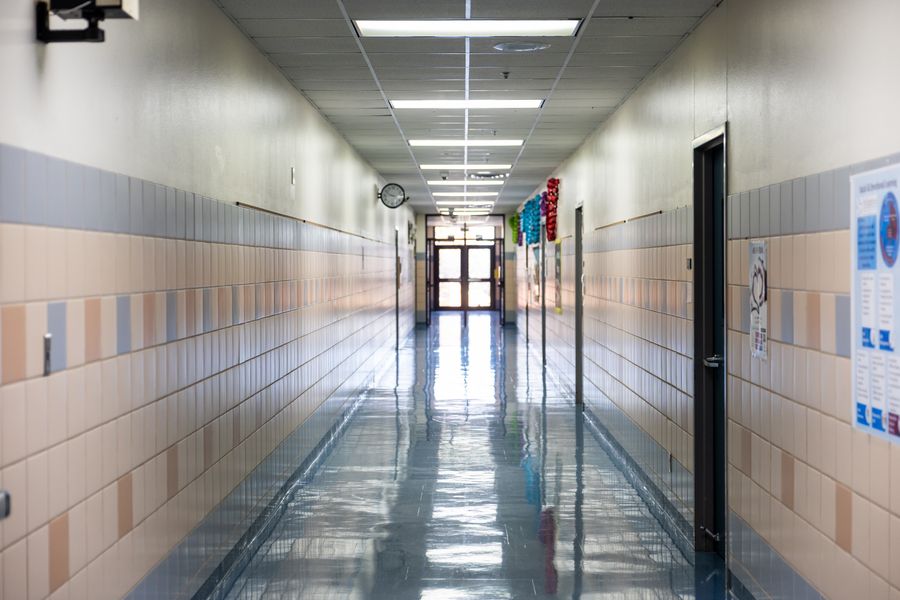
None of this is brand new territory. Illinois has been here before: after a 2019 investigation documented thousands of secluded students, the state moved to sharply restrict the practice, and its board of education has kept reviewing district use since. The current cycle is less a first reckoning than the next round of an argument that has been running for years.
| Where | 2026 review action | Direction |
|---|---|---|
| Minnesota | Working-group report to the legislature | Toward banning seclusion for all children |
| Massachusetts (Woburn) | School committee policy overhaul | Emergency-only, parental consent, 24-hour notice |
| Utah | S.B. 181 enacted | Minimum safety standards for rooms |
| Illinois | State board ongoing review | Tightening after an earlier investigation |
What a Policy Review Usually Changes
Reviews vary by state, but the levers they reach for are fairly consistent. Knowing them helps you read a proposed change and judge whether it has teeth.
- Whether seclusion is allowed at all, or permitted only during a genuine safety emergency rather than for discipline.
- Whether a parent must consent in advance, and be notified within a fixed window such as 24 hours.
- Physical safety standards for any room still in use, from size and ventilation to what the walls and door are made of.
- Public reporting, including a registry of how often seclusion happens and which students it affects.
- Training and staffing requirements, so a room is not the fallback for a school short on support staff.
That last item is the quiet one, and it matters more than it looks. A rule can ban seclusion on paper, but if a classroom has one adult and no behavioral support, the pressure that led to the room does not disappear. Strong reviews pair the limit with the resources, which is also the part that costs money and slows the process.
The Tension Reviewers Have to Settle
It would be easy to read the review wave as a straightforward win for parents. It is more tangled than that. In special education forums, teachers describe a genuine bind: they are asked to keep every child safe, sometimes including the child in crisis, without the staffing to do it gently. Threads titled things like an honest discussion about restraint and seclusion tend to fill with educators who dislike the rooms and also fear what a blunt ban leaves them holding.
That does not excuse misuse, and the data on who ends up secluded, disproportionately children with disabilities, is damning. The point is narrower. A review that only writes a prohibition, without funding the alternatives, can push the problem sideways into restraint or informal exclusion. The reviews most likely to stick are the ones that treat staffing and training as part of the safety question, not a separate budget line.
How Parents Can Feed Into a Review
Handling one child’s bad day and shaping a district’s policy are different tasks, and the second one has its own set of moves. If you want the rules themselves to change, this is where the leverage sits:
- Submit public comment when a state board, agency, or working group opens a comment period, since those windows are short and often under-attended.
- File a records request for your district’s seclusion counts, because aggregate numbers, not single stories, are what drive a formal review.
- Ask your school board to publish its written policy and its annual seclusion data, and put the request on the meeting record.
- Connect with a disability rights or parent advocacy organization already tracking the issue in your state, which can point you to active bills.
- Send written input or testify when a legislative committee weighs a seclusion bill, even briefly, since committee records shape the final language.
This article is general information, not legal advice. Restraint and seclusion rules differ by state and district and are changing quickly in 2026, so consult your district’s current policy or a qualified professional about a specific situation.
What Matters Most
- The viral parent accounts matter because they reopened formal policy reviews, beyond the attention itself.
- Minnesota, Massachusetts, Utah, and Illinois show four different review paths, from outright bans to safety standards.
- Effective reviews pair a seclusion limit with staffing, training, and public reporting, or the pressure just shifts.
- Parents shape reviews through comment periods, records requests, and testimony, which differ from resolving one incident.
Frequently Asked Questions
What is triggering the 2026 isolation-room policy reviews?
A wave of parent accounts describing children held in isolation rooms for minor infractions spread widely this month, with one thread drawing nearly 15,000 likes. The visibility pushed state agencies, legislators, and district committees to reopen rules many had left largely untouched.
Which states are changing their seclusion rules?
Minnesota’s education department has recommended banning seclusion for all children by September 2026, Woburn in Massachusetts overhauled its restraint policy for the 2026 school year, and Utah enacted S.B. 181 setting room safety standards. Illinois continues a review that began after a 2019 investigation.
Does a policy review mean isolation rooms are banned?
Not automatically. A review can end in a full ban, a narrowing to emergencies only, new consent and notification rules, or just safety standards for existing rooms. The direction depends on the state, and even a recommendation to ban still has to pass into law.
How can a parent influence a district’s seclusion policy?
Beyond handling a specific incident, parents can submit public comment during review windows, request their district’s seclusion data, ask the school board to publish its policy, work with an advocacy organization, and testify when a legislative committee considers a bill.
Why do some teachers push back on seclusion bans?
Many educators dislike the rooms but worry that a ban without added staffing and training leaves them managing a child in crisis with too little support. Reviews that fund alternatives, rather than only prohibiting seclusion, tend to draw less resistance and hold up better.
Practical Takeaway
The stories will scroll past, the way they always do. What decides whether this cycle changes anything is slower and less dramatic: a working-group report that becomes a bill, a school board that starts publishing its numbers, a comment period that a few hundred parents actually show up for. For more coverage aimed at families, browse Wayodd’s Education and Family & Personal sections. If the viral thread made you angry, the useful next step is to find out whether your own state has a review open, and to put your name on it.





































No Comments
Leave a comment Cancel