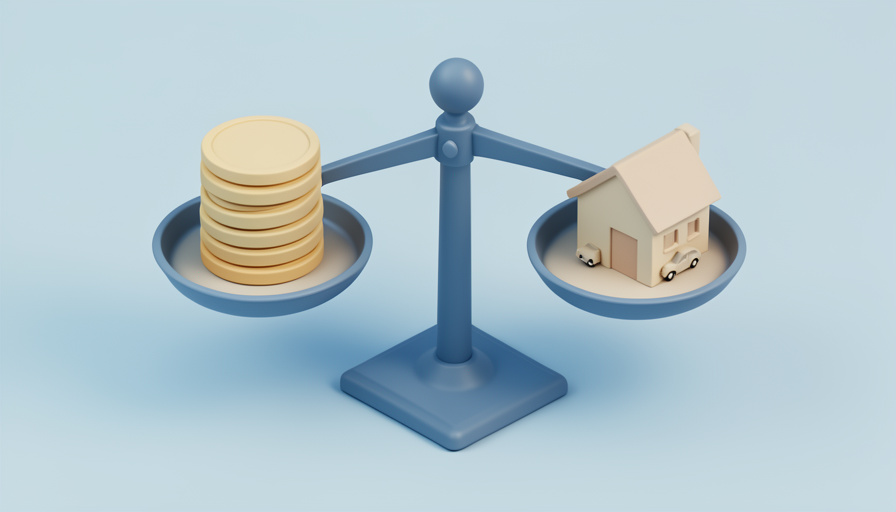

A single inflation number rarely moves your life. This one nudges the odds on your next mortgage quote and your savings rate.
The latest US core CPI update kept rate cuts in play, and that is the real headline for anyone with a loan or a savings account. Core inflation, the measure that strips out volatile food and energy, eased to 2.4% in August 2026 from 2.5% the month before. That is the lowest reading in years, it came in about where economists expected, and it arrived days before the Federal Reserve meets. Steady, cooling inflation is exactly the backdrop a central bank wants before it lowers rates.
In Brief
- Core CPI eased to 2.4% year over year in August 2026, the lowest since early 2021, with monthly prices up 0.3%.
- The soft print lands right before a Fed meeting where a quarter-point rate cut is firmly on the table.
- A cut would gradually lower borrowing costs and, eventually, savings yields, so the effect cuts both ways for households.
Table of Contents
What the Latest Core CPI Print Showed
Start with the number that matters most to the Fed. Core CPI slowed to 2.4% year over year, down a notch from 2.5%, and rose 0.3% on the month. Economists had penciled in roughly that figure, so markets treated it as confirmation rather than surprise.
The mix underneath is where it gets interesting. Goods prices kept cooling, with categories like new vehicles rising modestly. The stubborn parts were services, especially shelter at around 3.0% and medical care near 2.5%. Shelter is the heavyweight in the index, so its slow descent is a big reason overall inflation has not fallen faster.

Why focus on core at all? Because food and energy prices swing wildly month to month, which can hide the underlying trend. The Fed watches core to see where inflation is really settling once the noisy parts are set aside.
Why This Keeps a Rate Cut on the Table
This report was the last major inflation reading before the central bank’s next decision, which gives it outsized weight. Reporting ahead of the meeting described a quarter-point move as firmly in play, and a core figure that eased rather than jumped removes one obstacle to cutting.
The logic is straightforward. When inflation runs hot, cutting rates risks pouring fuel on it. When inflation drifts toward target, the Fed has room to ease without reigniting price pressure. A 2.4% core reading is close enough to comfortable that policymakers can justify a first step down, especially if they are also watching for any softness in jobs.
What a Rate Cut Would Mean for Your Money
This is the part worth translating out of economist-speak. A Fed cut does not instantly change your bills, but it sets the direction for the rates you actually pay and earn. The effect is a slow tide, not a switch.
| If the Fed cuts | Likely direction over time |
|---|---|
| Savings and CD yields | Drift lower, so lock in longer terms sooner if you want today’s rate |
| Mortgage rates | Ease gradually, though they track longer-term bonds more than the Fed directly |
| Auto and personal loans | Tend to soften, improving affordability on new borrowing |
| Credit card APRs | Fall slowly, but stay high, so they remain the priority to pay down |
Notice the split. Borrowers generally welcome cuts, savers generally do not, and most households are a bit of both. That is why a rate cut is rarely all good news for one person.
What to Watch Next
- The Fed’s decision and its tone, since the size of the first cut matters less than how many more it signals.
- Whether shelter inflation keeps easing, because it is the biggest anchor on the core number.
- The monthly pace, since a single hot month can quickly change the rate-cut conversation.
This article is for general information only and is not financial advice. Interest rates and inflation shift constantly, so review current figures and consider your own situation, or consult a qualified professional, before making money decisions.
What To Know
- Core CPI cooled to 2.4% in August 2026, close to expectations and the lowest in years.
- Shelter and medical services stayed elevated, which is slowing the overall decline.
- The soft reading keeps a quarter-point Fed cut firmly on the table for late 2026.
- A cut would ease borrowing costs and trim savings yields, gradually rather than overnight.
Frequently Asked Questions
What is core CPI, and why does it matter?
Core CPI measures consumer price inflation excluding food and energy, which are volatile. It matters because it reveals the underlying inflation trend, and the Federal Reserve leans on it heavily when deciding whether to raise or lower interest rates.
What did the latest core CPI reading show?
Core CPI eased to 2.4% year over year in August 2026, down from 2.5%, with prices up 0.3% on the month. Goods prices cooled while shelter and medical services stayed relatively high.
Does this mean the Fed will cut rates?
It makes a cut more likely but does not guarantee one. The reading came in near expectations just before a Fed meeting, and a quarter-point reduction was described as firmly on the table. The Fed also weighs jobs and other data.
How would a rate cut affect my mortgage or savings?
Over time, a cut tends to ease borrowing costs on loans and lower yields on savings accounts and CDs. The change is gradual, and mortgage rates in particular track longer-term bonds rather than moving in lockstep with the Fed.
Why is inflation not falling faster?
Mostly because of shelter, which carries a large weight in the index and has been slow to cool, along with sticky services like medical care. Until those ease further, overall inflation tends to decline gradually.
What This Means
The useful read on this report is not the decimal point, it is the direction. Inflation is drifting toward the zone where the Fed can start easing, and that shift will show up quietly in loan quotes and savings rates over the coming months rather than all at once. For more coverage, browse Wayodd’s Finance and Business & Markets sections. If you have been waiting to lock a savings rate or refinance, this is a reasonable moment to decide which side of the rate move you want to be on.


































No Comments
Leave a comment Cancel