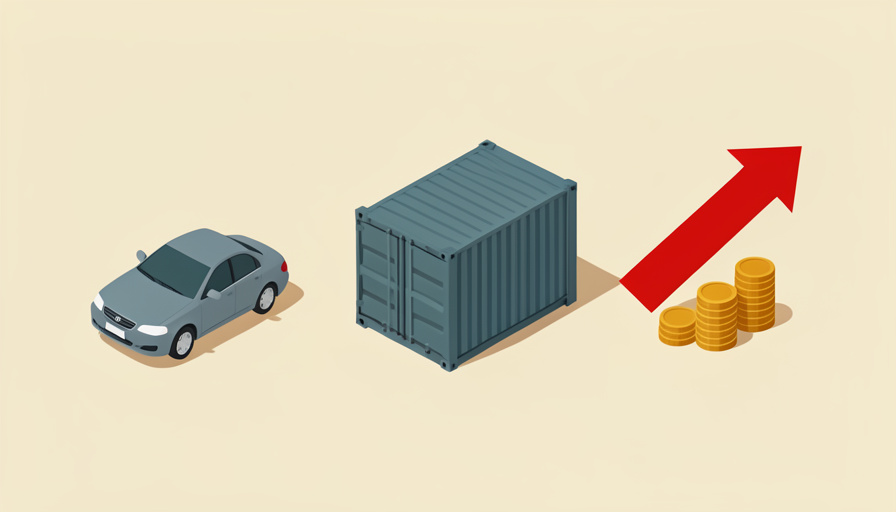

The headlines are about diplomacy and retaliation. The part that actually reaches your driveway is quieter, and it is about the price of your next car.
Search US Canada trade talks collapse autos right now and the results lean heavily political, but the part that touches you is simpler: your next vehicle. In late August 2026 the two countries’ trade negotiations broke down, tariffs went up, and the auto sector landed near the center of the fallout. Because cars and their parts cross the border constantly, a trade fight becomes a car-price story fast. This piece sets the politics aside and looks at what the breakdown could mean for prices, parts, and repairs, plus what a shopper can reasonably do.
For Car Shoppers
- US-Canada trade talks collapsed in late August 2026, and both countries moved to raise tariffs on a range of goods.
- The US announced a 50 percent tariff on Canadian autos, auto parts, and steel set for January 1, 2027, up from 25 percent on vehicles.
- The likely consumer effect is upward pressure on some car prices and repair-parts costs, though nothing is locked in and deals can still shift.
Table of Contents
What Actually Happened
Start with the facts, stated plainly. After a week of negotiations that at times looked close to a deal, US-Canada trade talks fell apart in late August 2026, and the US imposed new tariffs on roughly $20 billion in Canadian goods. Canada, under Prime Minister Mark Carney, said it would respond dollar for dollar with its own tariffs.
For cars specifically, the escalation went further. The US announced a 50 percent tariff on Canadian automotive and steel imports set to take effect January 1, 2027, doubling the existing 25 percent duty on vehicles and adding a levy on auto parts that had not been taxed before. That combination is why the auto sector is watching this so closely.
Why Autos Get Hit Hardest
Cars are unusually exposed here because of how they are built. The North American auto industry runs on a deeply integrated supply chain, where a single component can cross the US-Canada border several times before a finished vehicle rolls off the line. A tariff does not apply once and stop. It can stack at each crossing, so the cost effect on a car is larger than the headline rate suggests.
That integration also means the pain is shared. Canadian plants supply US assembly lines, and US parts feed Canadian ones, so tariffs raise costs on both sides rather than landing cleanly on one country. It is the reason industry voices keep urging a resolution instead of a prolonged standoff.
| Likely pressure points | What is still uncertain |
|---|---|
| Prices on vehicles with heavy Canadian content | Whether a deal is reached before January 2027 |
| Repair costs as parts tariffs take effect | How much cost automakers absorb versus pass on |
| Availability of some cross-border components | Which specific models see the biggest changes |
| Timing pressure around the January 1 date | Whether production shifts blunt the impact |
What It Means for Prices and Parts
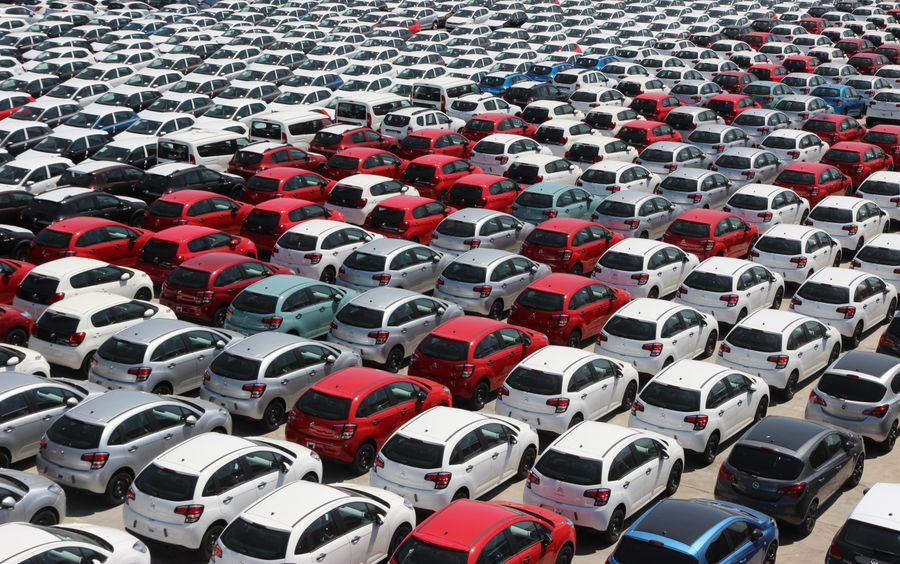
The mechanics of who pays are straightforward. When importers face a tariff, those costs usually flow to buyers as higher prices, and analysts warn that a 50 percent rate could lift the price of several bestselling models that rely on Canadian production. Vehicles and parts with significant cross-border content are the most exposed.
Now, a fair dose of realism. None of this is guaranteed to hit in full, because automakers have options: they can absorb some cost, shift production, or a deal could soften the tariffs before they bite. The honest read is that the risk is upward pressure on some car prices and repair costs, not a fixed, across-the-board increase you can put a number on today.
What a Car Shopper Can Do
You cannot control trade policy, but you can plan around the uncertainty. Keep an eye on the January 1, 2027 date, since that is when the larger auto tariff is scheduled to land, and factor that timing into a purchase you were already considering. If a repair on an older vehicle is coming, sourcing parts sooner rather than later is a reasonable hedge against both price and availability.
This article is general information, not financial advice. Tariff outcomes and car prices can change quickly, so weigh your own budget and timing and consult a qualified professional for major financial decisions.
What To Watch
- Trade talks collapsed in August 2026, triggering new tariffs from both countries.
- A 50 percent US tariff on Canadian autos and parts is set for January 1, 2027.
- The integrated supply chain means tariffs can compound and push some car and repair prices up.
- Outcomes are not fixed, so watch the January date and plan purchases and repairs with it in mind.
Frequently Asked Questions
Did US-Canada trade talks actually collapse?
Yes. Negotiations broke down in late August 2026 after appearing close to a deal, and the US imposed new tariffs on about $20 billion in Canadian goods. Canada, under Prime Minister Mark Carney, said it would retaliate with its own tariffs.
How high are the new auto tariffs?
The US announced a 50 percent tariff on Canadian automotive and steel imports set for January 1, 2027, up from 25 percent on vehicles, and it added a tariff on auto parts that were not previously taxed. That doubling is the core concern for the car sector.
Will car prices go up because of this?
There is real upward pressure, especially on models with heavy Canadian content, since importers tend to pass tariff costs to buyers. It is not certain or uniform, though, because automakers may absorb some cost, shift production, or a deal could change the tariffs.
Why are cars affected more than other products?
Because the North American auto supply chain is deeply integrated, and parts can cross the border several times before a car is finished. A tariff can stack at each crossing, so the total cost impact on a vehicle is larger than the headline rate alone implies.
Should I buy a car now to beat the tariffs?
This is not advice for your situation, but the larger auto tariff is scheduled for January 1, 2027, so timing matters if you were already planning to buy. Avoid panic buying on rumor, and weigh your own budget, needs, and the chance that terms change.
Where It Leaves Buyers
The trade fight is loud and political, but for a car shopper the takeaway is calm and practical. A breakdown in talks has put a large auto tariff on the calendar, the integrated supply chain means the cost could reach prices and parts, and the timing centers on early 2027. For more on cars and the economics behind them, browse Wayodd’s Autos section. Watch the date, plan around it, and treat the scary headlines as a reason to think ahead rather than to panic.















































No Comments
Leave a comment Cancel