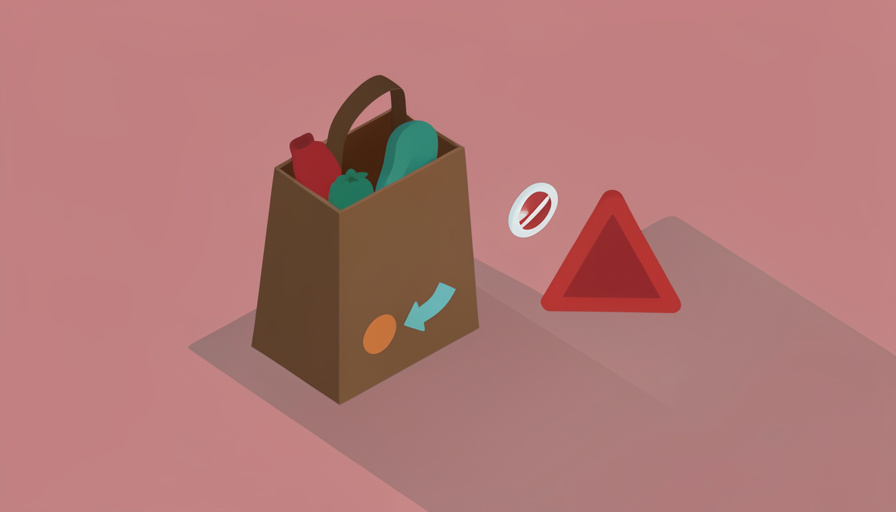

You order the exact brand you always buy, the one whose label you have read a hundred times and trust. Then the delivery arrives and it is not that product at all. A shopper, meaning well, swapped it for something that looked close enough, and now there is a package on your counter you never vetted, made by a different company, with a different ingredient list. For most people that is a minor annoyance. For someone with a food allergy, it is a hazard in the house.
The grocery substitution allergy risk is real and specific: an unrequested swap can replace a product you have confirmed is safe with one that contains, or may contain, an allergen you carefully avoid. The shopper cannot know your exact tolerances, and a similar-looking item can differ completely in its allergen profile. Here are ten substitutions that most often create that risk, and, just as importantly, how to block them so a swap never becomes an emergency.
Quick Take
- The core danger is that a substituted product has a different ingredient and allergen profile than the one you vetted, even if it looks the same.
- The most reliable protection is to mark allergy-critical items “do not substitute” and read the label on everything before anyone eats it.
- Store-run pickup or delivery where you approve swaps gives you the tightest control over what actually enters your home.
Important: this is general information, not medical advice. If you or a family member has a food allergy, always read the full ingredient label on any product before eating it, and follow your allergist’s guidance. Never rely on this article, an app setting, or a shopper’s note to keep an allergic person safe. A serious allergic reaction is a medical emergency, use your emergency medication and call emergency services immediately.
The 10 Risky Substitutions to Watch For
Each of these is a common swap where the replacement can carry an allergen the original did not:
- Your safe brand replaced by a store brand. A different manufacturer means a different recipe and a different allergen statement, even for a seemingly identical product.
- A “may contain” or shared-facility product. The swap-in may be made on lines that also handle nuts, milk, or other allergens, introducing cross-contamination risk your usual product did not carry.
- A different flavor or variety. The same brand’s other flavors can contain entirely different ingredients, so a plain version becoming a flavored one can add an allergen.
- Bakery and bread items. Breads and baked goods vary widely in sesame, nuts, milk, and egg, and an in-store bakery swap is especially hard to verify.
- A dairy-containing spread or product. A dairy-free item swapped for a “buttery” spread or a regular version can introduce milk where you needed none.
- A non-certified gluten-free swap. A product substituted for your certified gluten-free one may only be “no gluten ingredients” without the same testing, which matters for celiac disease.
- A reformulated or new-recipe version. Manufacturers change ingredients, so even your exact product in new packaging can have a different allergen list than last time.
- A nut-free snack swapped for a shared-line one. A replacement snack may be processed alongside nuts, turning a safe treat into a risky one.
- A vegan or egg-free item swapped out. Replacing a vegan product with a conventional one can add egg or milk, a real hazard for those allergens.
- A different size or value version. A larger or cheaper pack can be a different formulation or brand entirely, with its own allergen profile despite the familiar name.
How to Block Risky Substitutions
You can remove most of this risk with a few habits. First, mark every allergy-critical item “do not substitute,” so it is refunded rather than swapped if unavailable; a missing product is far safer than an unknown one. Add a clear note to the shopper explaining that a household member has a food allergy and that substitutions are not acceptable on those items. Where possible, choose store-run pickup or delivery that lets you approve or reject each swap before you accept the order. Then, without exception, inspect every delivered item and read its full ingredient and allergen label before anyone eats it, treating any product you did not personally choose as unverified until you have. These steps, together, keep an unrequested swap from ever reaching a plate.
Frequently Asked Questions
Can I stop a grocery app from substituting my items?
Yes. Most grocery delivery services let you set substitution preferences, including a “do not substitute” option that refunds an out-of-stock item instead of swapping it. For anything tied to a food allergy, that is the setting to use, since a refund is always safer than an unknown replacement. You can usually apply it per item, so you keep flexibility on non-allergen groceries while locking down the critical ones. Combine this with a written note to the shopper about the allergy. Setting these preferences before you check out, on every order, is the simplest way to prevent risky swaps.
Why is a substituted product risky even if it looks the same?
Because looks do not determine allergen content, the ingredient list and manufacturing do. A substitute from a different brand can be made on shared equipment with nuts or milk, use a different recipe, or carry a “may contain” warning your usual product lacks. Even the same brand’s different flavor or a reformulated version can change the allergen picture entirely. That is why a swap you did not vet is treated as unsafe until you read its actual label. The visual similarity that makes a substitution feel harmless is exactly what makes it dangerous for someone with an allergy.
What should I do the moment a delivery with substitutions arrives?
Before anything is put away or eaten, separate any substituted items and read each one’s full label, checking the ingredient list and any allergen or “may contain” statements against the person’s allergies. If a swap contains or may contain an allergen, set it aside and do not use it, and arrange a refund. Never assume a substitution is equivalent to what you ordered. Building this quick label check into unpacking every delivery is the single most protective habit, because it catches a risky swap at the last safe moment, before it can reach the kitchen or the table.
Is pickup safer than delivery for allergy households?
It can be, because pickup and some store-run services let you review substitutions and inspect items before you accept them, giving you control that a drop-off delivery does not. You can decline a swap on the spot and read labels at the car. That said, delivery is perfectly workable with the right precautions, no-substitution settings, clear allergy notes, and a strict label check on arrival. The safest option is whichever lets you verify what you are actually receiving, so if your allergies are severe, favor the method that keeps a human check between the swap and your home.
Read the Label, Block the Swap
A grocery substitution is a small convenience for most shoppers and a genuine hazard for an allergy household, because a well-meant swap can quietly introduce an allergen you took care to avoid. The protection is not complicated, but it must be consistent: mark allergy-critical items as no-substitution, tell the shopper why, favor methods that let you approve swaps, and read the full label on anything you did not choose yourself before it is eaten. Treat every unrequested substitution as unverified until proven safe. Do that every time, and grocery delivery stays the convenience it should be rather than a risk. For more on controlling substitutions, see our guide to grocery services with reliable substitutions, or browse Wayodd’s Diet section.
































































No Comments
Leave a comment Cancel