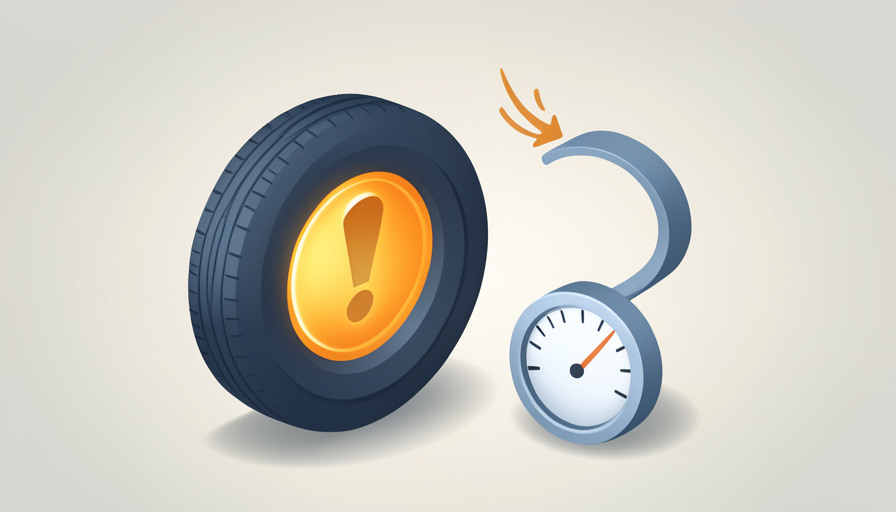

You did everything right. You checked every tire, topped each one to the number on the sticker, put the cap back, and climbed in feeling responsible. The little horseshoe warning light glows back at you like you did nothing at all. It is one of the more maddening dashboard standoffs, because the fix is usually simple, just not the one you expected.
When the tire pressure light stays on after you have carefully filled every tire, the system has usually just not caught up yet, or you missed a tire you did not think to check. The tire pressure monitor needs the right pressure, a chance to re-read, and sometimes a nudge to reset. Here is the order to work through, from the quick and common causes to the ones that mean a trip to the shop.
Quick Take
- The most common reason: the system needs a short drive to re-read the tires and clear the light on its own.
- Check the spare, since many vehicles monitor a full-size spare and a low one keeps the light on.
- A flashing light, not a steady one, points to a sensor fault, which usually needs a shop with a scan tool.
Table of Contents
1. Recheck the Pressure Against the Right Number
Start by confirming you inflated to the correct target. The number to match is on the sticker in the driver’s door jamb, not the higher maximum molded into the tire sidewall, which is a limit rather than a recommendation. Use a good gauge and check when the tires are cold, meaning before you have driven far, since driving warms the air and raises the reading. If you filled to the sidewall number or measured warm, one or more tires may actually sit below spec once cold, keeping the light on.
2. Don’t Forget the Spare
This is the tire people miss. Many vehicles, especially those with a full-size spare, include a pressure sensor in the spare too, so a low spare tucked under the trunk floor triggers the same warning as a low road tire. If your four visible tires are all correct and the light will not clear, check and inflate the spare to its specified pressure. On cars that monitor it, an unnoticed low spare is a surprisingly common reason the light stubbornly stays lit.
3. Drive to Let the System Re-Read
The tire monitor does not update the instant you add air; it re-reads the tires as you drive. After inflating, drive for about ten to twenty minutes at speeds above roughly fifteen to twenty-five miles per hour, which is often all it takes for the system to see correct pressures and turn the light off by itself. This single step resolves a large share of cases where everything is inflated properly but the light lingered right after filling. Give it the drive before assuming anything is broken.
4. Use the Reset or Relearn Procedure
If a drive alone does not clear it, your car may need a manual reset or relearn. Some vehicles have a TPMS reset button, often under the steering column, in the glove box, or in the infotainment menu, that you hold with the ignition on until the light blinks. Others follow a specific relearn sequence. Because the exact steps vary by make and model, check your owner’s manual, and consult a reset walkthrough such as Les Schwab’s guide to resetting the tire pressure light for the general approach.
5. Account for Cold Weather
Temperature quietly moves your tire pressure. Air contracts as it cools, dropping pressure by roughly one pound per square inch for every ten degrees Fahrenheit the temperature falls, so a cold morning after a warm day can pull a correctly filled tire below the threshold overnight and relight the warning. If your light appears on cold mornings and fades as the day warms, that is the cause. The fix is to set your pressures when the tires are cold and to top them up as the seasons turn colder.
6. Check Whether the Light Is Steady or Flashing
How the light behaves tells you a lot. A steady, solid light generally means low pressure, which the steps above address. A light that flashes for a while when you start the car, then stays on, usually signals a TPMS malfunction rather than simple low pressure, such as a failed sensor or a communication problem. If your light flashes, no amount of inflating will fix it, and that pattern is your cue to have the system diagnosed rather than keep topping off tires that are already fine.
7. Suspect a Sensor When Nothing Else Works
If the pressures are right, the spare is fine, you have driven and tried a reset, and the light still will not go out, a sensor is the likely culprit. TPMS sensors run on internal batteries that last around five to ten years and cannot be recharged, so an aging one simply dies and must be replaced. A damaged sensor from a recent tire change can also be at fault. As Family Handyman’s reset guide notes, at this point a shop with a TPMS scan tool can pinpoint which sensor has failed.
Frequently Asked Questions
Why is my tire pressure light on when all my tires look fine?
Usually because the pressure is slightly low even though the tires look normal, or the system has not re-read them yet. Tires can lose enough air to trip the sensor while still looking properly inflated to the eye. Check each with a gauge against the door-jamb number, remember the spare if your car monitors it, then drive for ten to twenty minutes to let the system update. If it is still on after that, move on to a reset or a sensor check.
How long do I need to drive for the light to turn off?
Plan on roughly ten to twenty minutes at speeds above about fifteen to twenty-five miles per hour. The tire monitor re-reads pressures while you drive, and it often needs that stretch of steady driving before it registers the corrected values and switches the light off on its own. If you have driven that long at those speeds with all tires, including the spare, at the right pressure and the light stays on, the next step is a manual reset or a diagnostic.
Can cold weather make the light come back on?
Yes, and it is one of the most common seasonal causes. Tire pressure drops about one pound per square inch for every ten-degree Fahrenheit fall in temperature, so a cold snap or a chilly morning can lower a properly filled tire below the warning threshold. The light may glow at dawn and clear once the tires warm from driving or the day heats up. Setting your pressures when cold and adding a little air as winter arrives keeps it from recurring.
Do I need to replace the sensor or can it be reset?
It depends on why the light is on. If pressures are correct and the system just needs to relearn, a reset or a drive fixes it with no parts. But if a sensor’s internal battery has died or the sensor is damaged, it cannot be reset or repaired and must be replaced, which is a job for a tire shop with the right tool. A flashing light or a light that persists despite correct pressures points toward a sensor replacement rather than a reset.
Drive It, Then Decide
A tire pressure light that stays on after you have filled everything is usually the system being slow, not your tires being wrong. Confirm each tire against the door-jamb number when cold, check the spare, and drive ten to twenty minutes to let the monitor catch up, since that clears most cases. If it lingers, try your car’s reset, factor in cold weather, and note whether the light is steady or flashing. When correct pressures and a drive still leave it glowing, a sensor likely needs replacing, and that is worth a shop’s scan. For more on keeping your car trouble-free, browse Wayodd’s Autos section.




















































No Comments
Leave a comment Cancel