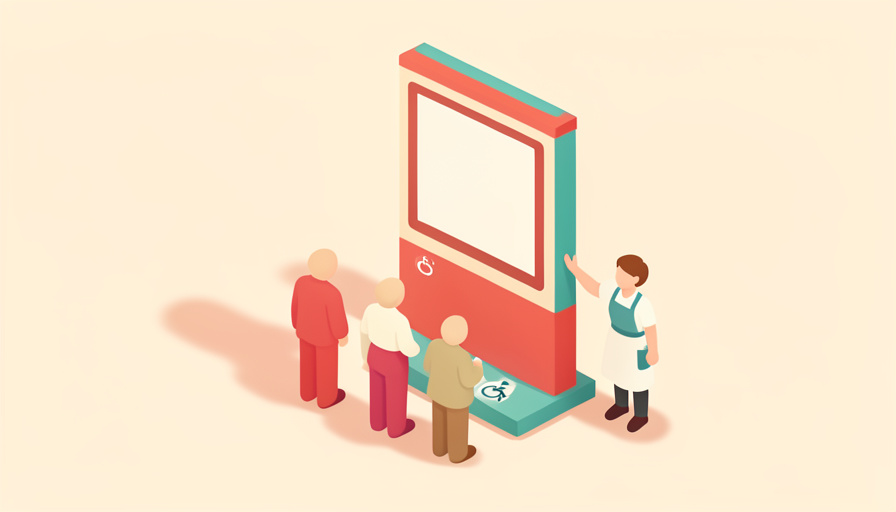

The screen was supposed to make ordering effortless. For a lot of people, it just moved the friction from the counter to their fingertips.
The fast food counter staff return kiosks trend is easy to read as a business story, but for anyone ordering lunch it is really a customer-experience one: what actually changes when you walk in to order? The honest answer is mixed. Kiosks solved some real annoyances and created new ones, and the human staff quietly coming back are there partly to smooth the rough edges. Here is what you tend to notice at the register now, from accessibility to hygiene to those awkward tip prompts.
Short Answer
- Kiosks are staying, but chains are adding staff back to help people use them, so you should see a human option more often again.
- The upsides customers report are fewer misheard orders and no pressure to decide fast; the downsides are accessibility gaps, hygiene worries, and clunky screens.
- The tip prompt on a self-service order remains the single most irritating change for many people.
Table of Contents
What Customers Actually Like
It is worth starting with the wins, because the backlash can drown them out. A kiosk does not mishear you. If you want no onions and extra pickles, you tap it, and the order arrives the way you built it. There is also no social pressure to hurry, no cashier waiting while you scan the menu, and no ambiguity about the price before you pay.
That is a genuine experience upgrade for a lot of people, especially anyone who finds ordering out loud stressful or who customizes heavily. Industry surveys put the share of customers who prefer self-service on the majority side, and whatever the exact figure, the preference is real for a meaningful slice of the line.
Where the Experience Breaks Down
Now the friction, because there is plenty. Three complaints show up again and again, and they are not the same complaint.
The first is accessibility. A touchscreen is a wall for some customers, not a convenience. Poorly placed screens, tiny targets, and a lack of audio output can shut out people with visual or motor disabilities, which is why restaurants have to meet accessibility rules for self-service tech. Good setups follow guidance like reachable control heights and screen audio, and the ones that ignore it are both frustrating and a legal risk.
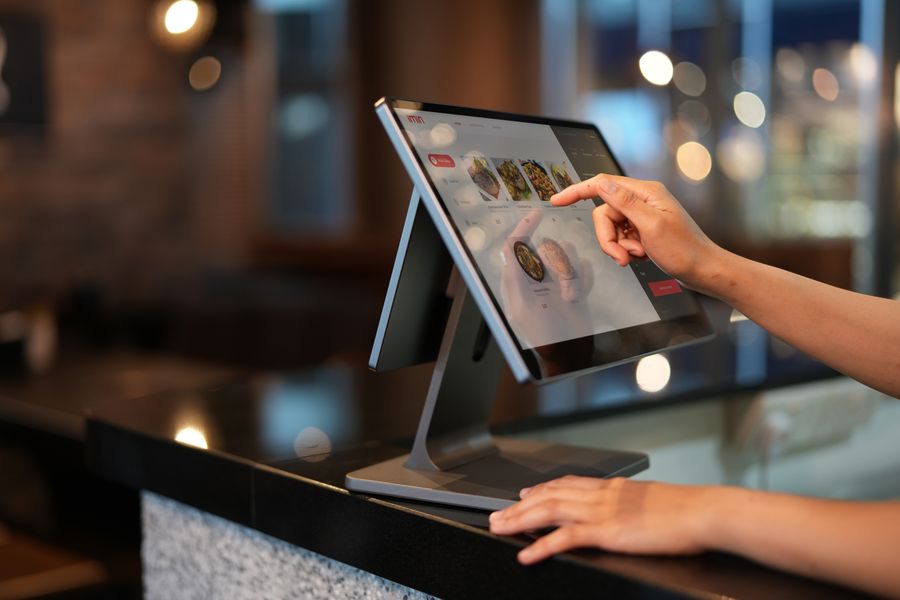
The second is hygiene. A shared touchscreen that hundreds of hands tap all day strikes many people as, in the blunt words of one popular forum thread, simply nasty. The third is the interface itself. Plenty of customers find the ordering flow slow or confusing, to the point that a common request to chains is an optional faster path for people who already know what they want.
The Tip Prompt Everyone Mentions
If one change unites the complaints, it is being asked to tip on a screen after doing the ordering yourself. It feels off, and people say so loudly. The awkwardness went mainstream when a viral clip showed a customer arguing the price seemed to shift around a tipping prompt, which the chain disputed. Whatever the mechanics of that one case, the reaction revealed the mood: a lot of customers see a self-service tip request as asking for a gratuity on work they just did.
Why Staff Coming Back Helps
Here is where the counter-staff return connects to your actual visit. The human being reappearing near the kiosks is often there to solve exactly these problems. They help a customer who is stuck, offer a hand to someone who cannot use the screen, take an order for a person who would rather talk to a human, and keep the line from stalling.
Actually, that reframes the whole trend from a customer’s seat. The rebalancing is less about undoing technology and more about putting a person back where the technology fails. If your last visit felt cold and confusing, the version being rolled out is trying to answer that specific feeling.
| What customers notice | What is changing |
|---|---|
| No human option, all registers closed | Staff returning so a counter option exists again |
| Older or disabled customers shut out | Accessibility rules and staff help gaining attention |
| Shared touchscreens feel unhygienic | A human alternative for those who want it |
| Awkward tip prompts on self-service | Ongoing backlash pushing chains to reconsider |
This article is general information about consumer trends, not business or financial advice. Store setups, policies, and technology vary by chain and location and change over time, so treat these as broad patterns rather than a guide to any specific restaurant.
At a Glance
- Kiosks reduce misheard orders and pressure, which many customers genuinely prefer.
- They also create accessibility barriers, hygiene worries, and clunky ordering for others.
- The self-service tip prompt is the most widely disliked single change.
- Returning staff are meant to help at the kiosks and restore a human option.
Frequently Asked Questions
Are fast-food kiosks going away?
No. Kiosks are still widespread and growing, and most large chains keep them. What is changing is that staff are returning alongside the machines to help customers and restore a human ordering option, rather than the screens replacing people entirely.
Why do some customers dislike kiosks?
Common reasons include accessibility barriers for older or disabled customers, hygiene worries about shared touchscreens, ordering flows that feel slow or confusing, and being pushed to tip on a self-service order. Preferences are genuinely split rather than universally negative.
Do kiosks have to be accessible?
Yes. Self-service kiosks are expected to meet accessibility requirements, including reachable control heights, adequate wheelchair clearance, and audio support for people who cannot use a touchscreen visually. Setups that fail these standards frustrate customers and expose operators to legal risk.
Why am I asked to tip at a kiosk?
Kiosk software increasingly adds tipping prompts to self-service orders, which many customers find odd for a transaction they completed themselves. The backlash has been loud, and it is one of the changes pushing chains to rethink how they use the screens.
Will I be able to order from a person again?
Increasingly, yes. As chains add counter staff back, more locations offer a human option or a worker stationed to help at the kiosks. The trend is toward giving customers a choice rather than forcing everyone onto a screen.
Closing Thoughts
The most useful way to read the kiosk era from a customer’s side is that it was never all good or all bad, and the correction underway is aimed at the bad parts. For the wider picture, see our pieces on why chains are adding cashiers back and the economics behind the shift, and browse Wayodd’s Business & Finance section. Next visit, notice whether a human is standing near the screens. That small change is the whole trend, shrunk to the size of your order.



























No Comments
Leave a comment Cancel